
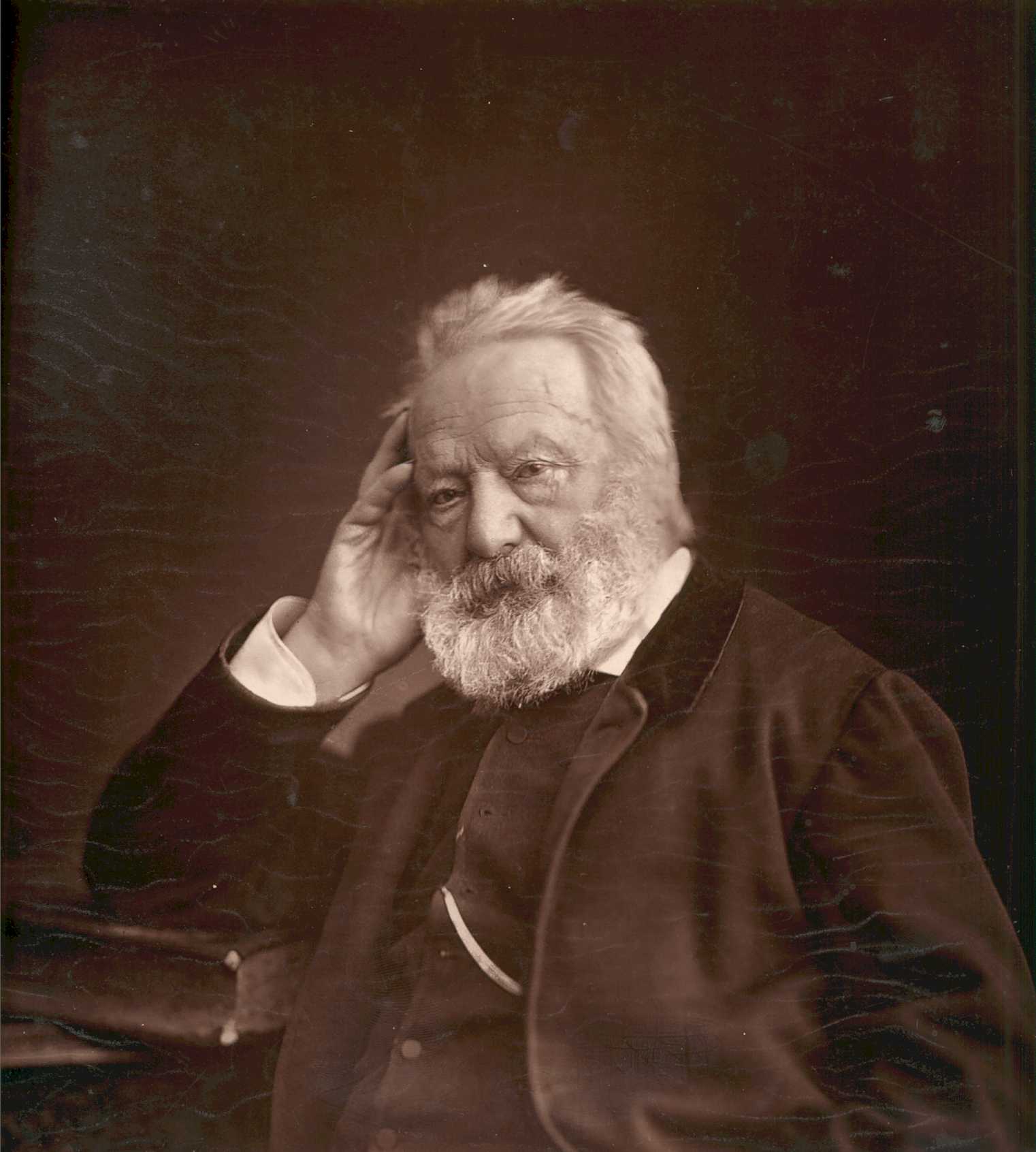
1802 – French author Victor Hugo (Les Miserables) was born.
1829 – Levi Strauss, creator of blue jeans, was born Loeb Strauss in Buttenheim, Germany.
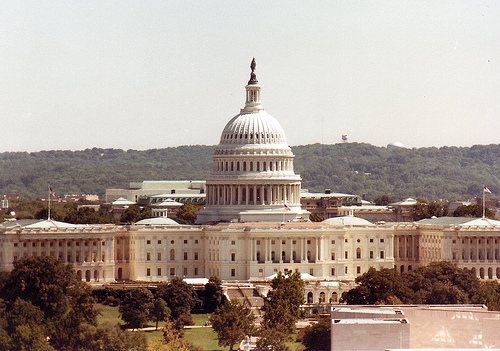
1907 – Members of the U.S. Congress raised their own annual pay to $7,500 each. Both House and Senate members got the same salary, while Cabinet members and the Vice President would earn $12,000.
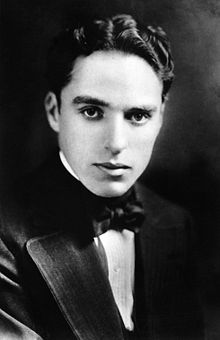
1916 – Mutual signed Charlie Chaplin to a film contract. Three years later, the ‘old’ Charlie Chaplin films were released and became very successful at the box office.
1919 – Congress established the Grand Canyon as a National Park. The gigantic gorge that cuts through the high plateaus of the northwest corner of Arizona is split by the Colorado River; covers 1,218,375 acres; measures 18 miles across and over two hundred miles long; and is a mile from its rim to the Colorado.

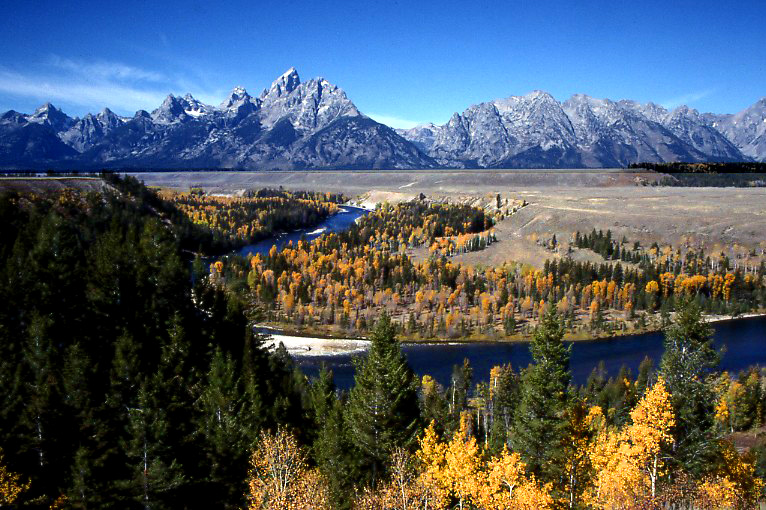
1929 – Congress established the Grand Teton National Park in Wyoming, covering approximately 310,000 acres, or 485 square miles.
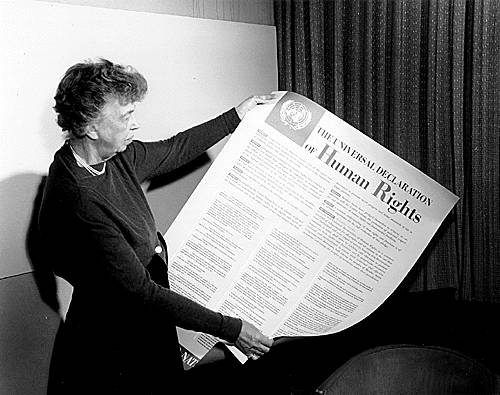
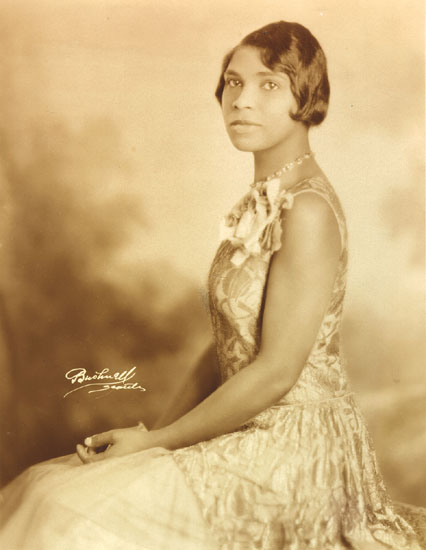
1939 – First Lady Eleanor Roosevelt resigned from the Daughters of the American Revolution after the group refused to allow African American opera singer Marian Anderson to perform at Washington, D.C.’s Constitution Hall.
1942 – The Academy of Motion Picture Arts & Sciences held its 14th annual Academy Awards at Hollywood’s Biltmore Hotel where, via radio, President Franklin D. Roosevelt thanked the film industry for its WWII defense preparedness work. For the first time the Oscars were presented in sealed envelopes.
1951 – Minnesota became the 36th state to ratify the 22nd Amendment to the U.S. Constitution, which limited a U.S. president to two terms in office.
1972 – A damn in Logan County, WV collapsed, killing 118 and leaving another 4,000 homeless.
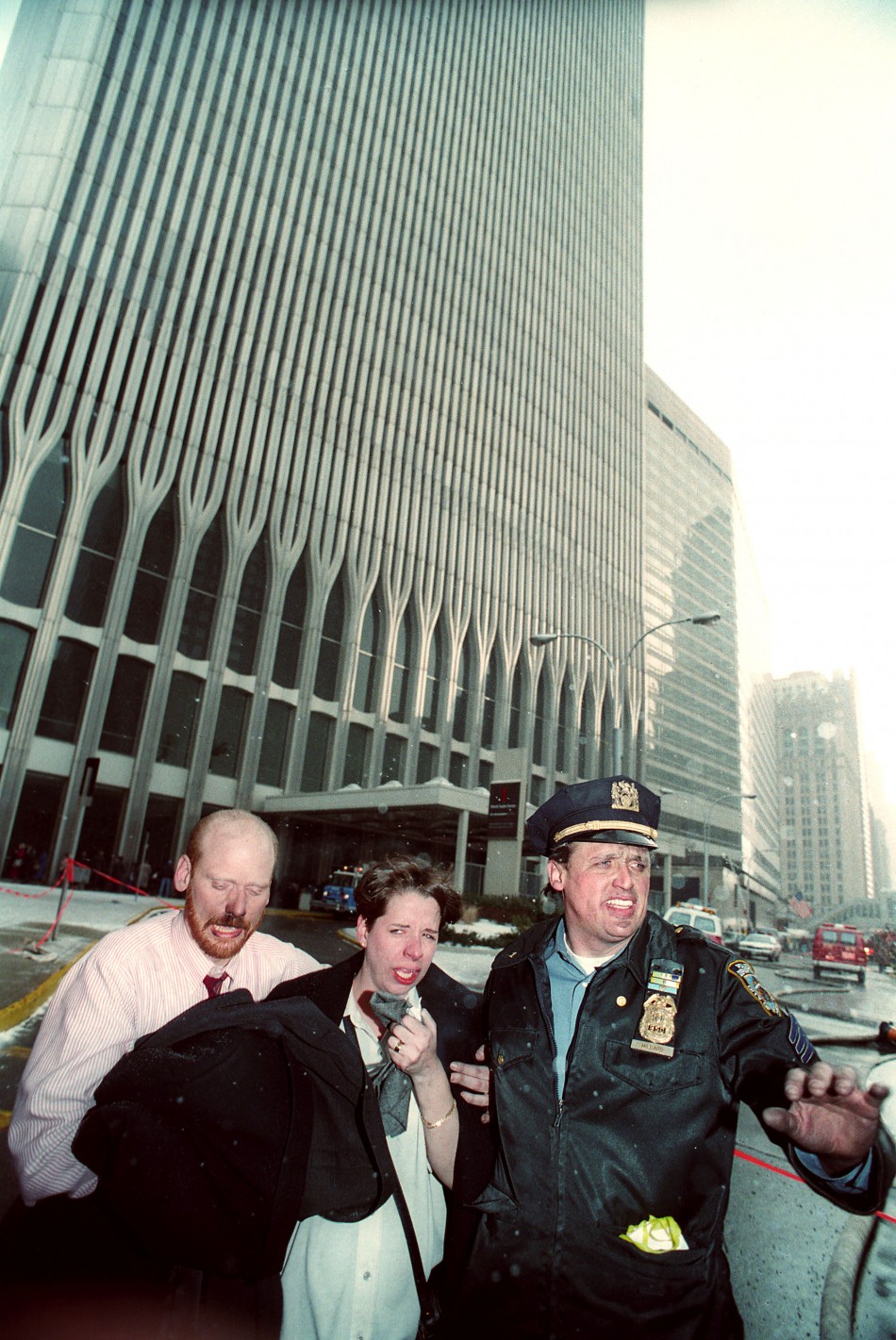
1993 – In a precursor to the terrorist attacks of September 11, 2001, a van packed with a 1,210-pound bomb exploded in the parking garage underneath the World Trade Center’s North Tower. The explosion killed 6 people and injured more than 1,000.
 Chief Writing Wolf