
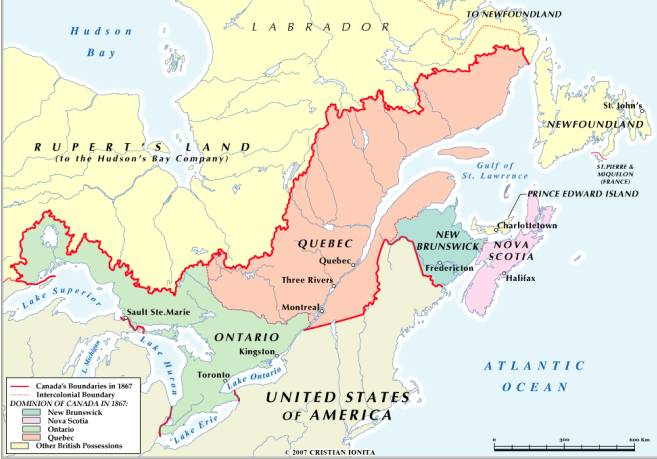
1867 – The autonomous Dominion of Canada, a confederation of Nova Scotia, New Brunswick, and the future provinces of Ontario and Quebec, is officially recognized by Great Britain with the passage of the British North America Act.
1874 – The first zoo in the United States opened in Philadelphia, PA.
1897 – Three years after the first issue of Billboard Advertising was published, the publication was renamed, The Billboard. The monthly magazine became a weekly many years later.
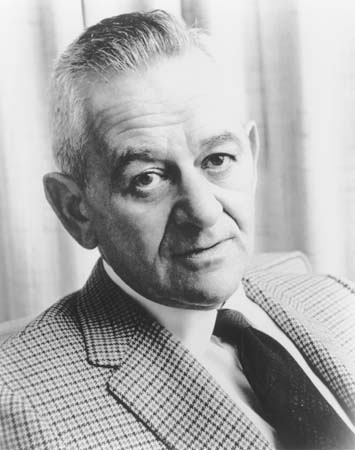
1902 – Movie director William Wyler (Funny Girl, Ben Hur, The Big Country, Friendly Persuasion, Roman Holiday, Carrie, Wuthering Heights) was born in Mulhouse, Germany.
1934 – The Federal Communications Commission, as mandated in the Communications Act of 1934, replaced the Federal Radio Commission as the regulator of broadcasting in the United States.
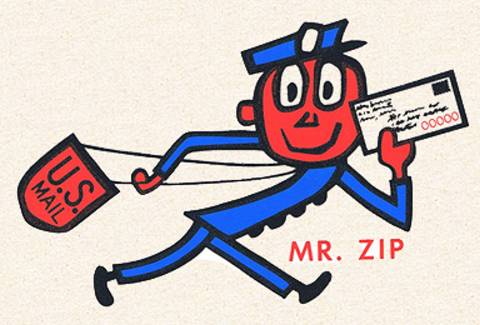
1963 – The Mr. Zip figure was introduced to represent the U.S. Post Office and to help educate people to use the 5-digit ZIP (Zone Improvement Program) code.
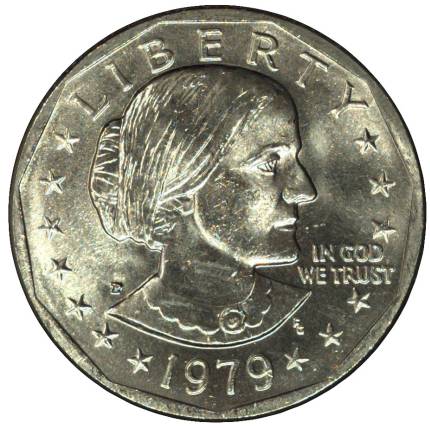
1979 – Susan B. Anthony, a 19th century women’s rights activist, was commemorated on a U.S. coin, the Susan B. Anthony Dollar. The coin, roughly the size of a quarter, was confused by many with the quarter and the U.S. Treasury Department eventually stopped producing the Susan B. Anthony dollar.
1981 – In CBS, Inc. v. The Federal Communications Commission, the U.S. Supreme Court ruled that candidates for federal office had an “affirmative right” to go on national television. The ruling limited a TV network’s right to determine when political campaigns begin and who may buy time.
1997 – Hong Kong reverted back to Chinese rule, after 156 years as a territory of Great Britain.
 Chief Writing Wolf