Category Archives: History

On February 27…

1700 – English explorer William Dampier discovered the island of New Britain, the largest island in the Bismarck Archipelago and part of New Guinea.

1807 – Poet Henry Wadsworth Longfellow (Paul Revere’s Ride, The Song of Hiawatha) was born in Portland, ME.


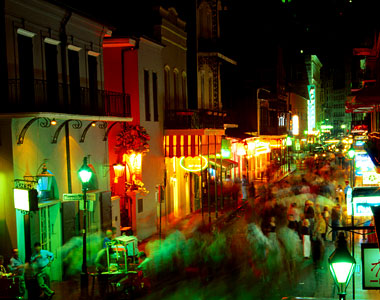
1827 – A group of masked and costumed revelers took to the streets of New Orleans in the first celebration of the city’s infamous Mardi Gras.
 

1867 – Dr. William G. Bonwill of Philadelphia, PA received a patent for the dental mallet; an idea he developed after watching a telegraph key sounder operate in a Philadelphia hotel. 

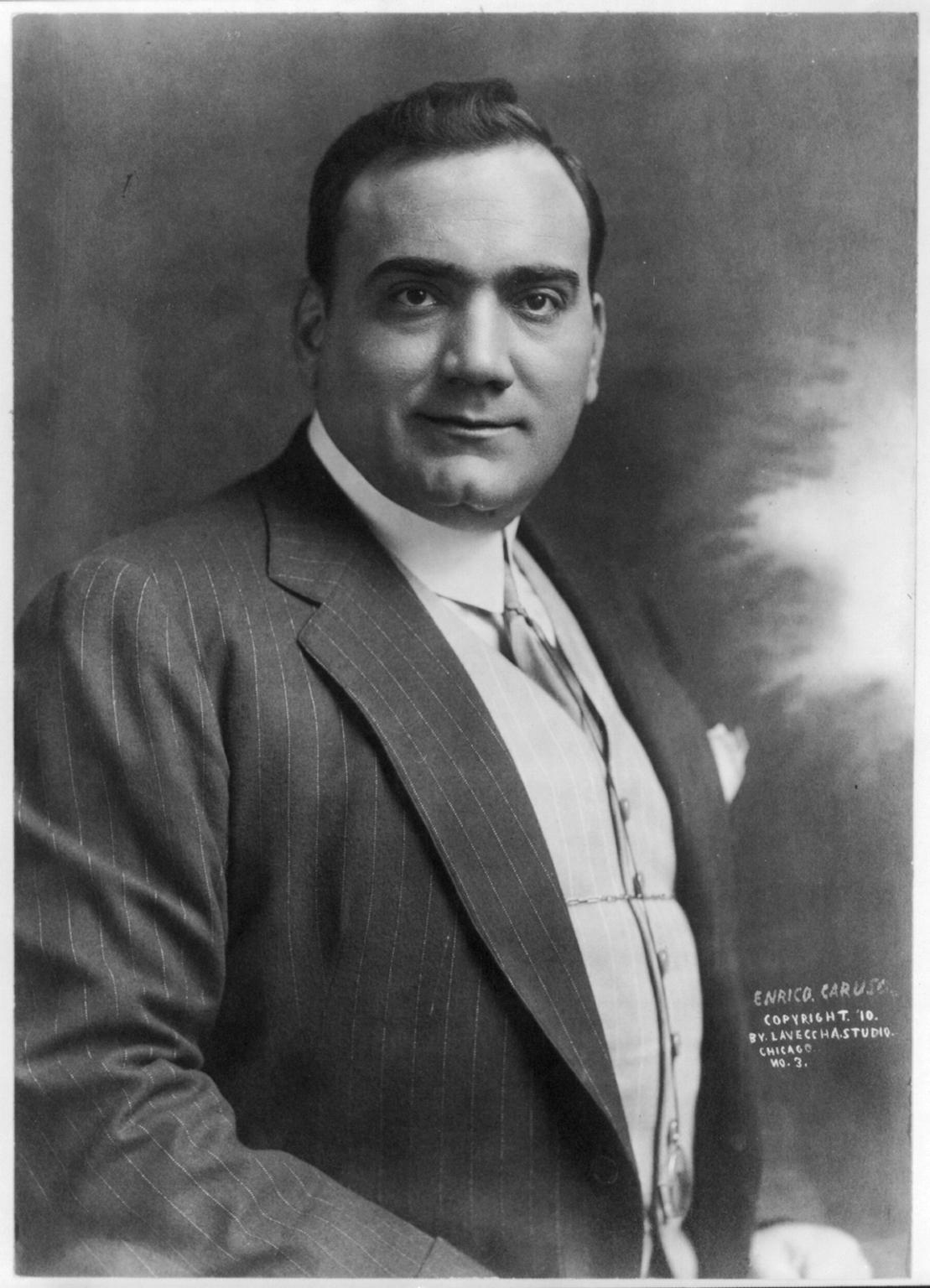
1873 – Opera tenor Enrico Caruso was born in Naples, Italy.

1883 – Oscar Hammerstein I of New York City patented the first practical cigar-rolling machine.

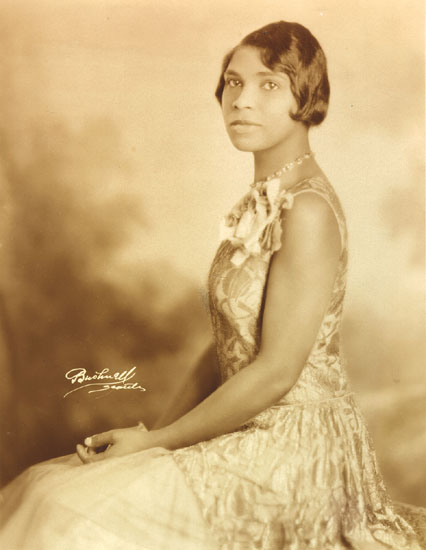
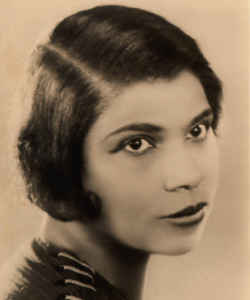
1897 – Opera singer Marian Anderson was born in Philadelphia.
 

1908 – Star #46 was added to the U.S. flag – for Oklahoma, which had entered the union on November 16, 1907.

1922 – Commerce Secretary Herbert Hoover convened the first National Radio Conference in Washington, D.C.

1922 – Eight members of the U.S. Supreme Court unanimously declared constitutional the 19th Amendment, which gave women the right to vote.


1943 – A mine explosion at the Montana Coal and Iron Company in Bear Creek, MT killed 74 men.

1955 – Billboard announced that seven-inch, 45-rpm singles were outselling 78-rpm singles for the first time in the U.S.

1963 – Mickey Mantle of the New York Yankees signed a baseball contract worth $100,000, making him the sport’s highest paid player.

1964 – The Italian government announced that it would accept suggestions on how to save the Leaning Tower of Pisa from collapsing.


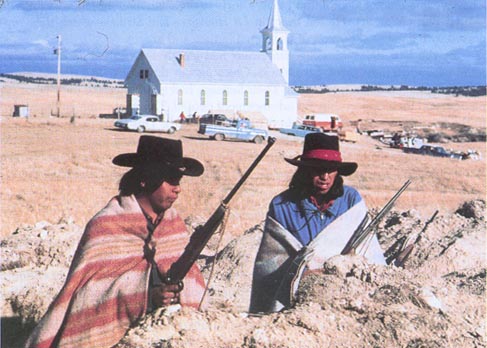
1973 – Members of the American Indian Movement (AIM) and a number of other local and traditional Native Americans began a 72-day occupation of Wounded Knee, South Dakota – the site of the 1890 massacre of Sioux men, women and children – to protest injustices against their tribes, violations of the many treaties, and abuses and repression of their people.  The U.S. responded with a military-style assault against the protesters.
 

1974 – Time-Life (now Time-Warner) first published People magazine.  It had an initial run of one million copies and became the most successful celebrity weekly magazine ever published.

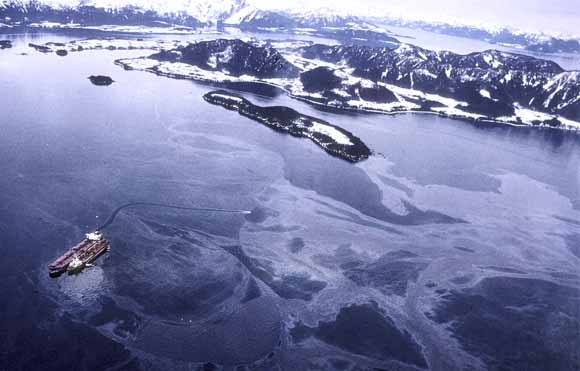
1990 – The Exxon Corporation and Exxon Shipping were indicted on five criminal counts relating to the 1989 Exxon Valdez oil spill, which had polluted Alaska’s Prince William Sound area in the Gulf of Alaska.
 

1991 – At 9 p.m. (EST), U.S. President George Bush said, “Kuwait is liberated.  Iraq’s army is defeated.  I am pleased to announce that at midnight tonight, exactly 100 hours since ground operations began and six weeks since the start of Operation Desert Storm, all United States and coalition forces will suspend offensive combat operations.”
 

Leave a comment

Filed under History

On February 26…

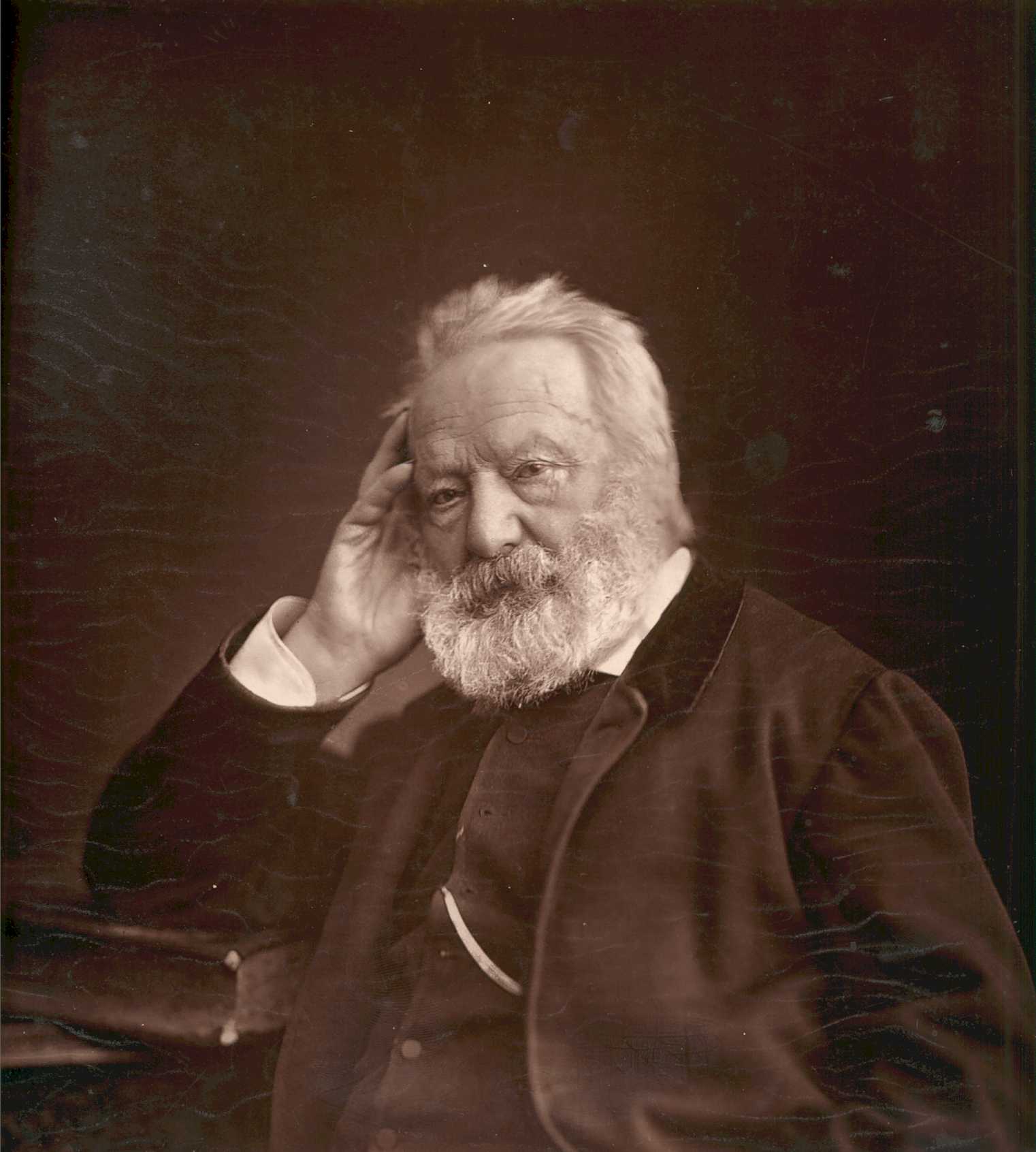
1802 – French author Victor Hugo (Les Miserables) was born.


1829 – Levi Strauss, creator of blue jeans, was born Loeb Strauss in Buttenheim, Germany. 

1907 – Members of the U.S. Congress raised their own annual pay to $7,500 each.  Both House and Senate members got the same salary, while Cabinet members and the Vice President would earn $12,000.


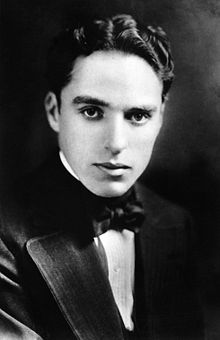
1916 – Mutual signed Charlie Chaplin to a film contract.  Three years later, the ‘old’ Charlie Chaplin films were released and became very successful at the box office.


1919 – Congress established the Grand Canyon as a National Park.  The gigantic gorge that cuts through the high plateaus of the northwest corner of Arizona is split by the Colorado River; covers 1,218,375 acres; measures 18 miles across and over two hundred miles long; and is a mile from its rim to the Colorado.


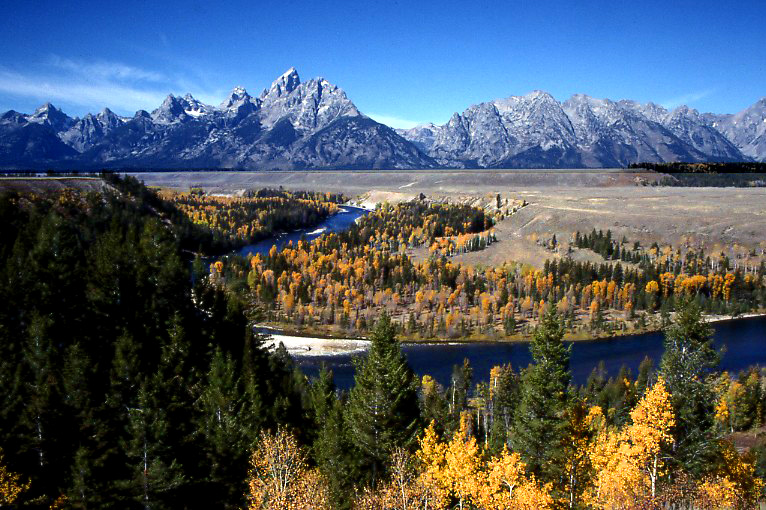
1929 – Congress established the Grand Teton National Park in Wyoming, covering approximately 310,000 acres, or 485 square miles.


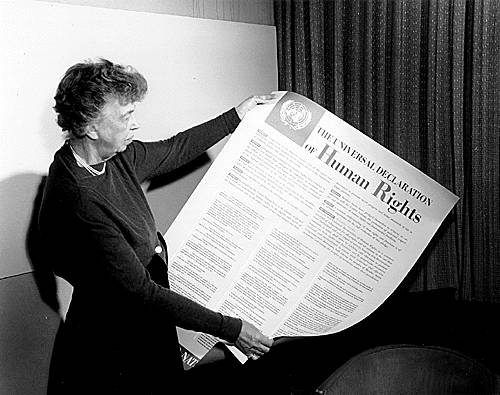
1939 – First Lady Eleanor Roosevelt resigned from the Daughters of the American Revolution after the group refused to allow African American opera singer Marian Anderson to perform at Washington, D.C.’s Constitution Hall.


1942 – The Academy of Motion Picture Arts & Sciences held its 14th annual Academy Awards at Hollywood’s Biltmore Hotel where, via radio, President Franklin D. Roosevelt thanked the film industry for its WWII defense preparedness work.  For the first time the Oscars were presented in sealed envelopes.

1951 – Minnesota became the 36th state to ratify the 22nd Amendment to the U.S. Constitution, which limited a U.S. president to two terms in office.

1972 – A damn in Logan County, WV collapsed, killing 118 and leaving another 4,000 homeless.

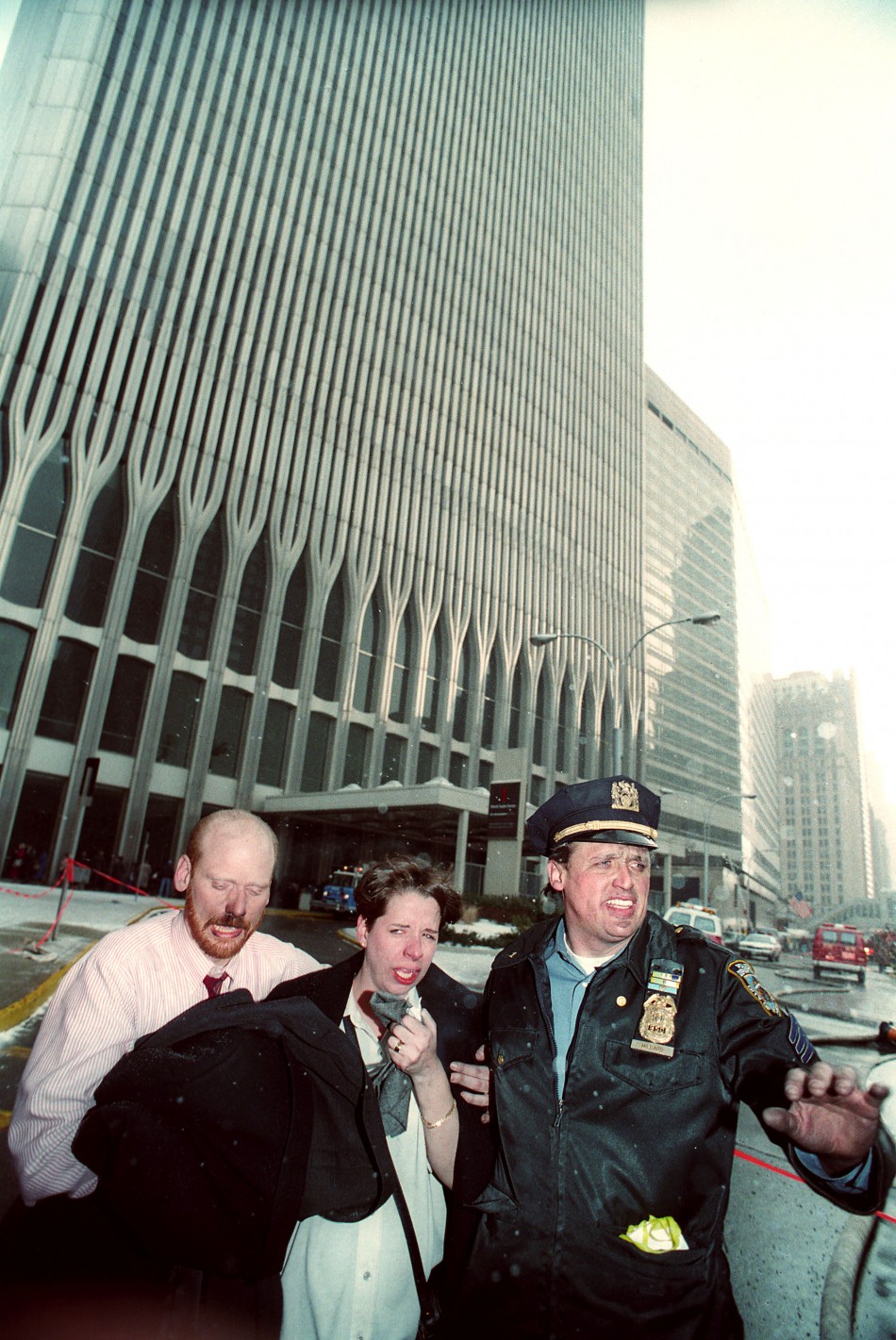
1993 – In a precursor to the terrorist attacks of September 11, 2001, a van packed with a 1,210-pound bomb exploded in the parking garage underneath the World Trade Center’s North Tower.  The explosion killed 6 people and injured more than 1,000.


Leave a comment

Filed under History

On February 25…

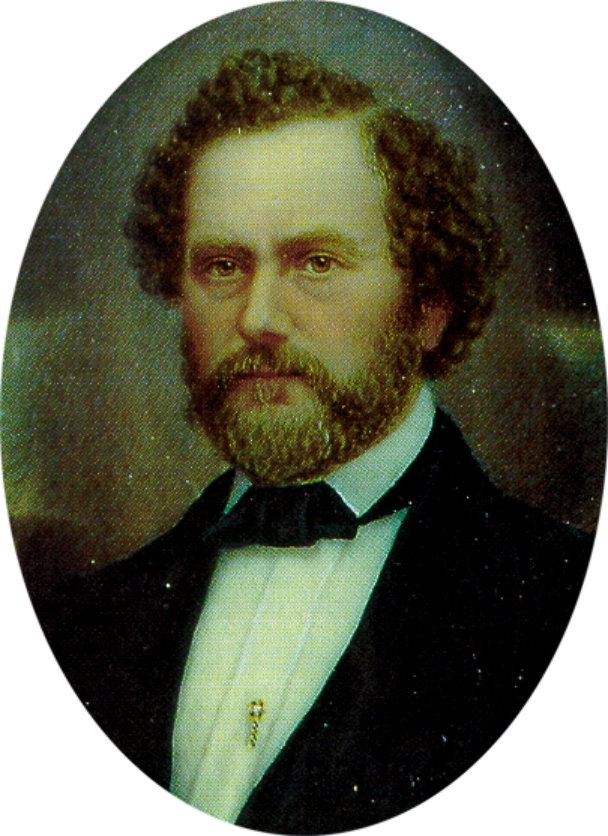
1836 – Samuel Colt received a patent for a pistol that used a revolving cylinder containing powder and bullets in six individual tubes.

1862 – The U.S. Congress passed the Legal Tender Act authorizing the use of paper notes to pay the government’s bills.  This ended the policy of using only gold or silver for transactions. 

1870 – Hiram Rhoades Revels, a Republican from Natchez, MS, became the first African-American to be sworn into Congress.

1873 – Enrico Caruso, one of the world’s greatest operatic tenors, was born in Naples, Italy.


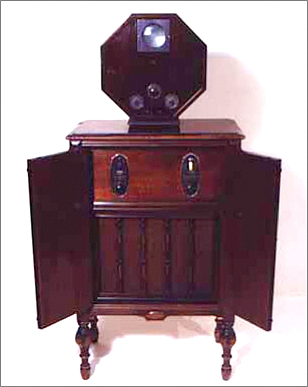
1928 – The Federal Radio Commission issued the first U.S. television license to Charles Jenkins Laboratories in Washington, D.C.


1940 – The first televised hockey game was broadcast.  The New York Rangers whipped the Montreal Canadiens at Madison Square Garden on W2XBS-TV in New York City, 6-2.

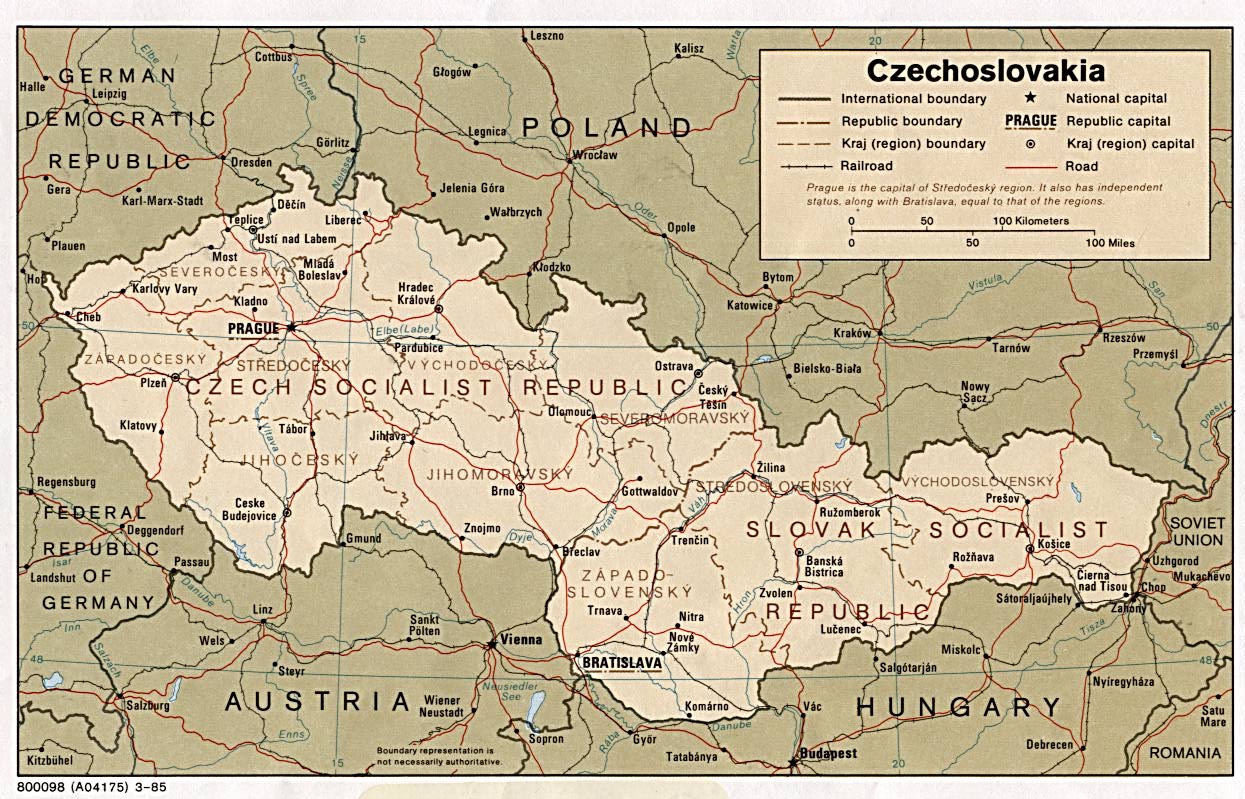
1948 – A communist government takes power in Czechoslovakia.


1964 – Twenty-two-year old Cassius Clay won the world heavyweight boxing title by defeating Sonny Liston in the seventh round in Miami, FL. Clay had been an 8-1 underdog.  Clay later changed his name to Muhammed Ali.


1972 – Germany gave in to ransom demands from the Arab terrorist hijackers of a jumbo jet and paid $5 million for the release of its passengers.

1984 – More than 500 people, mostly children, died in Cubatao, Brazil, about 30 miles south of Sao Paulo, when a gas line exploded.


1986 – Philippine dictator Ferdinand Marcos fled to the U.S. after an uprising.  His wife, Imelda, came with him, but she had to leave her massive shoe collection behind, which was sold to pay off the Philippine national debt.

Leave a comment

Filed under History

On February 24…

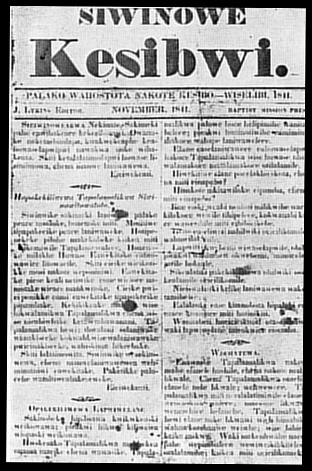
1835 – Siwinowe Kesibwi (The Shawnee Sun) was issued as the first Indian language monthly publication in the United States.


1839 – William S. Otis of Philadelphia, PA received a patent for the steam shovel.

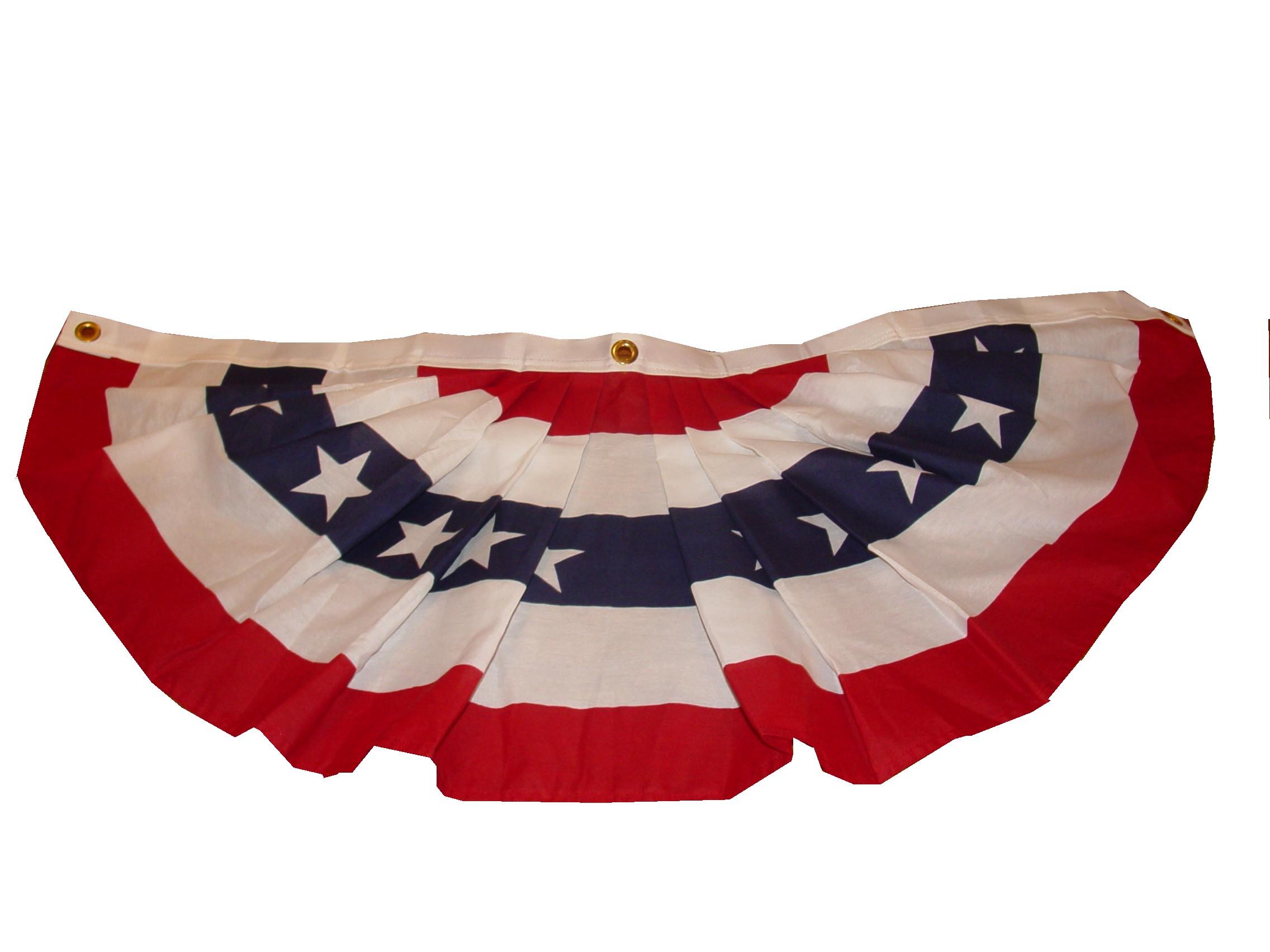
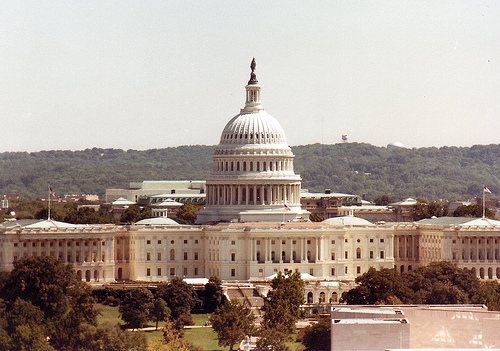
1866 – The Capitol in Washington, D.C., displayed an American flag made entirely of American bunting for the first time.


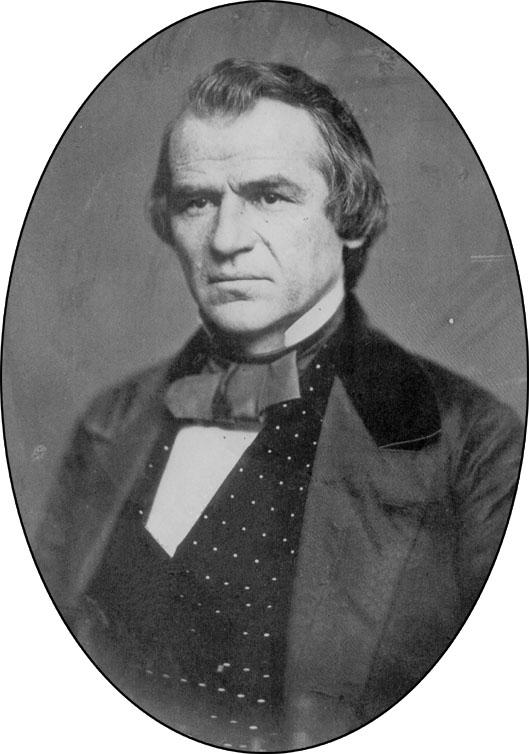
1868 – The U.S. House of Representative voted on 11 articles of impeachment against President Andrew Johnson.


1925 – A thermite reaction was used for the first time to break up an ice jam.  The 250,000-ton jam had clogged the St. Lawrence River near Waddington, NY.


1938 – The first nylon bristle toothbrush was made in Arlington, NJ. It was the first time that nylon yarn had been used commercially.

1945 – American forces liberated the Philippine capital, Manila, from the control of the Japanese empire in World War II.

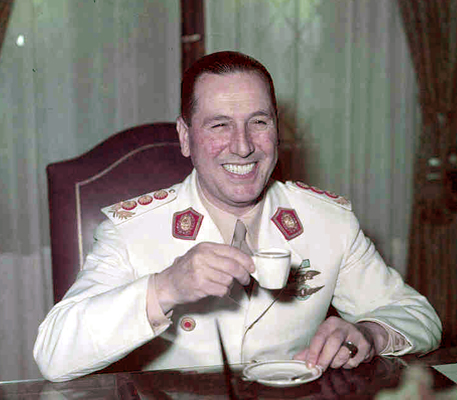
1946 – Juan Domingo Peron was elected president of Argentina.


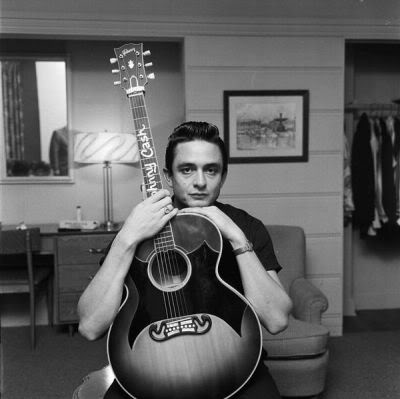
1969 – Johnny Cash recorded his second live prison performance; this one at San Quentin.  The previous year he’d held a concert at Folsom Prison.


1983 – The Dow Jones industrial average closed above the 1100 mark for the first time, ending at 1121.81.

1988 – In the case of Hustler Magazine v. Jerry Falwell, the U.S. Supreme Court overturned a $200,000 award that Rev. Jerry Falwell had won against Hustler magazine and its publisher Larry Flynt for printing a parody of Falwell’s first sexual experience.

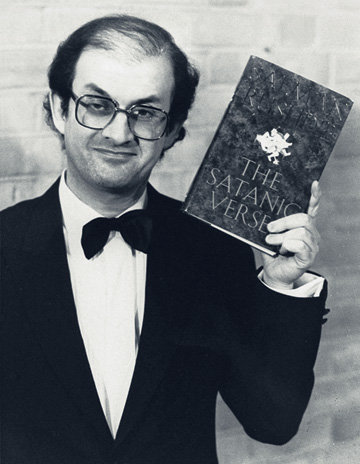
1989 – Angered by Salman Rushdie’s novel, The Satanic Verses, Iran’s Ayatollah Ruhollah Khomeini sentenced the author to death and offered a one to three-million-dollar bounty to anyone who killed him.


1996 – Cuba shot down two small planes operated by a Cuban-American group over the waters north of Havana.  The two planes with four people on board were twin-engine Cessna aircraft operated by the group ‘Brothers to the Rescue,’ a Miami-based group of Cuban exiles funded by private donations.

Leave a comment

Filed under History

On February 23…

1821 – The Philadelphia College of Apothecaries, the first pharmacy college in the U.S., was established.

1839 – William F. Harnden organized the nation’s first express mail service between Boston and New York City.


1886 – Charles M. Hall completed his invention of aluminum, using electricity.

1905 – The Rotary Club was founded in Chicago, IL by Attorney Paul Harris to advance goodwill and peace through the improvement of health, the support of education, and the alleviation of poverty.

1927 – U.S. President Calvin Coolidge signed a bill into law that created the Federal Radio Commission, “to bring order out of this terrible chaos,” an effort to regulate the nation’s radio stations.  The name was changed to the Federal Communications Commission (FCC) on July 1, 1934.

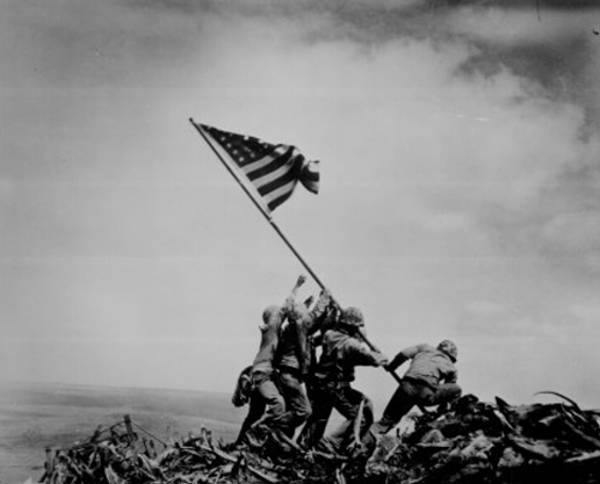
1945 – During the bloody Battle for Iwo Jima, U.S. Marines from the 3rd Platoon, E Company, 2nd Battalion, 28th Regiment of the 5th Division mounted the U.S. flag on the crest of Mount Suribachi, the island’s highest peak and most strategic position.  Marine photographer Louis Lowery was with them and recorded the event.  Joe Rosenthal, a photographer with the Associated Press, met them along the way and recorded the raising of the second flag along with a Marine still photographer and a motion-picture cameraman.


1974 – The Symbionese Liberation Army demanded $4 million more for the release of Patty Hearst.  Hearst had been kidnapped on February 4th and her father, publisher William Randolph Hearst, had already given up $2 million.  Randolph said he would consider this second request.

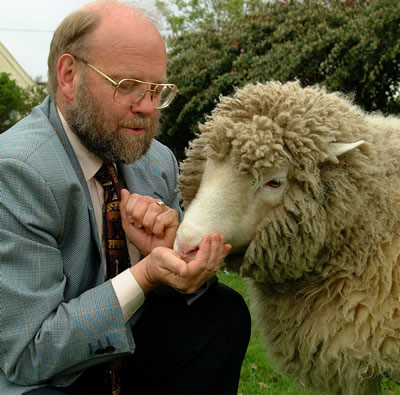
1997 – News broke that Dr. Ian Wilmut, of the Roslin Institute in Roslin, Scotland, had cloned an adult mammal in July of 1996 – a sheep named Dolly.


Leave a comment

Filed under History

On February 22…

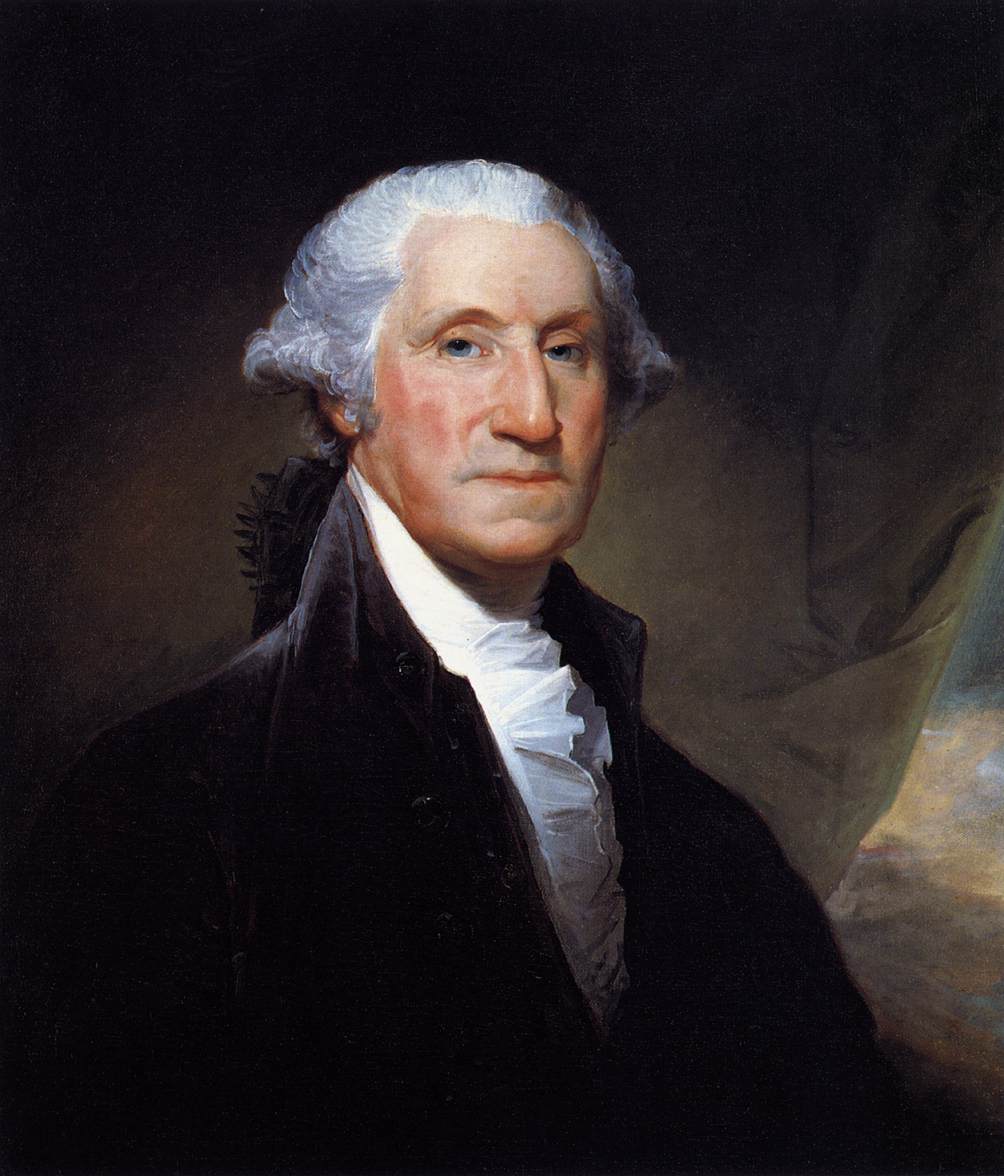
1732 – George Washington, the 1st President of the United State (1789 – 1797) was born.


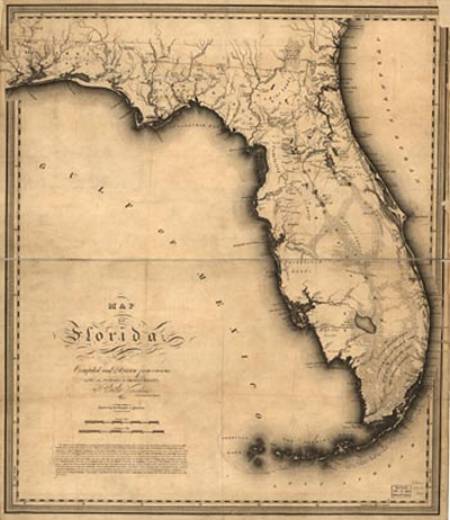
1819 – The United States acquired Florida from Spain under the Adams – Onís Treaty.


1879 – Frank W. Woolworth opened his first 5 and 10-cent store in Utica, NY.

1918 – The Montana legislature passed a Sedition Law in reaction to fears of treacherous German spies and domestic labor violence.  Three months later, the U.S. Congress adopted a federal Sedition Act modeled on the Montana law.

1919 – The first dog race track to use an imitation rabbit opened in Emeryville, CA.

1923 – The first successful chinchilla farm opened in Los Angeles, CA.

1954 – ABC radio’s popular Breakfast Club, program with longtime host, Don McNeill, was simulcast on TV beginning this day.  The telecast didn’t do well, but the radio program went on to break records as the longest-running program on the air.

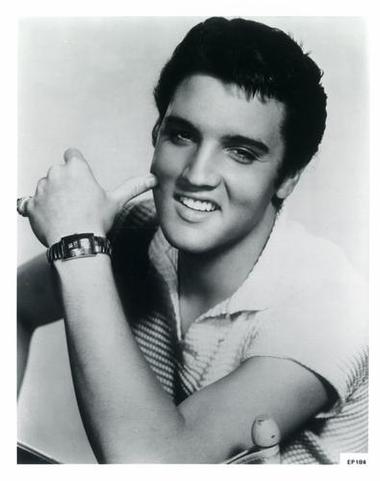
1956 – Elvis Presley entered the music charts for the first time, when Heartbreak Hotel began its climb to the number one spot on the pop listing, reaching the top on April 11, 1956.  It stayed at the top for eight weeks.


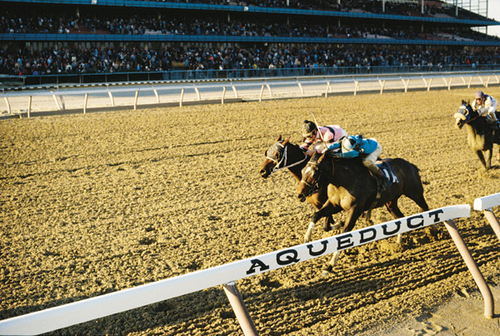
1969 – Barbara Jo Rubin became the first woman to win a U.S. thoroughbred horse race.  She was riding Cohesian at Charlestown Race Course in West Virginia.


1980 – The ‘Miracle on Ice’ occurred during the XIII Olympic Winter Games in Lake Placid, NY, when the U.S. defeated the Soviet Union in a dramatic 4-3 victory in men’s hockey.  The U.S. went on to defeat Finland, 4-2, two days later to win the gold medal.


Leave a comment

Filed under History

On February 21…

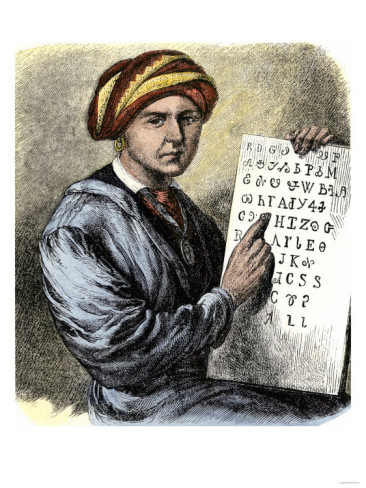
1828 – The first printing press designed to use the newly-implemented Cherokee alphabet arrived in New Echota, GA, to help the General Council of the Cherokee Nation produce its Cherokee-language newspaper.


1842 – John J. Greenough of Washington, DC patented the sewing machine on this day.

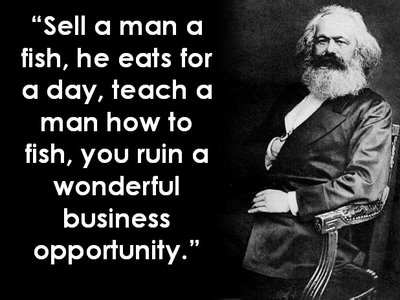
1848 – Karl Marx, with the assistance of Friedrich Engels, published The Communist Manifesto in London.


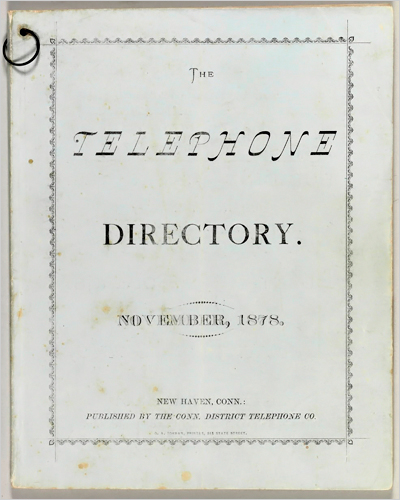
1878 – The first telephone directories issued in the U.S. were distributed to residents in New Haven, CT, with only 50 subscribers’ names were listed.


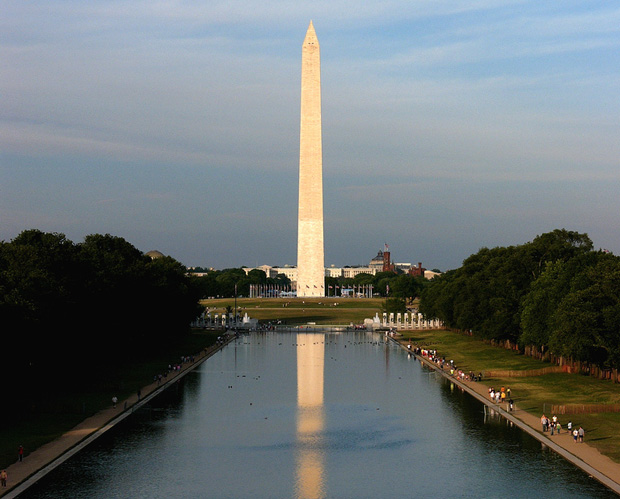
1885 – The Washington Monument, built in honor of the nation’s first president, was dedicated in Washington, D.C.


1925 – The first issue of The New Yorker was published.


1926 – Swedish actress Greta Garbo’s first U.S. film, The Torrent, opened.


1932 – William N. Goodwin of Newark, New Jersey patented the camera exposure meter.

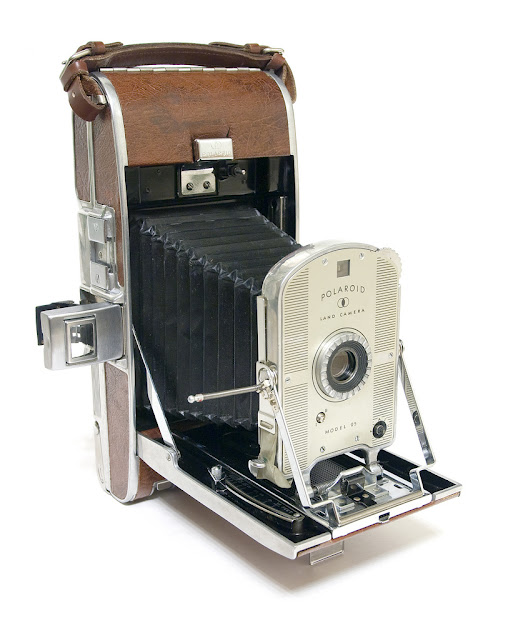
1947 – Edwin Land demonstrated the Polaroid Land Camera to the Optical Society of America in New York City.  It was the first camera to take, develop and print a picture on photo paper (in black and white back then) all in about a minute.


1948 – The National Association for Stock Racing (NASCAR) was officially incorporated.

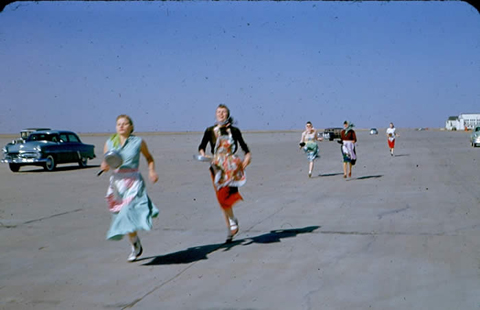
1950 – The first International Pancake Race was held in Liberal, Kansas.  The annual event, scheduled each year on Shrove Tuesday, pits the women of Liberal against the women of Olney, Bucks, England.


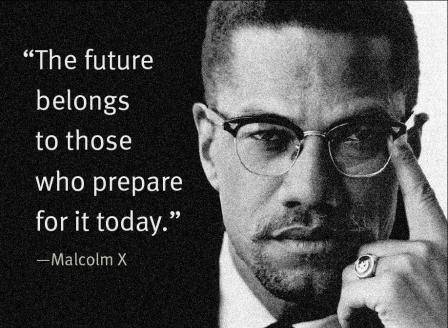
1965 – Black activist Malcolm X was shot by Black Muslim assassins as he was about to address a rally in New York.


1995 – Former Chicago stockbroker and U.S. balloonist Steve Fossett became the first person to fly solo across the Pacific Ocean in a balloon, landing in Leader, Saskatchewan, Canada.


Leave a comment

Filed under History

On February 20…

1725 – A group of White men in New Hampshire took 10 scalps from a band of encamped Native Americans in the first known appropriation by Europeans of the Indian practice.

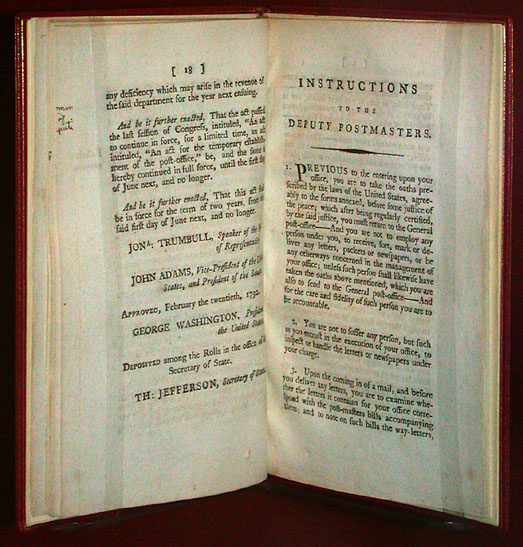
1792 – President George Washington signed the Postal Service Act.  Letters delivered up to 30 miles cost six cents to mail.  For letters up to 150 miles, postage was 12-1/2 cents.  And, just like today, letters over 150 miles were not guaranteed to be delivered at all.


1872 – Luther Crowell received a patent for a machine that manufactured paper bags.  Patent #123,811 allowed for the bags to have two longitudinal inward folds.

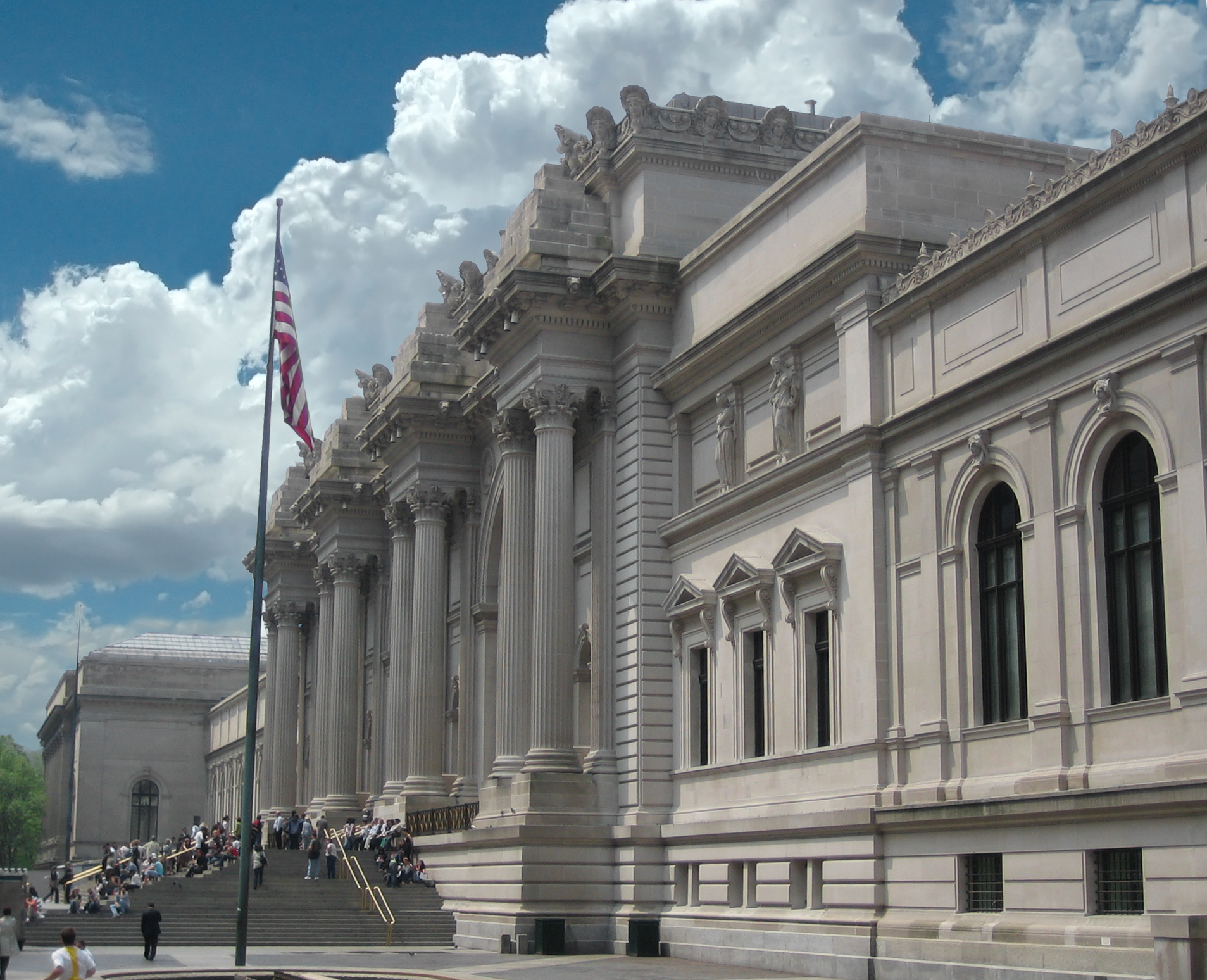
1872 – The Metropolitan Museum of Art opened in New York City.


1872 – Silas Noble and J.P. Cooley of Granville, MA patented the toothpick manufacturing machine.

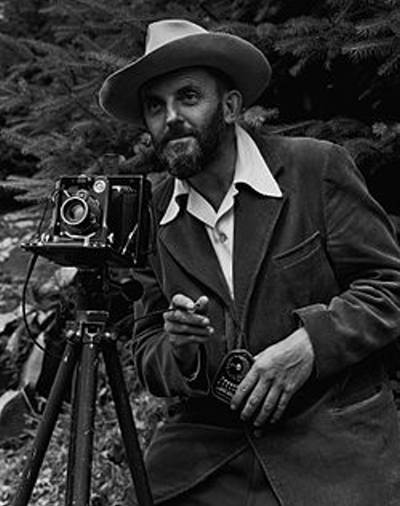
1902 – Famed photographer Ansel Adams was born in San Francisco.


1921 – The Four Horsemen of the Apocalypse, starring Rudolph Valentino, opened.


1951 – Emmett L. Ashford became the first black umpire in organized baseball.  He was authorized as a substitute in the Southwestern International League.

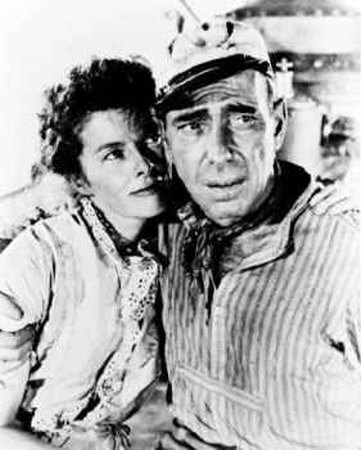
1952 – The African Queen, starring Katharine Hepburn and Humphrey Bogart, opened at the Capitol Theatre in New York City.


1962 – John Glenn became the first American to orbit the globe, when his space capsule Friendship 7 circled the planet three times in 4 hours, 55 minutes.

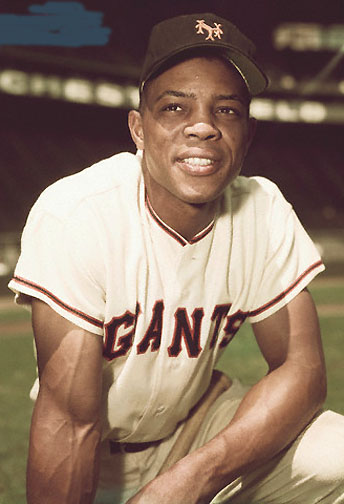
1963 – Baseball player Willie Mays signed with the San Francisco Giants as baseball’s highest-paid player, earning $100,000 a year.


1985 – In a highly controversial move defying the Roman Catholic Church, the government of Ireland approved the sale of contraceptives.

2003 – A fire at The Station nightclub in Warwick, RI resulted in the deaths of 100 people.  The fire started when foam packing around the stage ignited from sparks from pyrotechnic devices during a show by Great White.


Leave a comment

Filed under History

On February 19…

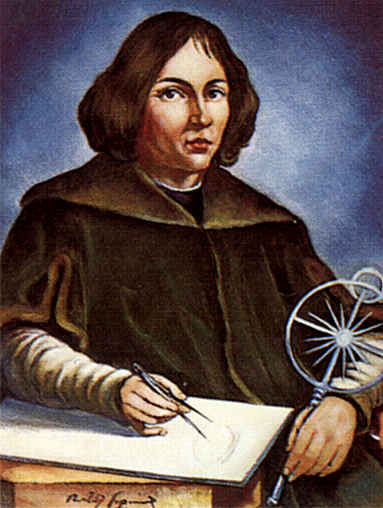
1473 – Astronomer Nicolaus Copernicus was born in Poland.

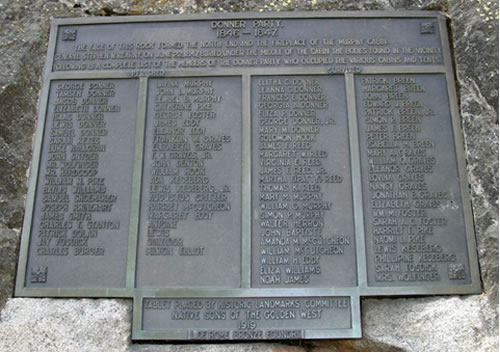
1847 – Rescuers reached surviving members of the Donner Party, a group of California-bound emigrants stranded by snow in the Sierra Nevada Mountains.

1856 – The tintype photographic process was patented by Professor Hamilton L. Smith of Gambier, OH.

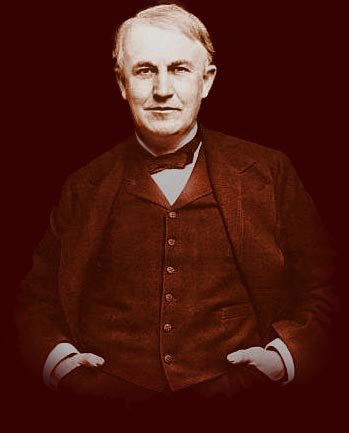
1878Thomas Alva Edison patented a music player (later known as the phonograph) at his laboratory in Menlo Park, NJ.

1985William Schroeder became the first artificial-heart patient to leave the confines of the hospital (where the historic operation was performed). He spent 15 minutes outside the Humana Hospital in Louisville, KY.

1985 – The Coca-Cola Company introduced Cherry Coke in New York City.

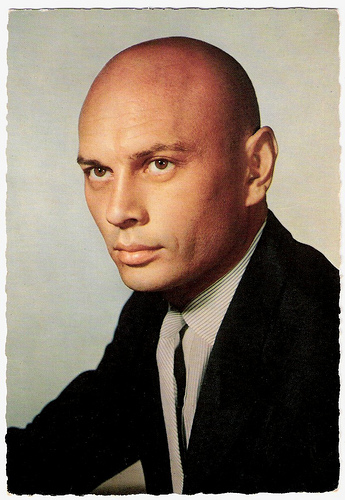
1987 – A controversial anti-smoking ad, featuring actor Yul Brynner, aired for the first time on television.  It was a public service announcement recorded shortly before his death from lung cancer in October 1985.

1997Deng Xiaoping, the last of China’s major Communist revolutionaries who had ruled China from 1978 until he retired in 1990, died at age 93.


Leave a comment

Filed under History

On February 18…

1735 – The first opera performed in America, known as either Flora or Hob in the Well, was presented in Charleston, SC.

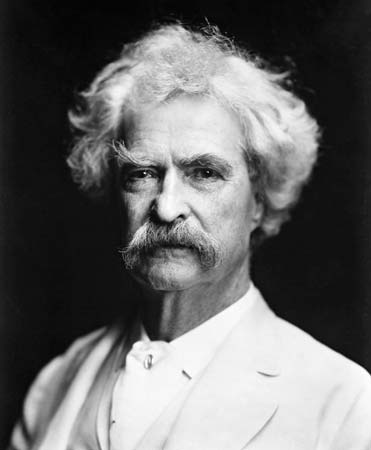
1885 – Mark Twain published The Adventures of Huckleberry Finn.

1908 – The U.S. Post Office issued postage stamps in coil form for the first time.

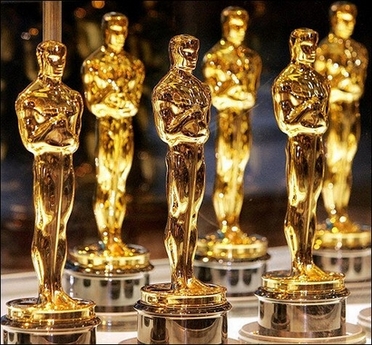
1929 – The Academy of Motion Arts and Sciences announced the winners of the first Academy Awards (later called the Oscars).

1930 – Astronomer Clyde W. Tombaugh discovered Pluto at the Lowell Observatory in Flagstaff, AZ.

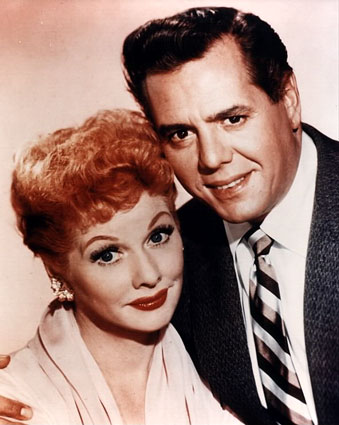
1953 – Lucille Ball and Desi Arnaz signed a contract worth $8,000,000 to continue the I Love Lucy TV show through 1955. The deal was the richest contract in television.

1960 – The VIIIth Winter Olympic Games opened in Squaw Valley, California.  A lack of snow had prompted organizers to hire Native Americans to do a snow dance, but a deluge of rain was the only result. Snow finally arrived just before the opening ceremonies, which had to be delayed to await the arrival of U.S. Vice-President Richard M. Nixon, who would declare the games open.  The storm had held up his flight.

1972 – In the case of California v. Anderson, the California Supreme Court declared the death penalty “unnecessary to any legitimate goal of the state and [is] incompatible with the dignity of man and the judicial process.”  With that 107 inmates were taken off death row, including Charles Manson, who had been convicted in the Tate – LaBianca murders, and Sirhan Sirhan, Robert F. Kennedy’s assassin.
 

Leave a comment

Filed under History