Category Archives: News

E-mail of the Day

“Fellow Conservative, With only a short time before the June 5th recall election, the mudslinging from the Left has begun.  Big-government union bosses and Washington insider special interests have started pouring money into Wisconsin in an attempt to push me out of office and reclaim their stranglehold on Wisconsin’s tax dollars.  A win on June 5th will be a referendum on those trying to stifle the voice of the people and hand power back to the big-government public union bosses that want nothing more than complete control of a state’s budget.  We must defeat this baseless recall.  We must defeat the liberal left that is trying to silence the majority of hard working taxpayers and further raid their wallets to keep their bloated bureaucracies afloat.” 

– Wisconsin Gov. Scott Walker in an email to supporters asking help to stop recall efforts.

Leave a comment

Filed under News

Second Quote of the Day

“He’s like a bad TV sitcom that’s just run too long.”

– Glenn Smith, a Democratic operative who was an adviser to Gov. Ann Richards, on the speculation that Gov. Rick Perry is laying the groundwork to run for another term as Texas governor.

Leave a comment

Filed under News

First Quote of the Day

“These principles represent a vow to the people of Texas, a pledge that each and every member of our Legislature – or anyone aspiring to become a member of our Legislature – should sign on to.”

– Gov. Rick Perry, announcing his no-new-taxes, limited-spending “Texas Budget Compact.”

Leave a comment

Filed under News

Why Clichés About Translations Hurt Books

Back in February, I wrote about the challenge of translating German-language literature into English.  There are a couple of reasons why foreign language literature has to be treated with caution: translating something doesn’t necessarily mean success in the receiving market, and not every colloquialism and verbal nuance translates perfectly.  It’s bad enough some Americans are too arrogant to even attempt to learn a foreign language, and that only about 3% of foreign language books are translated into English for their convenience.  But, there seems to be a general belief among average readers that a book translated into their native language must be worth the effort since it takes a great deal of time and energy to complete the translation.  Journalist Michael Stein dubs this “literary broccoli.”  Yes, broccoli may be good for you, but not everyone wants it, much less likes it.

Stein divides the clichés about translations into 2 groups:

1. It’s always good for you.

He mentions a debate that arose last year among New York Times film critics (so you know it was serious) about the “merits of watching long, self-styled art films.”  One critic supposedly affirmed that he was no longer willing to eat his “cultural vegetables.”  I feel this is in line with the claim by some that foreign-language or art house movies are always good because they have some underlying message of Earth-shattering significance.  The same, therefore, can be applied to literature.  As with cinema, why can’t we just read a book – even if it’s a translation – just for the fun of it?  Why does a warning for all humanity have to lie within its pages to be worth the time?  Surely, African and Latin American writers, for example, don’t all bemoan the plight of their respective war-torn nations and loathe their European colonial pasts.  Doesn’t Nigeria or Uruguay have a Maeve Binchy or Anne Rice in their midst?  Stein points to the works of William Shakespeare and how his dramas “take on the effect of tranquilizers in the mouths of uninspired high school teachers.”  I can vouch for that phenomenon. 

2. Reading a translated work is one way of experiencing another country.

This is like saying that watching a Mexican telenovela is the best way to learn all about México’s culture.  Stein highlights the late Swedish writer Stieg Larsson whose Millennium series have turned into literal blockbusters, both in book and movie form.  If you’ve visited Sweden, were you “attacked by rightwing lunatics and tortured?  Did you get caught up in tangled, historical conspiracies and eat immense amounts of fast food while sitting on IKEA furniture?”  If you did, then you have your own true-life story to tell and could become even more famous.  You can’t learn everything about another culture just by reading a travel brochure or watching the National Geographic Channel, although no one will blame you for trying.  Ernest Hemingway, for example, wrote about foreign places because he lived there and understood the local cultures.  That’s why writing instructors advise people to write only what they know.  Although California is on my list of places to visit before I die, and I have friends who live out there, I wouldn’t dare to write a novel based in the Golden State because I’m not personally familiar with it.  Don’t look at a novel as emblematic of the location where it takes place.  It’s one thing not to visit México because of U.S. State Department travel advisories.  It’s another not to visit because you learned everything about the place from watching “Born in East L.A.”

Reading a foreign novel is one way to become familiar with another culture, which in turn, is a good thing.  People – Americans in particular – need to realize there’s a whole wide world of extraordinary individuals out there.  We all can learn from meeting new people and experiencing different cultures.  Whether a novel is about internal political strife, or a wedding gone awry, I think we’ll all find that people across the globe have much in common.

Leave a comment

Filed under News

Cartoon of the Day

Leave a comment

Filed under News

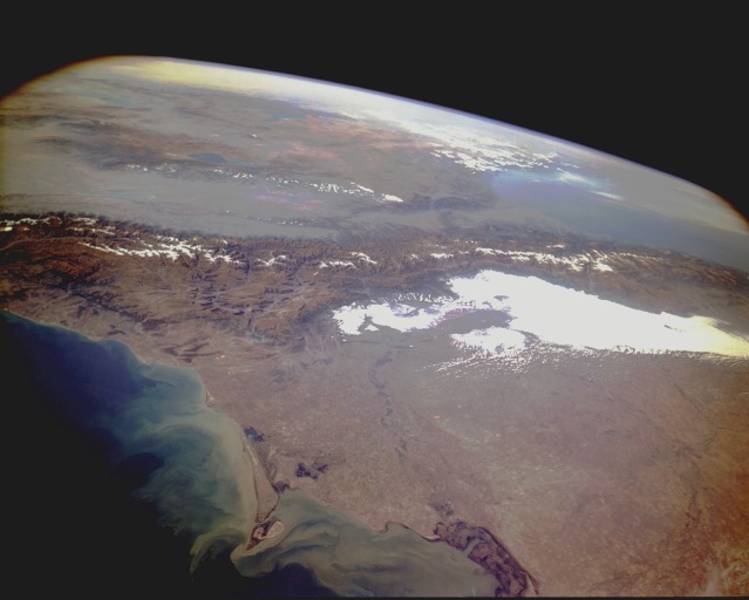
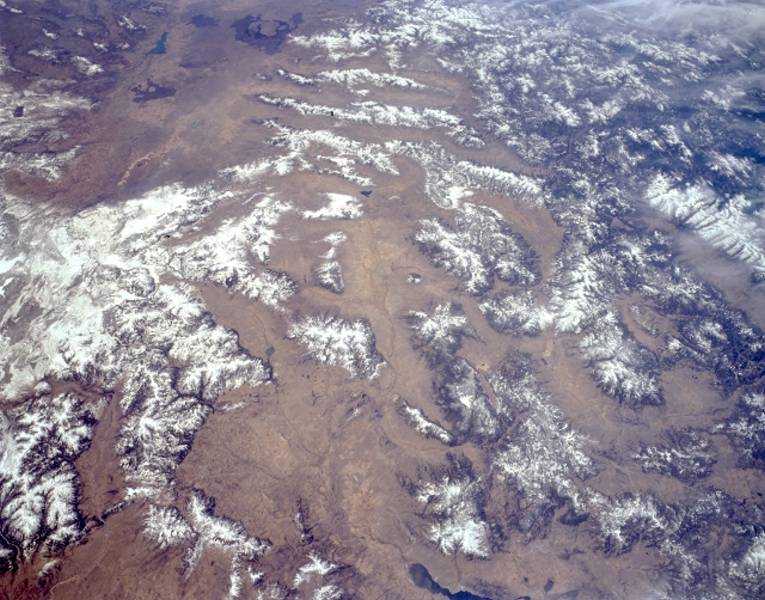
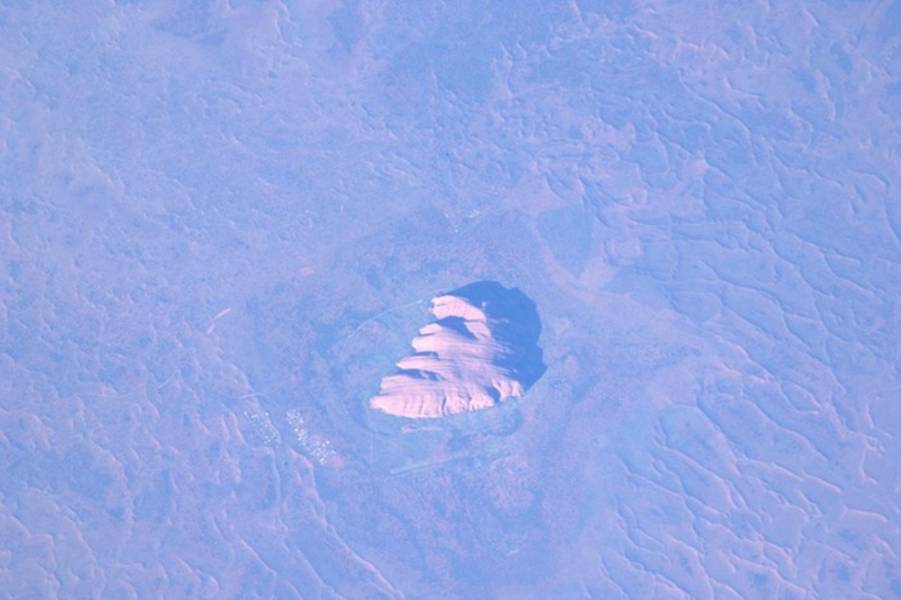
Earth Pictures

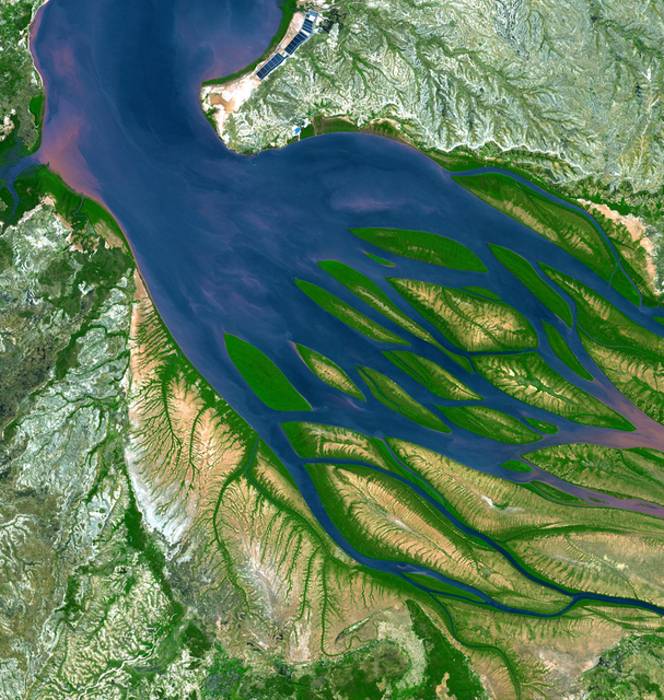
Bombetoka Bay – Madagascar

Andes Mountains

Atoll – Pacific Ocean

Bahamas

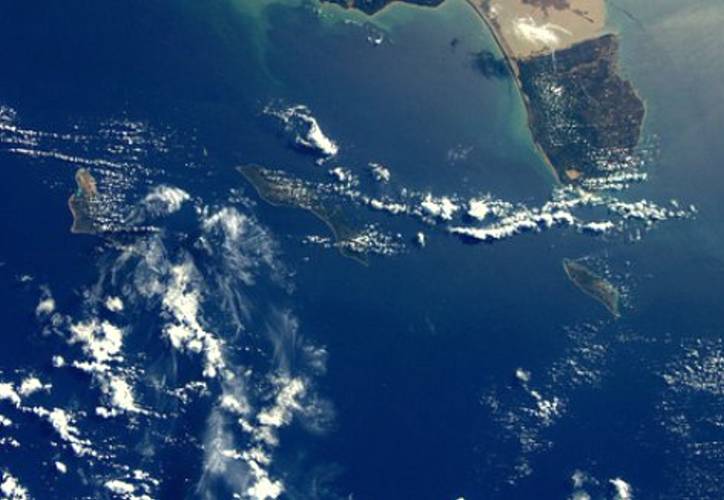
Bonaire, Curacao, Aruba

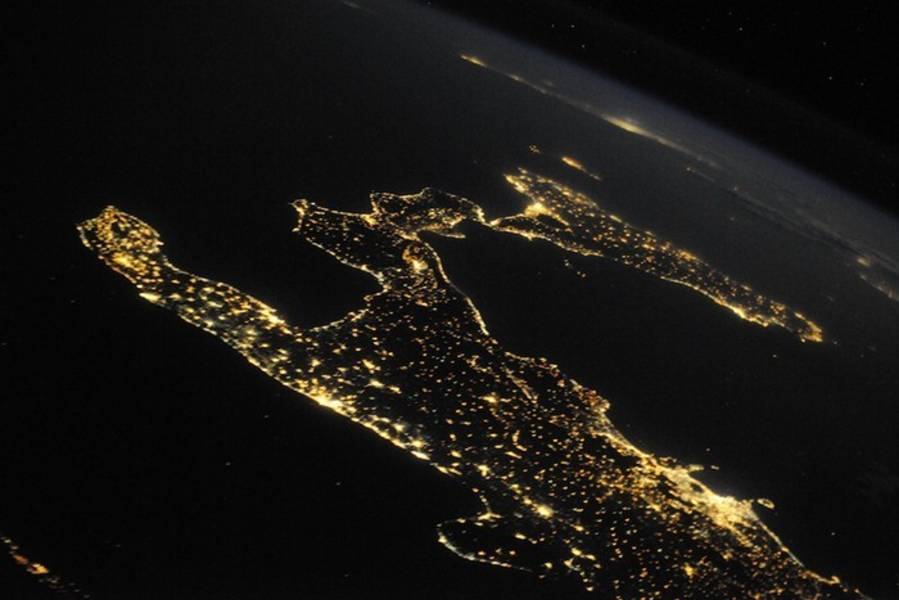
Capri, Sicily, Malta

Caucasus Mountains

Cleveland Volcano – Aleutian Islands

Eastern Mediterranean

Great Barrier Reef

Greek Islands

Indian Ocean, near Madagascar

Northern Europe

Patagonia

Rocky Mountains – Idaho, Montana, Wyoming

Sahara Desert

Southern Namibia

Southwestern United States and Pacific Ocean

Uluru – Ayers Rock – Australia


Leave a comment

Filed under News

Happy Earth Day!

Earth Day 2012

Keep the Earth clean.  It’s the only one we have!

Leave a comment

Filed under News

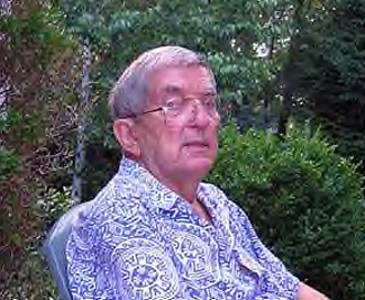
“Dark Shadows” star Jonathan Frid Dead at 87

In a recent post, I mentioned that movie director / producer Tim Burton has adopted the old “Dark Shadows” TV series into a movie.  I just found out, though, that the star of the original show, Jonathan Frid, died in his native Hamilton, Ontario, Canada, on April 13.  Frid had been an obscure Broadway actor when “Dark Shadows” producers tapped him to play the vampire Barnabas Collins after the series’ year.  The character added a supernatural element to an already gothic soap opera that attracted a generation of high school and college students and eventually developed a cult following.

Born John Herbert Frid on December 2, 1924, he served in the Royal Canadian Navy during World War II.  He then trained to be a stage actor at both the Yale School of Drama and the Royal Academy of Dramatic Art in London.  He earned a master’s degree in directing from Yale in 1957.

Even after “Dark Shadows” ended, Frid couldn’t escape the role of Barnabas.  He reprised the role in the 1970 feature film “House of Dark Shadows,” and the few other screen roles that came his way tended toward the ghoulish.  He starred opposite Shelley Winters in the 1973 TV movie “The Devil’s Daughter,” and played a horror writer in “Seizure,” Oliver Stone’s first feature the following year.

As critical as he was of “Dark Shadows,” Frid was equally critical of his performance in it.  “I’d get this long-lost look on my face,” he told The Hamilton Spectator in 2000. “‘Where is my love?  Where is my love?’ it seemed to say.  Actually, it was me thinking: ‘Where the hell is the teleprompter?  And what’s my next line?’ ”

Frid leaves behind no survivors.

Leave a comment

Filed under News

Cartoon of the Day

Leave a comment

Filed under News

Picture of the Day

Tayrona National Park in northern Colombia is billed as a place “where nature and archaeology meet.”  It’s home to beautiful beaches and the famed Ciudad Perdida, or “Lost City,” established around A.D. 800.  Photograph by Jane Sweeney, Corbis.

Leave a comment

Filed under News