Category Archives: Art Working

Picasso Vandalized in Houston Museum

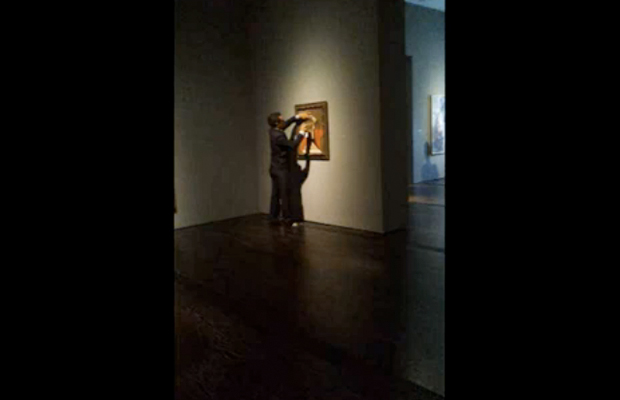
Normally people who use their cell phones in a museum or any venue are too preoccupied with their devices to notice anything else.  But, a visitor to a Houston museum caught a man vandalizing a painting by Pablo Picasso on June 13.  The man has yet to be identified, but he managed to stencil over Picasso’s 1929 “Woman in Red,” before escaping.  Museum officials immediately rushed the painting to their onsite conservation lab.  Their quick response ensures the likelihood the artwork will be saved.

A 24-second video has appeared on YouTube.  Houston police spokeswoman Jodi Silva said investigators are reviewing both surveillance video from the museum and the video posted on YouTube.  When asked if police think the vandal and witness were working together, she said, “We’re taking all the information and we’re looking at all aspects of the incident.”  She would not say whether police have spoken to the witness who shot the video.

This is not the first time one of Picasso’s works has been vandalized.  In 1999, an escaped mental patient in Amsterdam cut a hole in the middle of his “Woman Nude Before Garden,” a 1956 painting.

1 Comment

Filed under Art Working

Inspiration

Source: Ana Von Rebeur.

Leave a comment

Filed under Art Working

Healing Art

A patient mock-up room for the new Parkland Hospital.

Back in March, the Dallas Business Council for the Arts’ 2012 Leadership Arts Institute Class announced “Parkland PARTners: Advancing Healing through Art,” an initiative to place artwork in the rooms of patients in the new wing of Parkland Hospital.  Studies have shown that art can help patients recuperate faster from surgeries or illnesses.  The Council raised $50,000 for the project, which will place 1 piece of art in each patient room.  There’s also a financial incentive.  Parkland is a county hospital and they’re often running over budget.  Helping patients heal could reduce costs.  Regardless, it’s a true example of the business and art communities coming together for a noble effort.

Leave a comment

Filed under Art Working

The Legacy of the Plumed Serpent in Ancient México

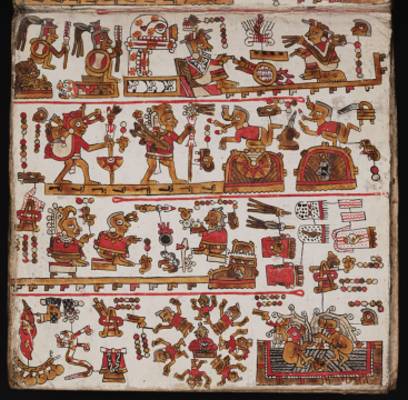
Codex Seldan, Western México

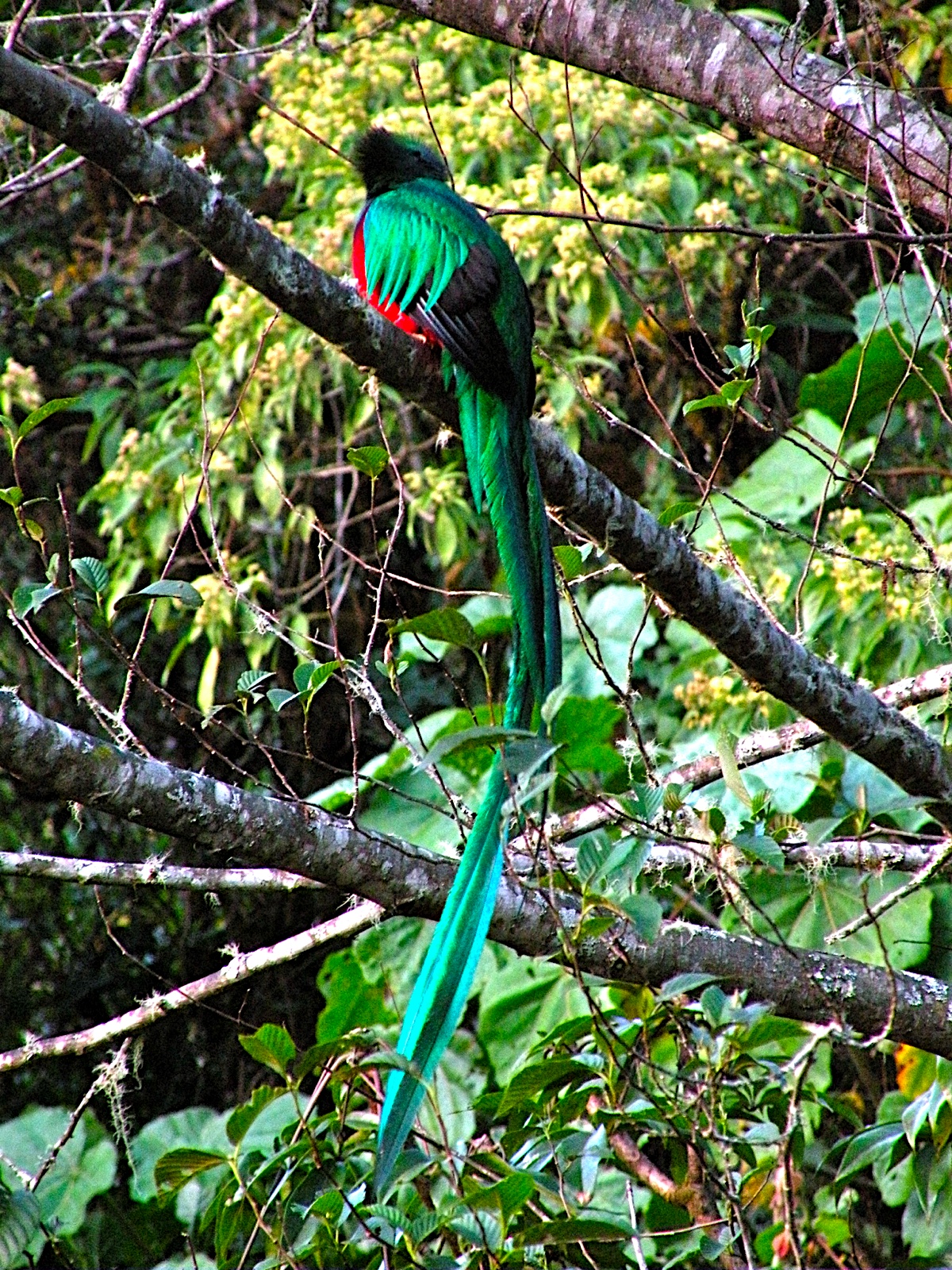
Beginning July 29, 2012, the Dallas Museum of Art will present “The Legacy of the Plumed Serpent in Ancient México,” an artistic exploration of indigenous Mexican societies and one of their most prominent deities, Quetzalcoatl, an incarnation of the spirit forces of wind and rain and the real-life quetzal bird.  The quetzal is native to Central America and southern México and is best known for its resplendent colors and twin tail feathers that grow up to 3 feet on the males.  The bird has always been sacred to the indigenous peoples of these regions.  Mayan and Aztec royalty and religious leaders adorned themselves with the quetzal’s lengthy tail feathers during ceremonies.

The exhibition features 150 objects – such as painted codices, turquoise mosaics and gold ornaments – loaned from museums and private collections in México, Europe and the United States.  The artworks in the “Plumed Serpent” collection trace the development of Mesoamerican societies and prove how complex and advanced they were.

They include the “Codex Zouche-Nuttall,” one of a small number of known Mexican codices dating to pre-Hispanic times.  Codex is the technical name for an ancient book or manuscript, before the invention of the printing press.  Mesoamerican societies recorded various events and religious ceremonies using this technique, sometimes in rock or stone.  A writing system arose in central México around 600 B.C.; one of only two places in the world that historians have identified where writing appeared completely and independently of any outside influences.  Mesopotamia is the other.  Europeans destroyed many Mesoamerican codices, believing they bore some satanic elements.

The “Codex Zouche-Nuttall” is made of deer skin and comprises forty-seven leaves.  One side relates the history of important centers in the Mixtec region, while the other side records the genealogy, marriages and political and military feats of the Mixtec ruler “Eight Deer Jaguar-Claw.”  First published in 1902, the “Codex Zouche-Nuttall” is one of the few Mesoamerican pictorial documents to have escaped destruction.

“The Legacy of the Plumed Serpent in Ancient México” was organized by the Los Angeles County Museum of Art and is made possible by the National Endowment for the Humanities.  The Dallas exhibit runs through November 25, 2012.
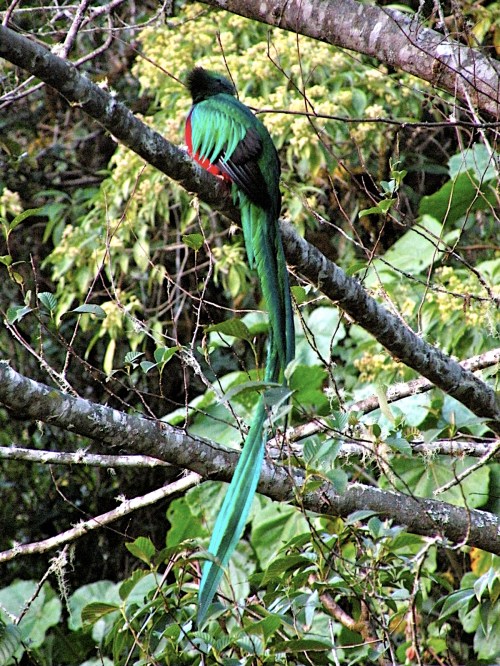
Quetzal


Leave a comment

Filed under Art Working

Life and Breath in Paint

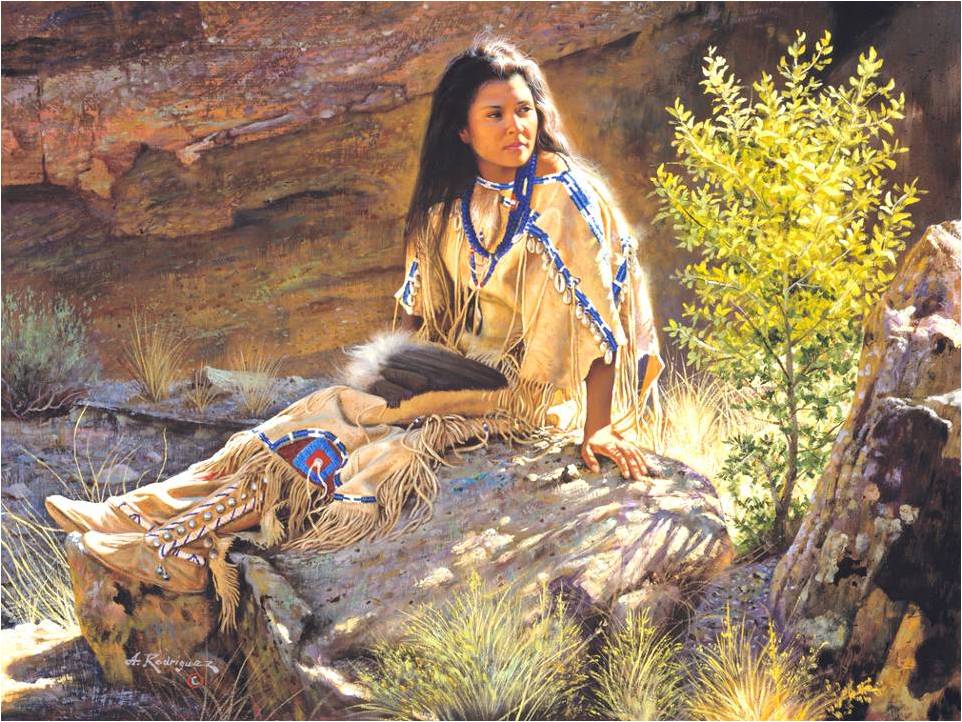
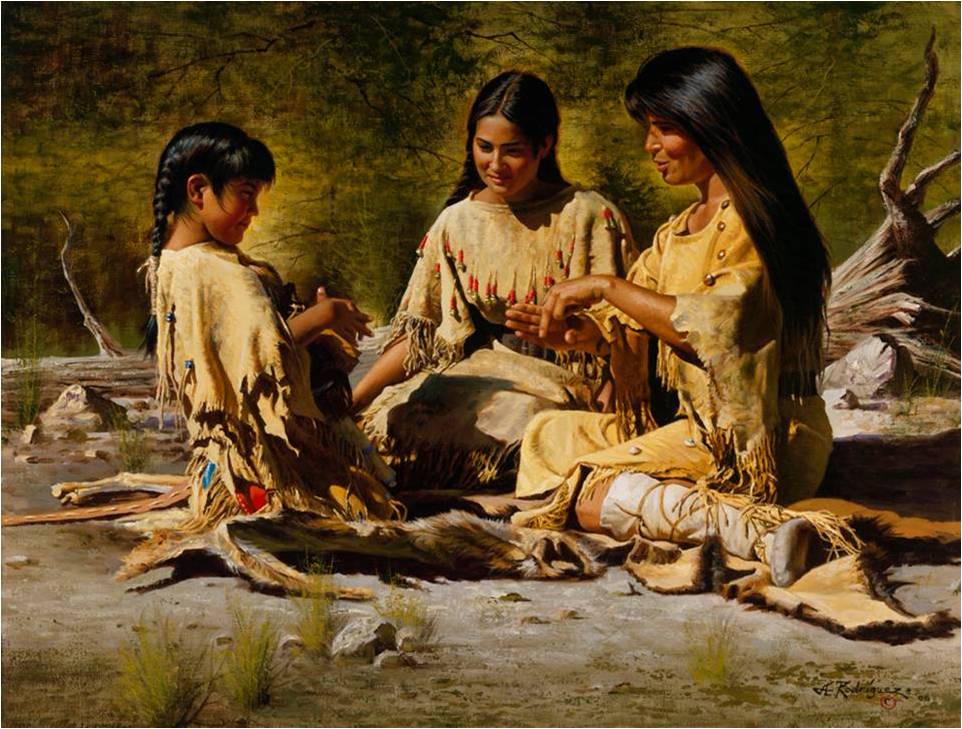
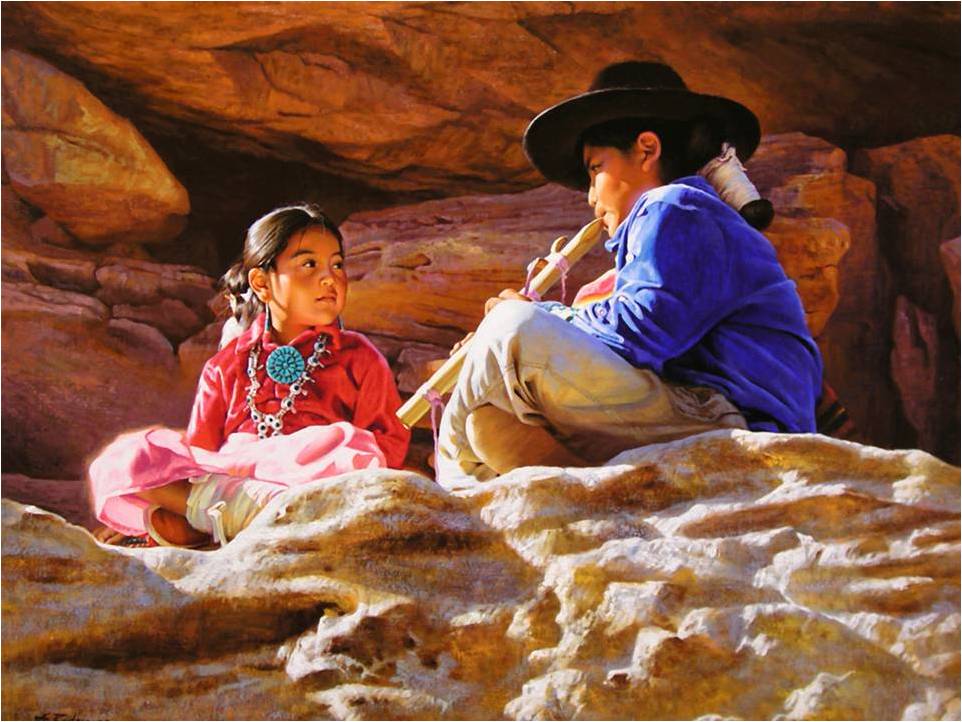
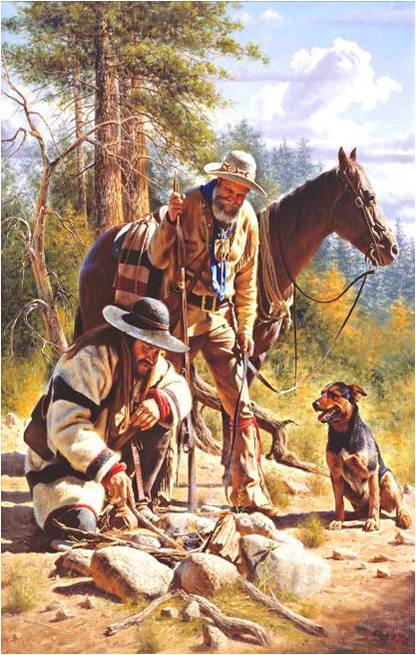
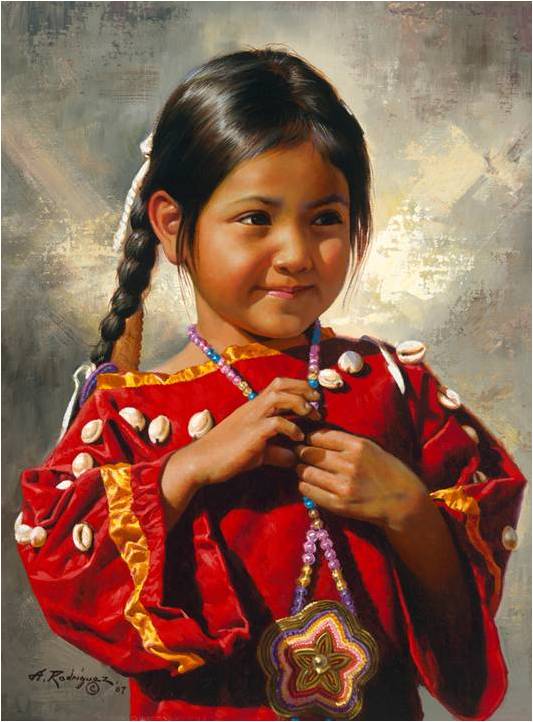
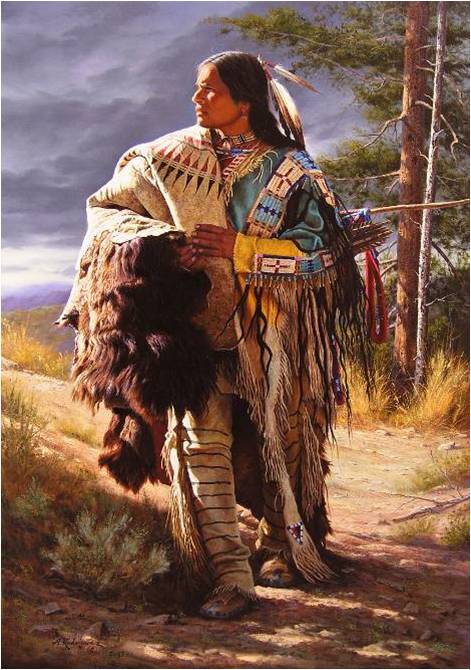
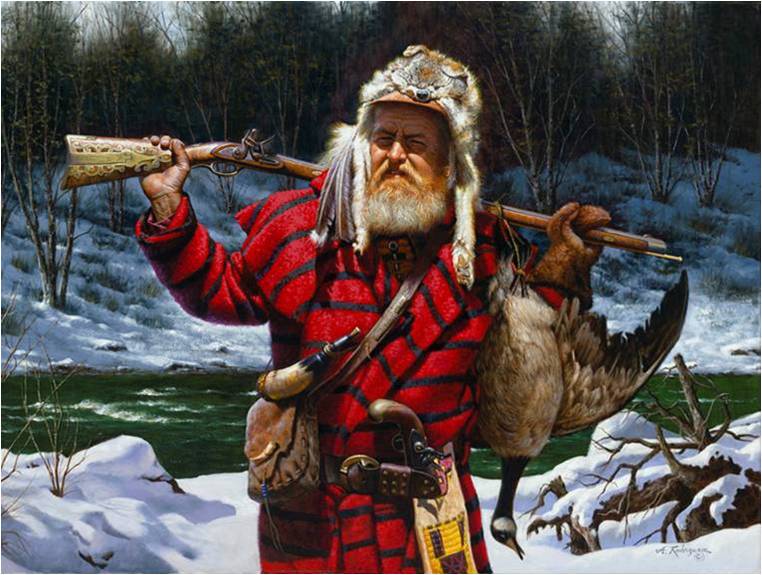
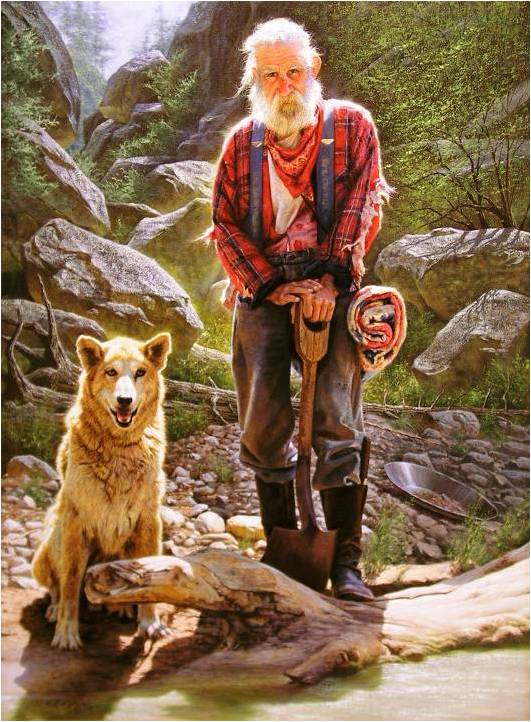
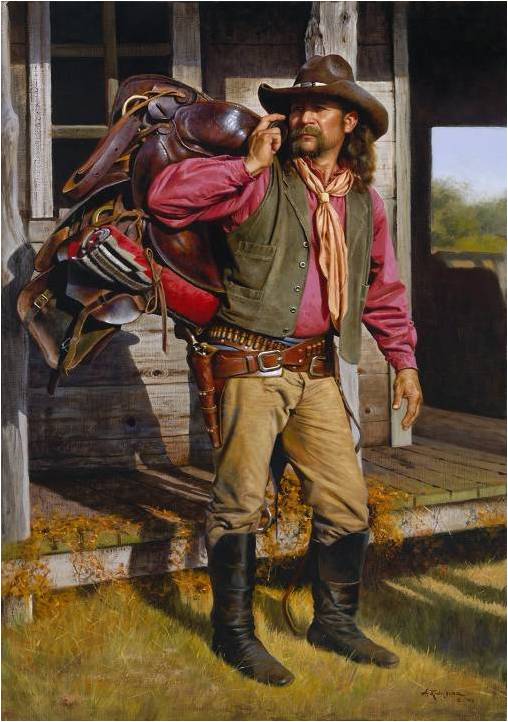
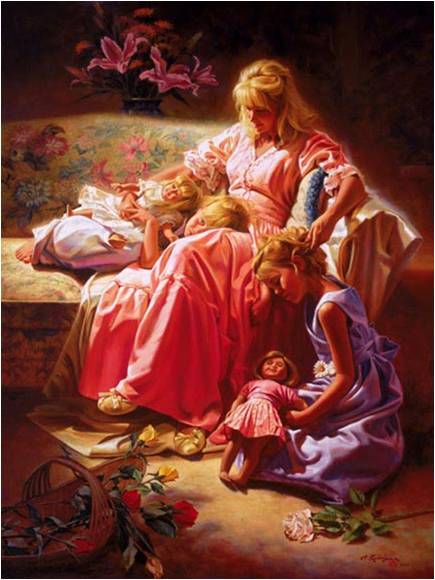
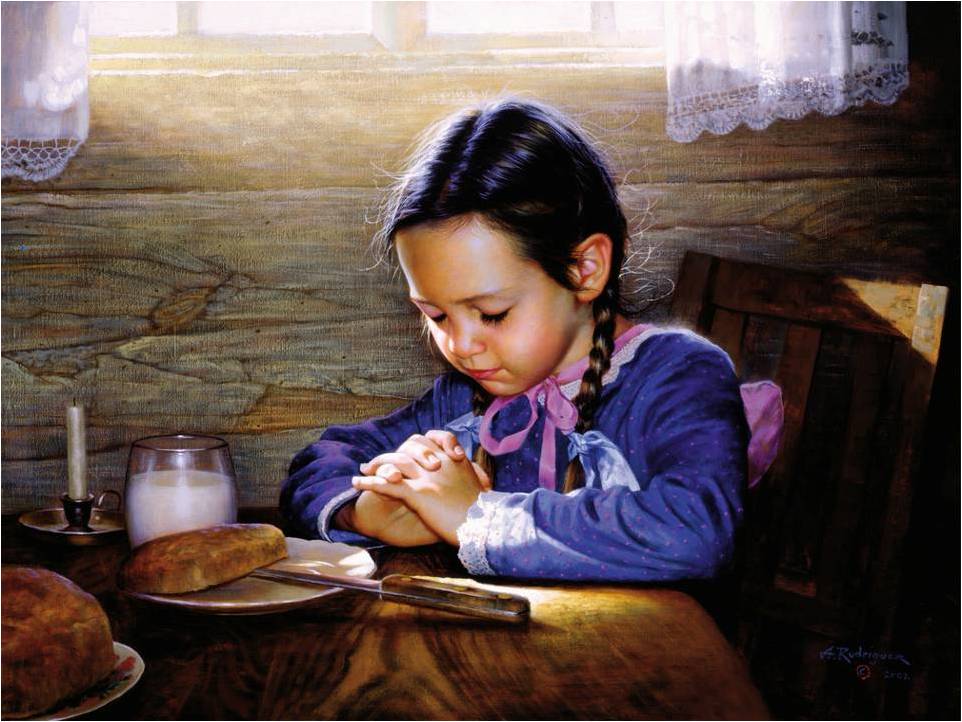
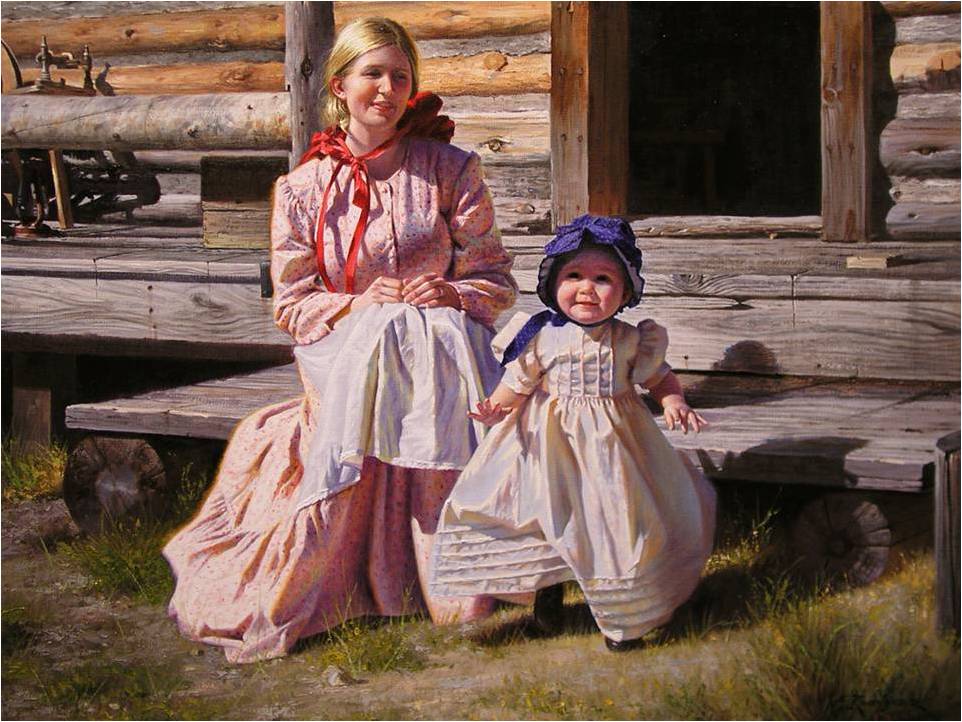
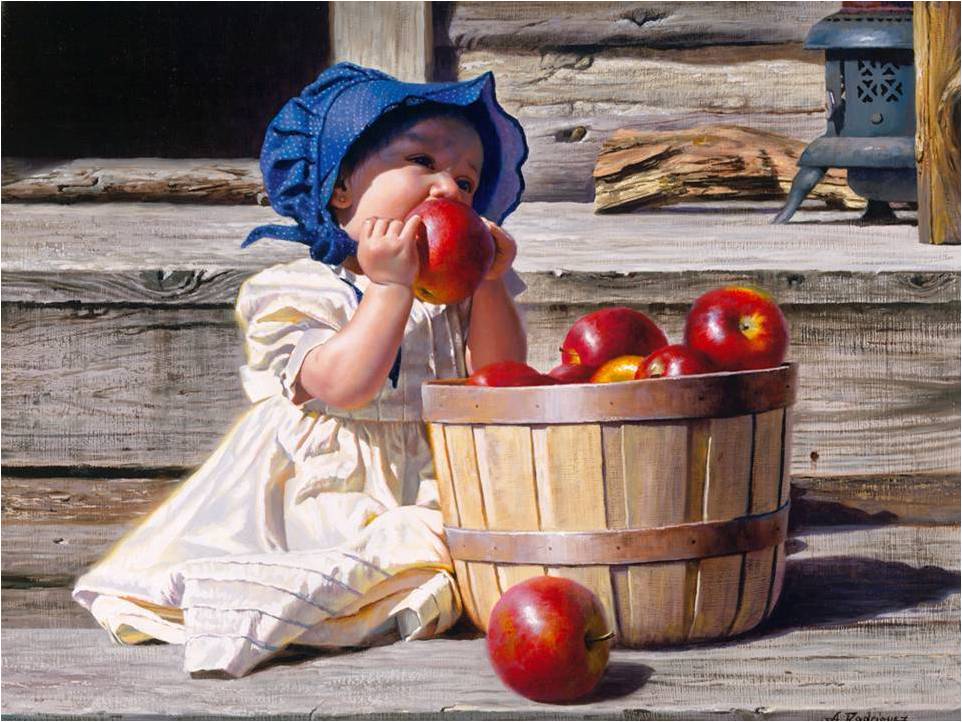
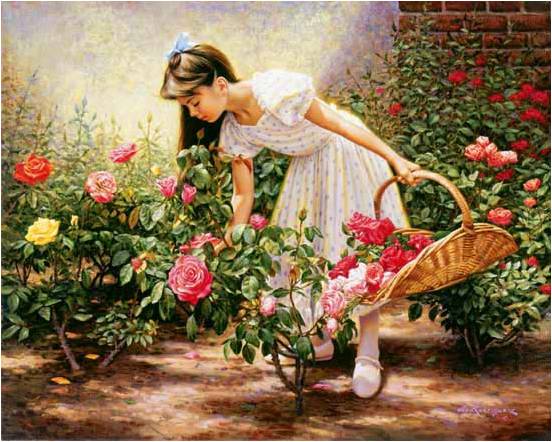
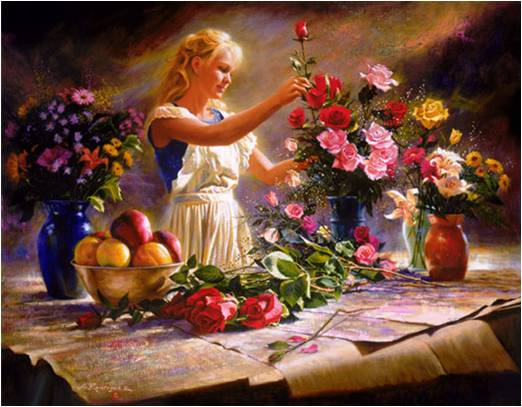
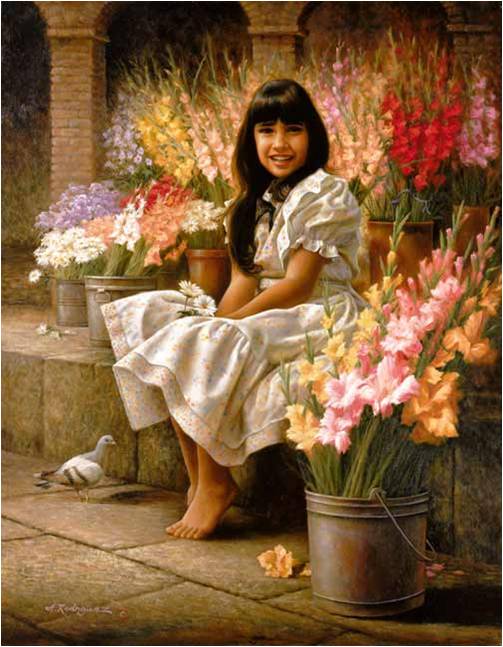
Alfredo Rodriguez is a Mexican-born artist who now lives in California.  He’s best known for his spectacular drawings of life in the American West.  His works are breathtaking in their use of color and light, which give viewers an extraordinary sense of realism.  Such details as shadows and strands of hair almost make you doubt that you’re looking at an illustration.  Words aren’t enough to describe the sensation.  Here are just a few examples of Rodriguez’s work.


1 Comment

Filed under Art Working

The Art of Sand

Who would think that lowly sand could become an artist’s tool?  Ilana Yahav has discovered the joy of it.  Using only her delicate hands and boundless imagination, Yahav transforms these simple grains from the stuff of beachfronts and deserts into breathtaking visions of extraordinary beauty.  This video is just one example of her work.


1 Comment

Filed under Art Working

Million Dollar Scream

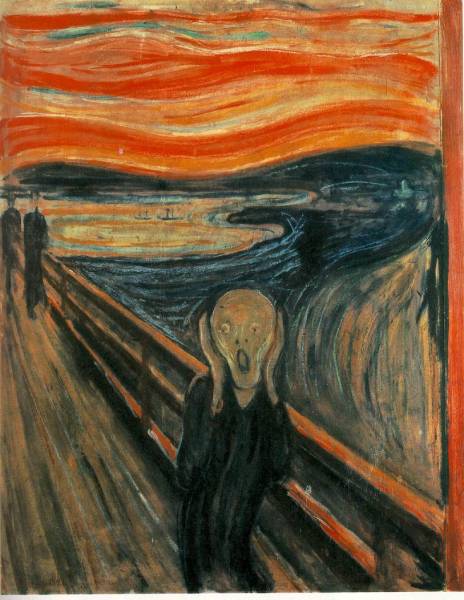
If Edvard Munch’s “The Scream” isn’t enough to create the anxiety within you that it was intended to invoke, then its $119,922,500 price tag should do it.  The iconic work Munch produced in 1895 is supposed to be a reflection of an anxious society on the verge of a new century.  I guess that’s why it continues to entrance people.  Last week “The Scream” broke a world record, becoming the most expensive artwork sold at an auction conducted by Sotheby’s.  The figure in the drawing – which is actually a pastel on board and not classified as a painting – is said to be man holding his head and hollering beneath a blood-red sky.  I’ve always thought it looks like an androgynous cretin drawn by an angry kindergartener.  But, if people in 1890’s Europe were angst-ridden, then I’d hate to see their reaction in early 21st century America.

Munch described his inspiration for the drawing:

“I was walking along a path with two friends – the sun was setting – suddenly the sky turned blood red – I paused, feeling exhausted, and leaned on the fence – there was blood and tongues of fire above the blue-black fjord and the city.  My friends walked on, and I stood there trembling with anxiety – and I sensed an infinite scream passing through nature.”

And, of course, being the good artist he was, Munch let his dreams move his hand.  Who says artists aren’t human?

Leave a comment

Filed under Art Working