Category Archives: Classics

Glamorous Ladies of the Silent Screen

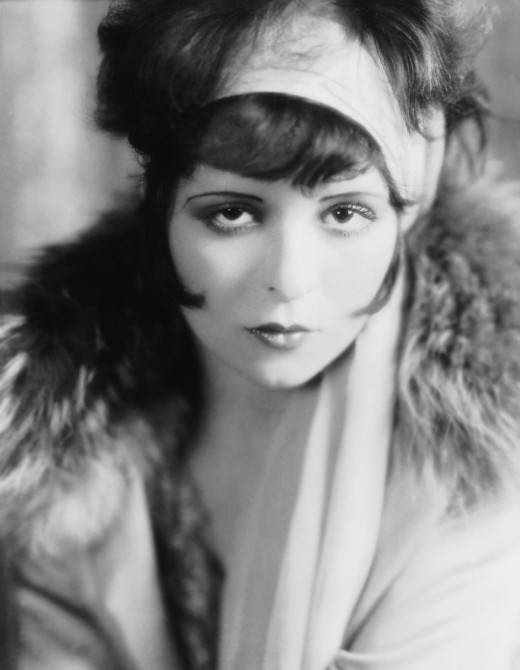
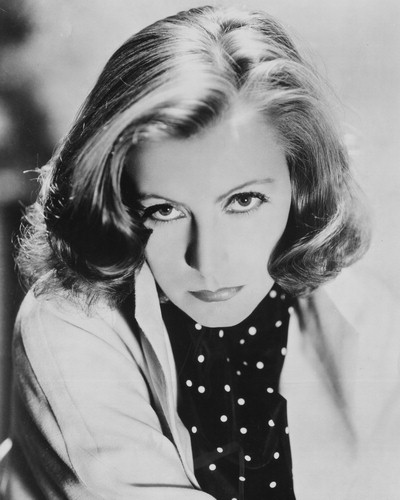
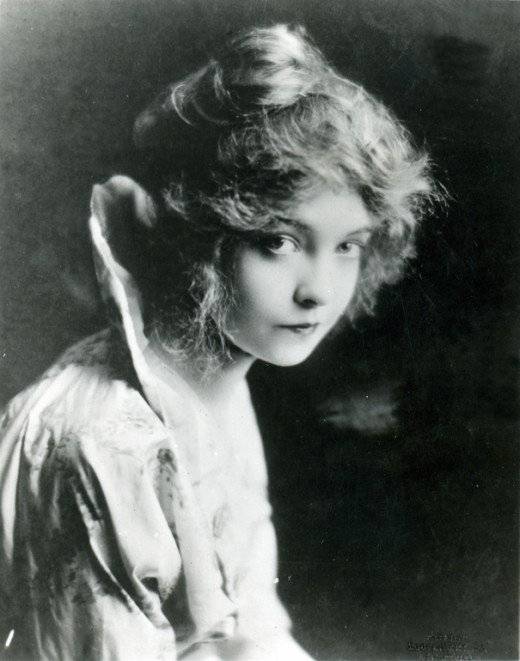
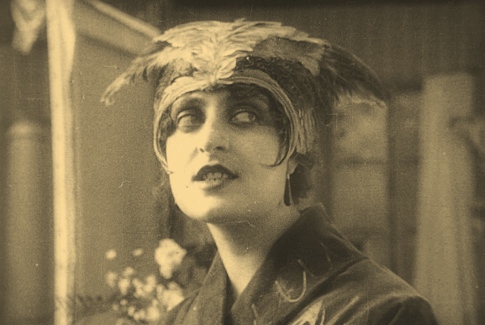
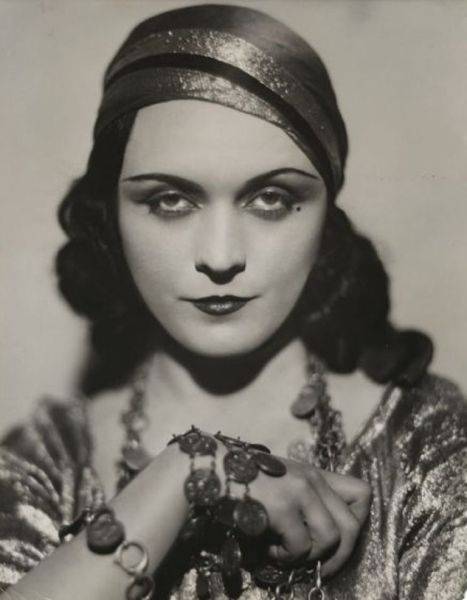
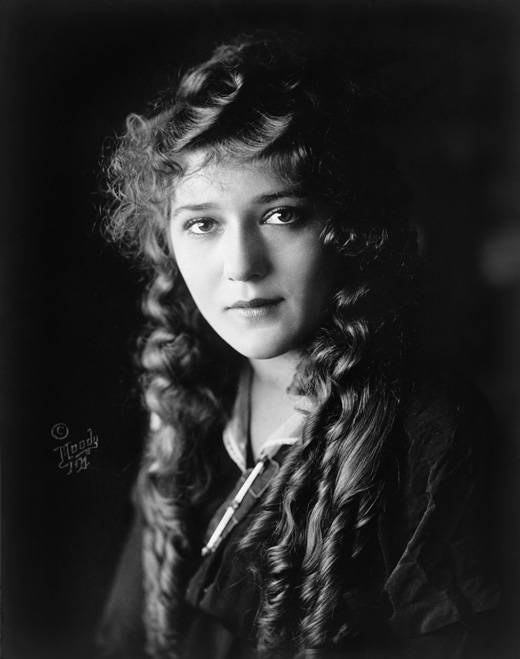
This small collection of photographs covers the extraordinary range of silent film actresses – from the virginal Mary Pickford to the vampish Theda Bara.  It’s amazing, though, that women in those days fit into only those two roles – a celluloid view through the eyes of men.  Regardless, the silent screen era is unique in the annals of modern entertainment.  We’ll never have something quite like it again.

Mary Pickford

Alice White

Anita Page

Barbara Kent

Bebe Daniels

Bessie Love

Clara Bow

Gloria Swanson

Greta Garbo

Lillian Gish

Lilyan Tashman

Mabel Normand


Pina Menichelli

Pola Negri

Theda Bara


Leave a comment

Filed under Classics

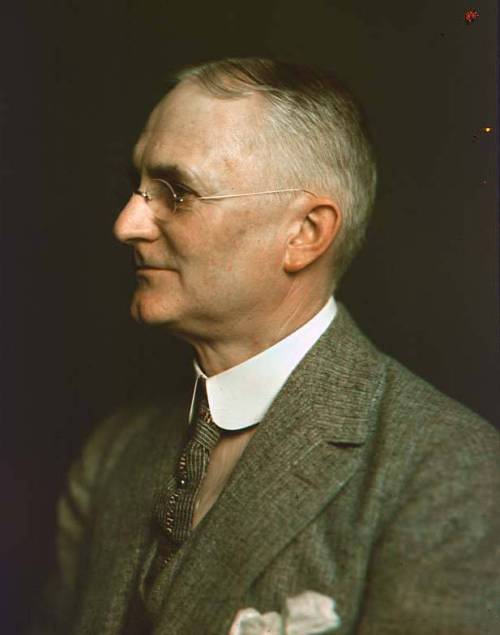
1914 Kodachrome of George Eastman

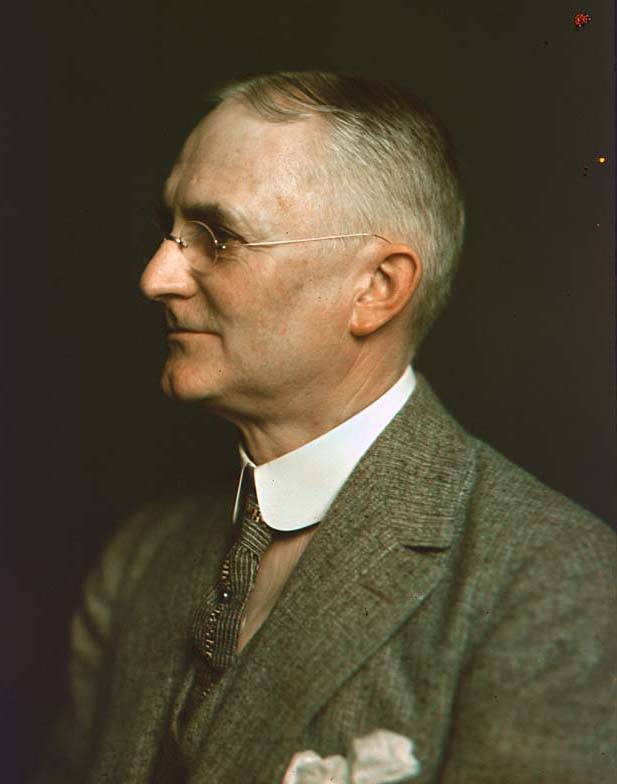
This is a color portrait of George Eastman, the founder of the Eastman Kodak Company.  It was taken by photographer Joseph D’ Anunzio on September 2, 1914, more than 20 years before Kodachrome film was introduced to the public.  The photograph came to the Smithsonian Institute’s Photographic History Collection by accident.  In 1969, several hundred portraits were donated to the collection by a single person.  Among them were four 8” x 10” glass plates, described as Kodachromes taken in 1914.  Unfortunately, two of the portraits, both of young women, arrived damaged.  One had a cracked corner; the other had a crack in the glass plate from top to bottom.  The donor apologized for packing the glass plates poorly and sent the color portrait of George Eastman by way of compensation.

“Kodachrome” is a type of color reversal film Kodak introduced in 1935.  The company had at least 3 different processes that went by this name, the first in 1914.  In the early years of the 20th century, Eastman Kodak pursued the development of a simple color photography process that could be used by amateur photographers.  Charles Mees, the first director of Kodak Research Laboratories, said that George Eastman was crazy about color.

The 1914 version was devised by John Capstaff, a member of Kodak’s research staff. To make a color image like the museum’s photograph, two 8” x 10” glass plates were sandwiched together.  Two photos were taken at the same time by a special camera through green and orange-red filters that reversed one image with a mirror.  After the negatives were developed the positive images were dyed green and orange-red and bound together with the emulsion sides face to face.  Kodak stopped manufacturing Kodachrome in 2010, but its legacy continues as a hallmark of photography.

Leave a comment

Filed under Classics

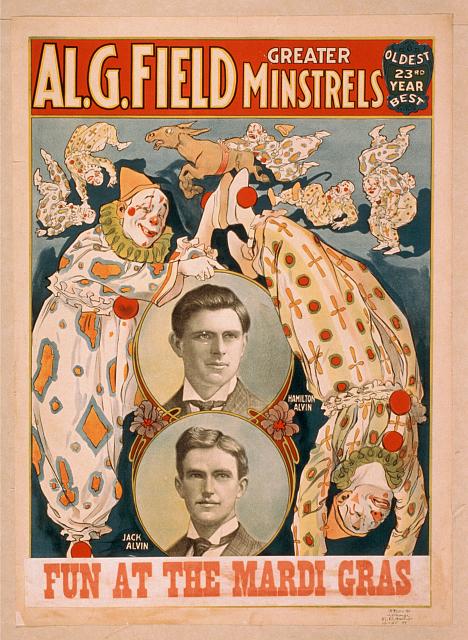
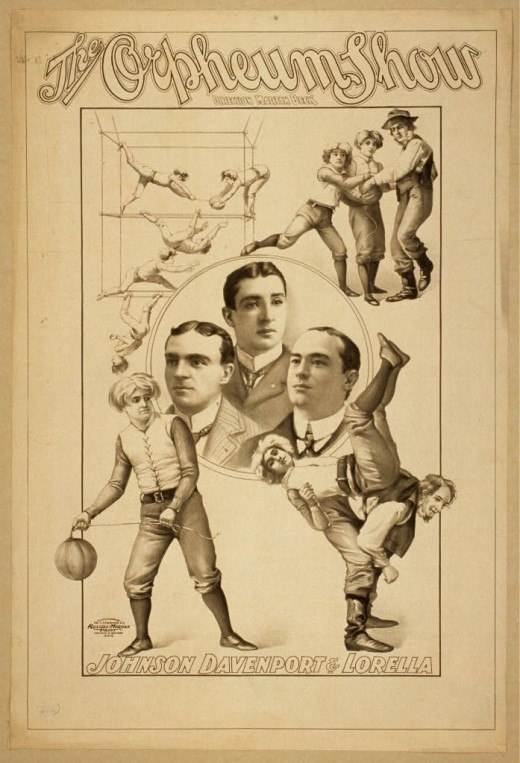
Posters for Acrobat Shows, 1892 – 1903

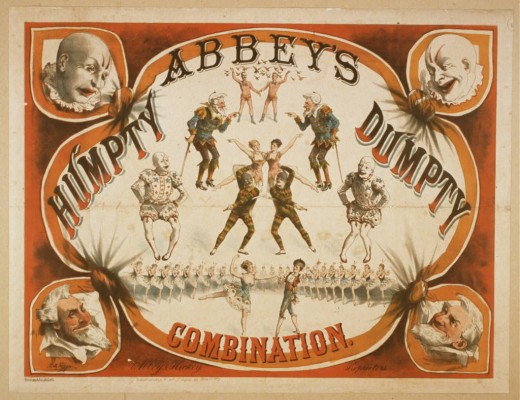
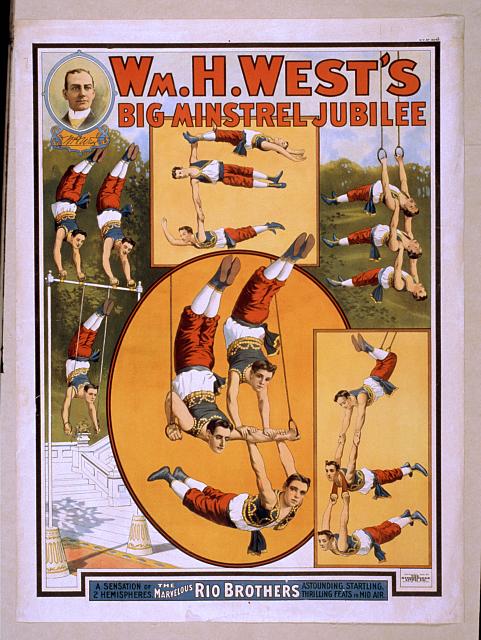
The circus has always been a popular amusement distraction.  Its various forms have entertained generations of people for decades.  In Europe and North America, the modern circus took shape towards the end of the 19th century.  Railroad expansions and later developments of motor vehicles allowed circus troops to travel long distances and delight huge crowds.  Circuses have had to reinvent themselves in recent years with the advent of the Internet and concerns about animal abuses.  But, in their prime, posters such as these, courtesy of the Performing Arts Poster Collection, Library of Congress, attracted the masses.

2 Comments

Filed under Classics

Cars of the Future – 1948

Nothing can top American ingenuity and ambition!


Leave a comment

Filed under Classics

Rare Titanic Film Footage

This is genuine film footage of the R.M.S. Titanic leaving Belfast, Ireland for Southampton, England.  It is the only genuine extant footage of the ship.  The film continues with shots of the R.M.S. Carpathia, which plucked Titanic survivors from lifeboats, and that ship’s arrival in New York.


Leave a comment

Filed under Classics

Photographs of Titanic by Father Francis Browne

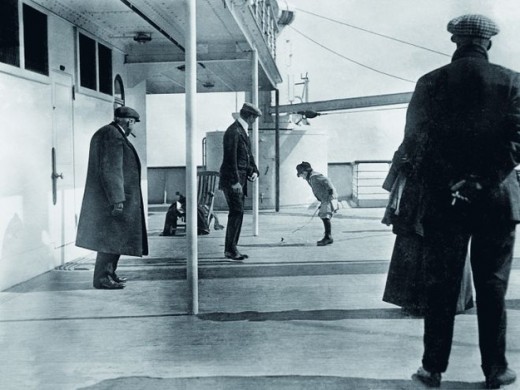
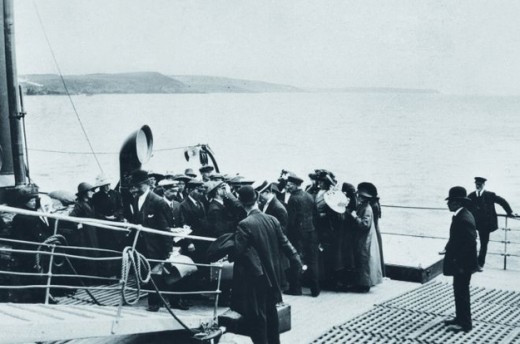
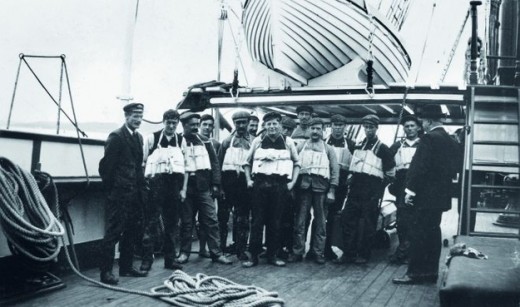
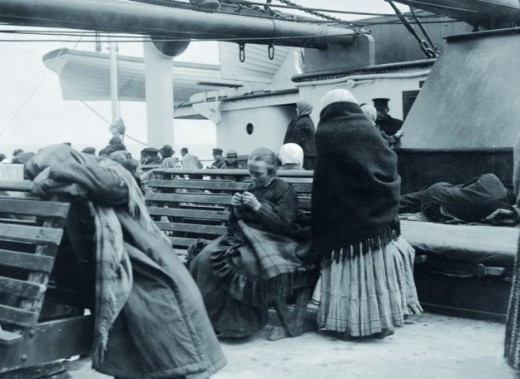
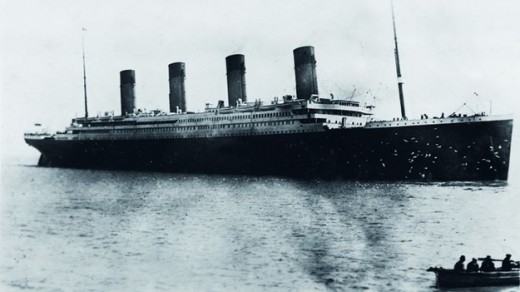
Father Francis Browne was an Irish Roman Catholic priest who traveled to Cobh, Ireland in April of 1912 to photograph the R.M.S. Titanic as it made a brief stop; its last port of call before proceeding on its voyage.  Although the ship was registered in England, Ireland holds a special fondness for Titanic: it was built in Belfast, and many of its passengers were Irish immigrants on their way to what they hoped would be a better life in the U.S.  Father Browne died in 1960, his photographs stored in a large black metal trunk in the basement of Irish Jesuit Provincial’s House.  In 1985, the same year the Titanic wreck was discovered, Father Edward O’Donnell came across Father Browne’s metal trunk, which also contained a number of other photographs and negatives.  But, his Titanic photographs captured everyone’s attention.  Father Browne’s photographs have been published and exhibited around the world and he is now recognized not only as the greatest photographer in Ireland of the first half of the 20th century but an outstanding photographer of world stature.  Here are some of his pictures of life aboard Titanic.

A boy plays aboard the deck of the Titanic

A Queenstown vendor sells Irish lace aboard the Titanic

A U.S. doctor inspects passenger’s eyes

Major Frank Brown

Members of the Titanic crew pose with lifejackets

Passengers from steerage settle on deck aboard the Titanic

The bedroom in the Browne suite aboard the Titanic

The gymnasium

Men waiting for jobs possibly transferring mail

The last photo of the Titanic taken by Father Francis Browne

Father Francis Browne


Leave a comment

Filed under Classics

Fantasmagorie

Fantasmagorie is a 1908 French animated film by Émile Cohl.  It is one of the earliest examples of traditional, hand-drawn animation, and considered by film historians to be the first animated cartoon.


Leave a comment

Filed under Classics

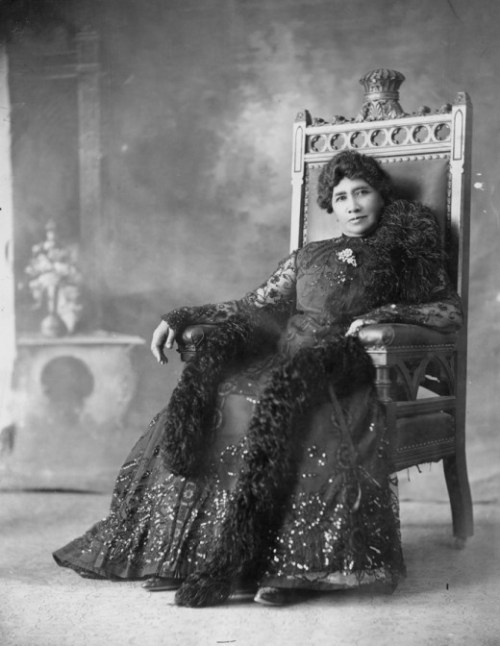
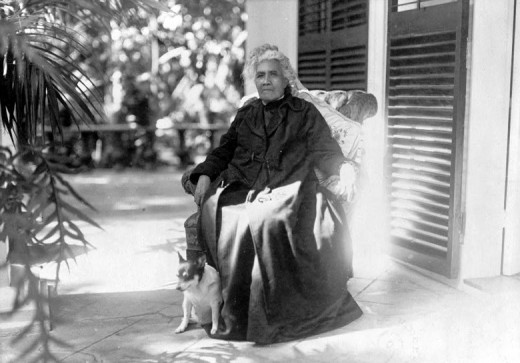
Liliuokalani – The Last Queen of Hawaii

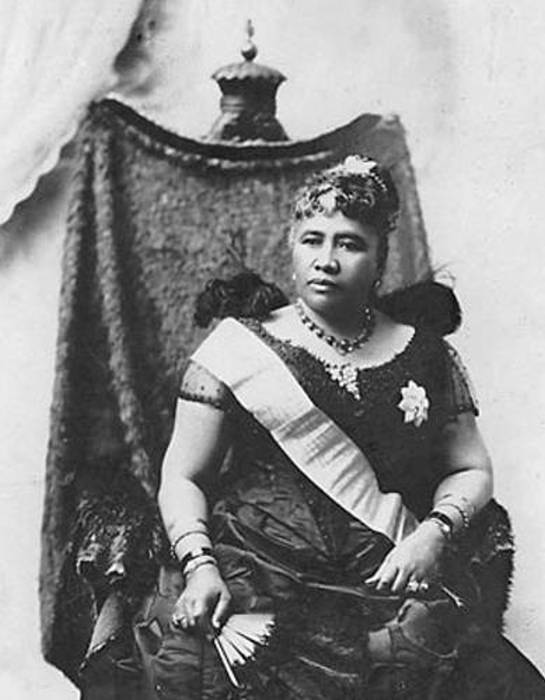
Lydia Kamakaeha Liliuokalani (1838 – 1917) was the last monarch of the Kingdom of Hawaii.  She ascended to the thrown in January 1891 upon the death of her brother, King Kalākaua, but ruled for only 2 short years before White American settlers, backed by a contingent of U.S. Marines, forced her from the throne and imprisoned her.  Polynesian seafarers first arrived in the Hawaiian archipelago around A.D. 200, most likely from Southeastern Asia.  Because of the islands’ extreme isolation (almost 2,600 miles from the nearest land mass, North America), its people and wildlife evolved in a unique setting.  By the time Captain James Cook, a British explorer searching for the legendary “Northwest Passage,” stumbled upon Hawaii in 1778, the islands had been unified under a single monarchy.  Although Indigenous Hawaiians killed Cook a year later, British and later American adventurers continued to arrive; many of whom were Christian missionaries.  When Queen Liliuokalani came to power, Hawaii was almost completely under U.S. control.  Liliuokalani’s brother had ceded much of the land to American missionaries and diplomats, especially its lucrative sugar crops.  She tried to put power back into the hands of her people, but her attempts failed.  After a brief imprisonment, she was relegated to spend her final days confined to a house in Honolulu.  These pictures of her were taken between 1870 and 1917.

With writer Robert Louis Stevenson in 1889

Last known photograph of Liliuokalani, taken before her death in 1917


1 Comment

Filed under Classics

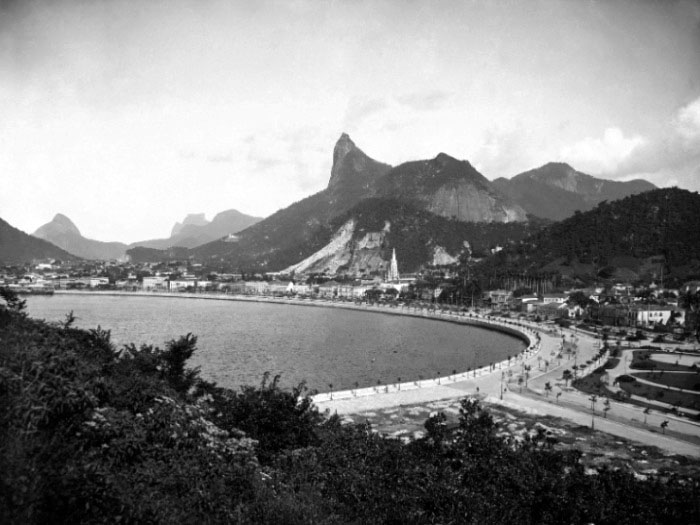
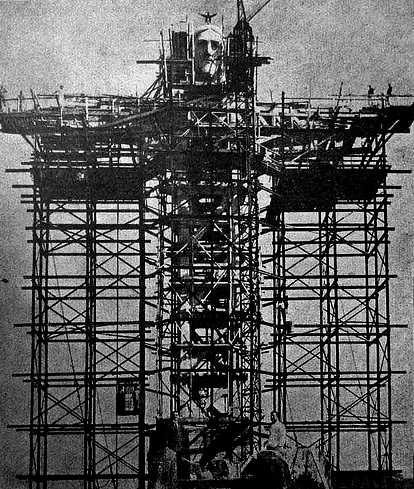
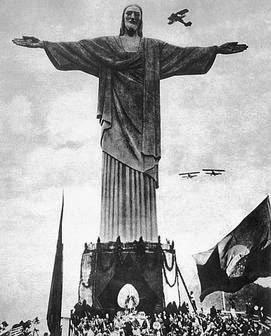
Construction of Christ the Redeemer Statue in Rio de Janeiro, Brazil, 1926 – 1931

In observance of Easter weekend, here are some great photographs taken during the construction of the Christ the Redeemer Statue (or Christo Redentor in Portuguese) in Rio de Janeiro, Brazil.  It is one of the most recognizable landmarks in South America and was named one of the “New 7 Wonders of the World” in 2007.  Designed by Heitor da Silva Costa and sculpted by Paul Landowski of France, the statue towers 125 feet over Rio and contains a chapel large enough for 150 worshippers.  It took 5 years to build and was inaugurated on October 12, 1931.

4 Comments

Filed under Classics

Eisenhower in Video Color

While yesterday marked the 43rd anniversary of the death of Dwight D. Eisenhower, here’s one little known fact about the nation’s 34th U.S. President – he was the first Chief Executive to be photographed on videotape; in both black and white, of course, but more interestingly, in color.  Charles Ginsburg had led the development of videotape at the Ampex Corporation in 1951.  Ampex had been founded two years earlier by Alexander M. Poniatoff,  a Russian immigrant.  The earliest realistic model of a videotape recorder was called the “Quadruplex” machine, or “Quad.”  Some TV stations began utilizing the new technology by 1954, but it was cumbersome and expensive.  This is the oldest known color videotape recording, which is highlighted by a speech Eisenhower gave on May 22, 1958 on WRC-TV in Washington, D.C.


Leave a comment

Filed under Classics