Category Archives: Classics

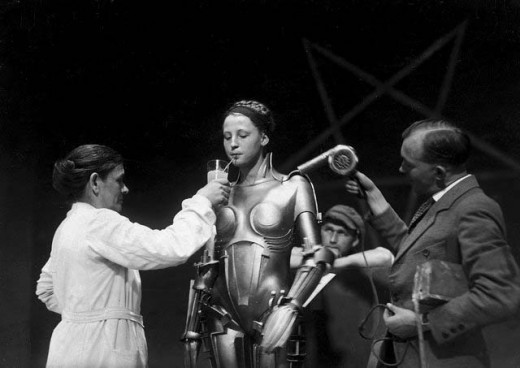
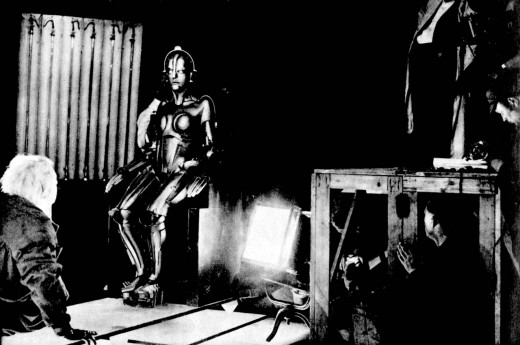
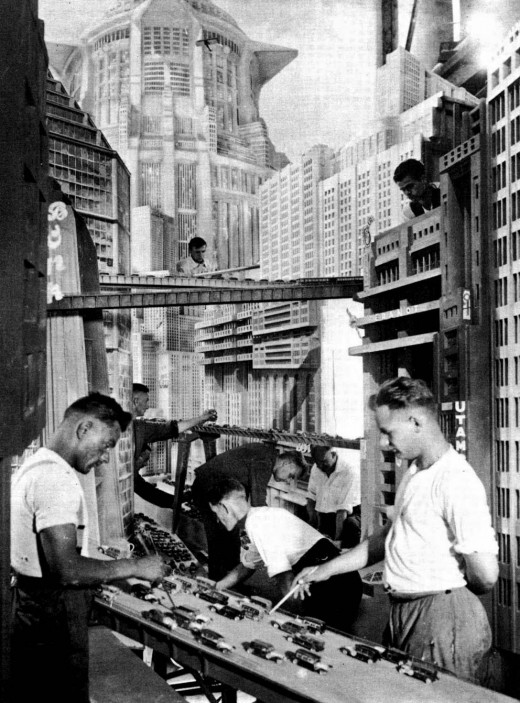
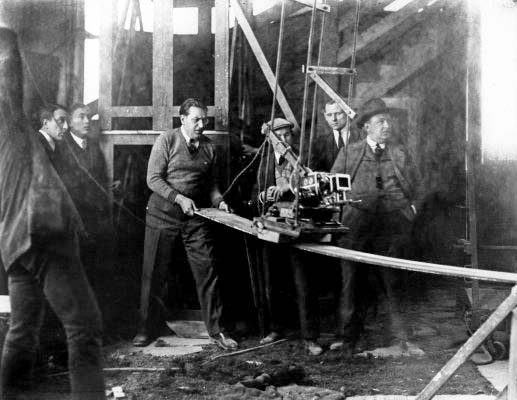
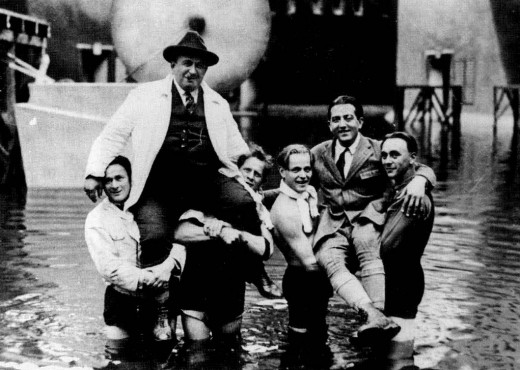
Behind the Scenes of “Metropolis,” 1925 – 1926

Metropolis” is a science fiction film that came out in 1927 and has become a cult classic.  Directed by Fritz Lang, who wrote the screenplay with his wife Thea von Harbou, “Metropolis” examines capitalism in a futuristic urban society.  Produced by Germany’s Babelsburg Studios, it was the most expensive film of its time.  It’s survived several edits since its premier and even colorization at the hands of modernists, but it remains a beacon of ambitious filmmaking; a hallmark of early 20th century German culture.  Here are a few stills taken during the film’s production.

1 Comment

Filed under Classics

Nat King Cole – “Spring Is Here”


Leave a comment

Filed under Classics

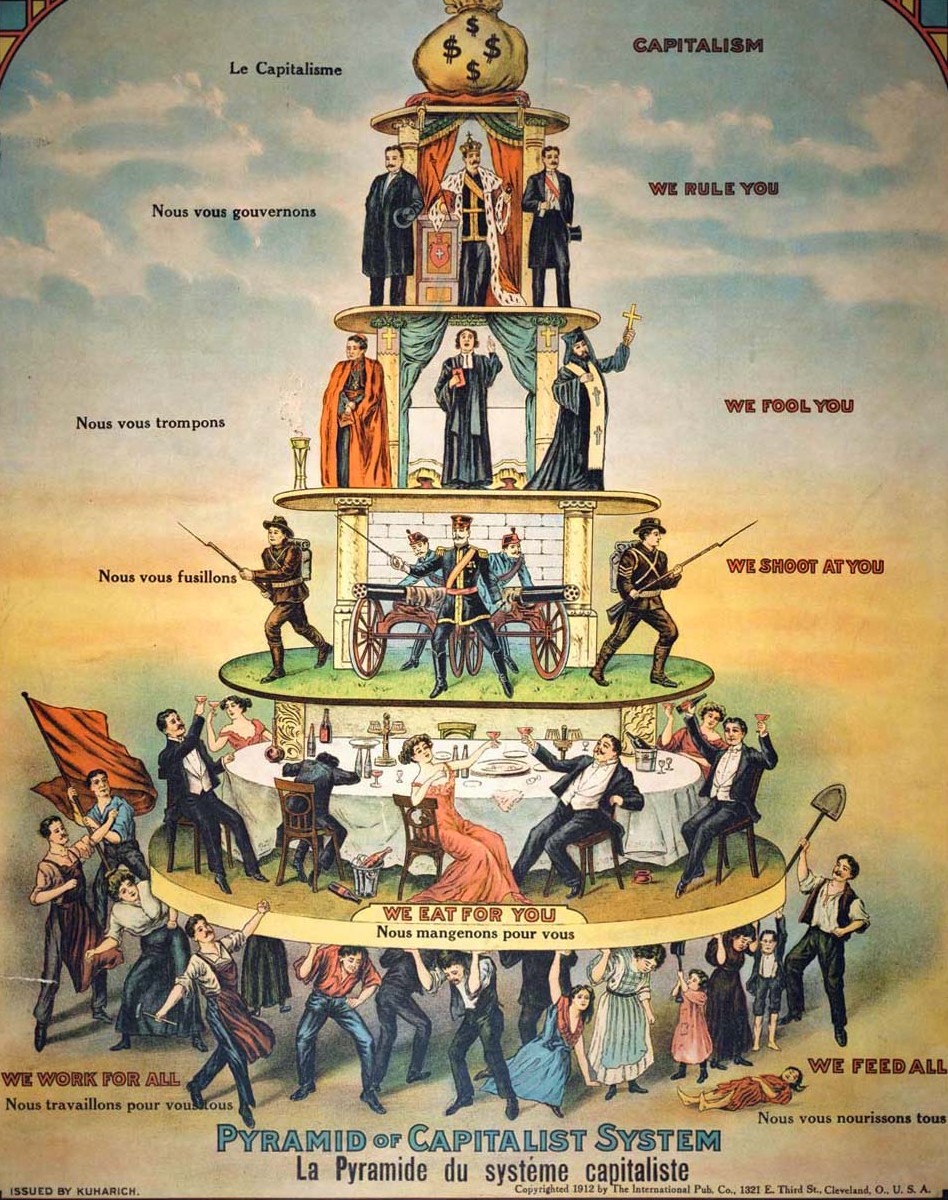
Pyramid of Capitalism, 1911

This is a provocative piece of art by Nedeljkovich, Brashick and Kuharich of Cleveland illustrating the hierarchical system of capitalist rule in the United States.  It’s definitely socialist in nature, with its clear delineations of class structure and division.  At the pyramid’s apex is the source of the trouble: a large bag of money.  Beneath that is the upper class – the “1%,” as it’s called here in the U.S.  Next are religious leaders and institutions who encourage obedience and acceptance of the status quo; beseeching the working masses to accept their unalterable fate and realize their rewards will come in the God’s kingdom, instead of on Earth.  It’s interesting this came out after the “Gilded Age,” which saw the greatest accumulation of wealth in the U.S.  It also came out in the same year as the Triangle Shirtwaist Fire, in which 146 women and girls died in what was then the deadliest workplace fire in U.S. history.

Leave a comment

Filed under Classics

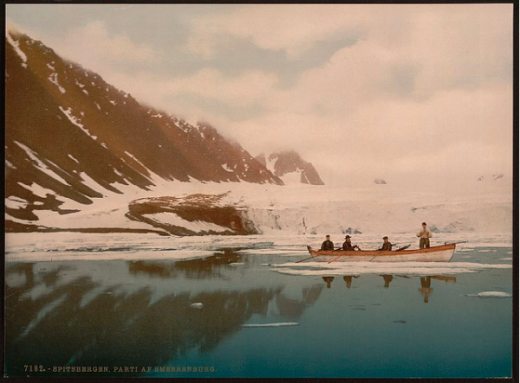
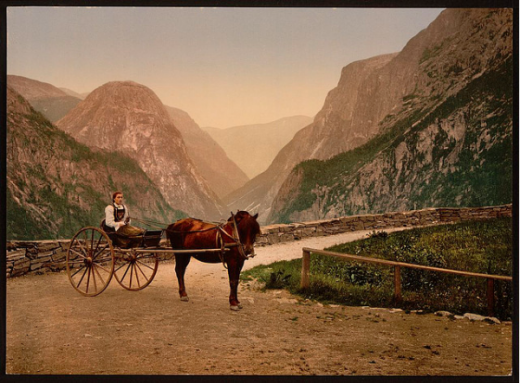
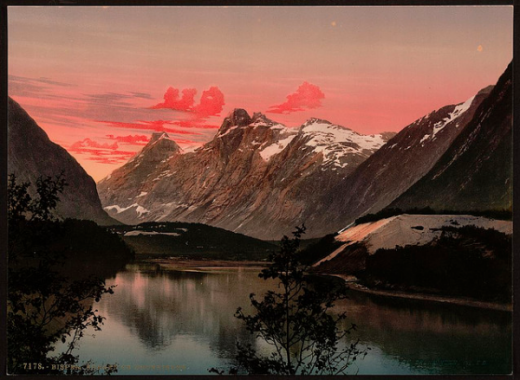
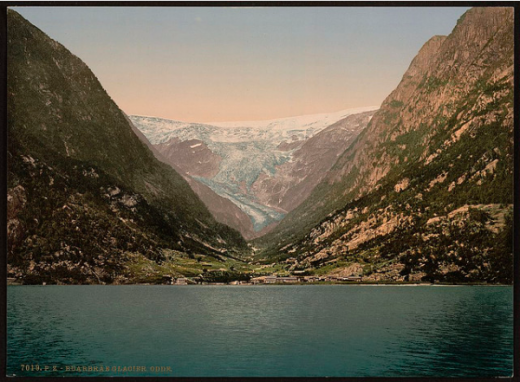
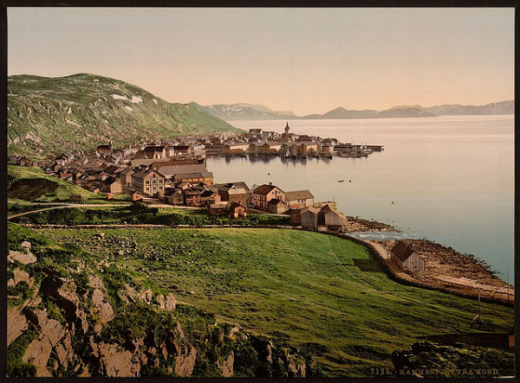
Norwegian Photocroms, 1890 – 1900

A photocrom is a colorized image produced from a black and white negative.  The image is transferred onto lithographic printing plates and subsequently colorized; it’s essentially a photographic variant of chromolithography, which in turn, was a popular means for the mass printing of color lithographs from the 1870’s to the 1930’s.  Hans Jakob Schmid of Switzerland developed the photocrom process in the 1880’s while working for a printing firm.  It was all part of what was then the growing art of color photography.  Photos courtesy of the Library of Congress.


1 Comment

Filed under Classics

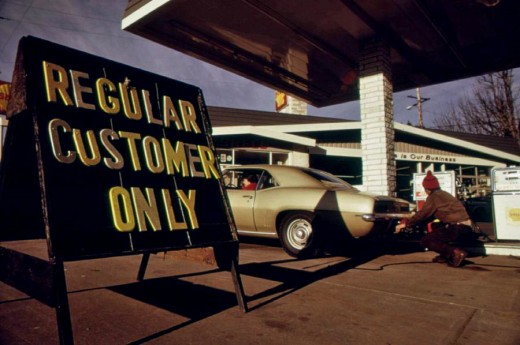
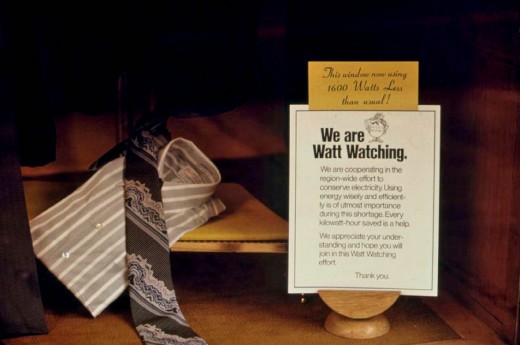
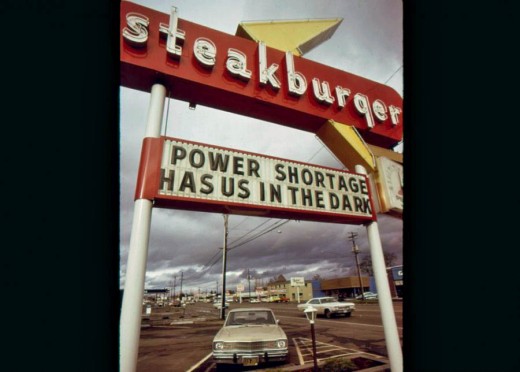
1973 Oil Crisis

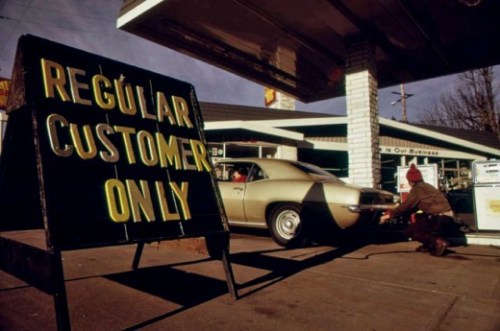
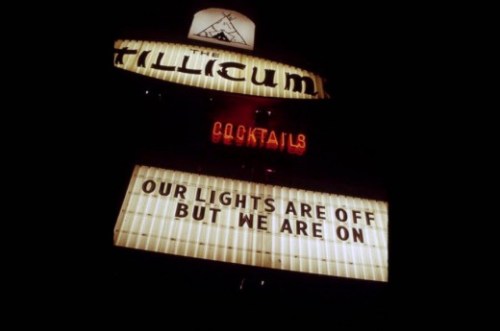
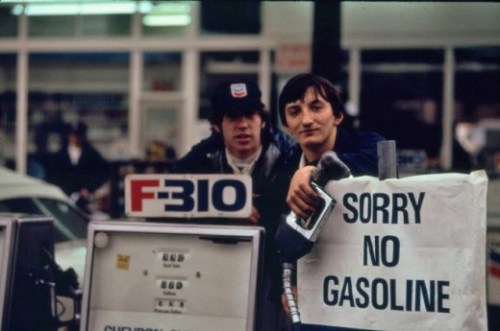
Those of you age 40 and over (yes, this means you, too!) should remember the oil crisis of 1973.  It started in October of that year when the member nations of the Oil Exporting Countries (OPEC) abruptly decided to stop exporting oil to the United States and several other countries.  The U.S. was most affected, however, because we’d already developed an addiction to driving by the 1970’s, and the average vehicle earned less than 15 miles per gallon.  There’s always been a love – hate relationship between the U.S. and the nations of the Arabian region.  American geologists discovered oil beneath the sands of the Saudi deserts in the 1930’s, but full-scale production didn’t begin until after World War II.  That coincided with the rise in automobile usage in the U.S. and the construction of the massive interstate highway system.  The Saudi people moved from a feudal-type existence into the modern world – and got rich in the process.  But, the governments of the various OPEC nations despised the U.S. for its liberal ideals, such as allowing women to vote and drive the vehicles that needed all that oil and its support of Israel.  This latter factor has always been a sore point between the U.S. and the OPEC countries – then as now.  And, it was actually the primary reason for the OPEC embargo.  Egypt unexpectedly attacked Israel on October 6, 1973, and the U.S., of course, took Israel’s side.  The embargo lasted into 1974 and made Americans more conscious of their energy consumption.  I remember scenes like those depicted in these photos.  They’re not what one would call “sweet memories.”


Source: David Falconer / EPA

Leave a comment

Filed under Classics

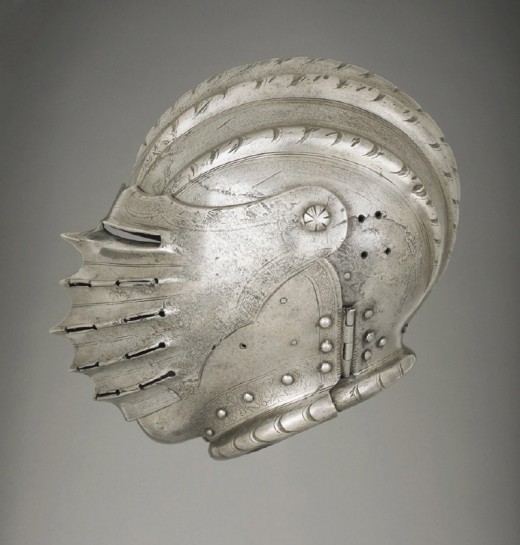
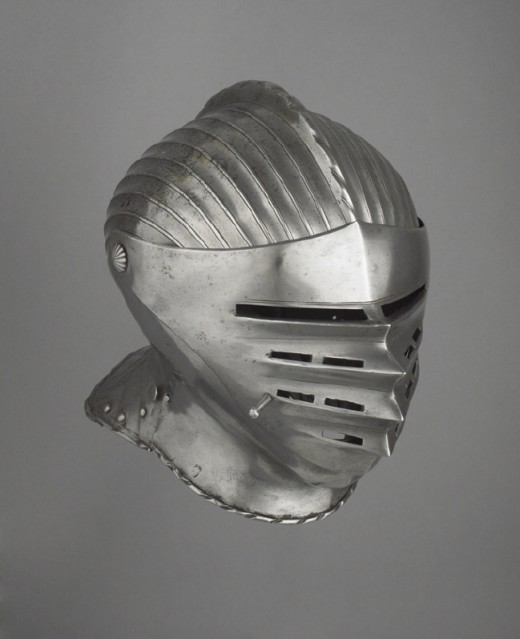
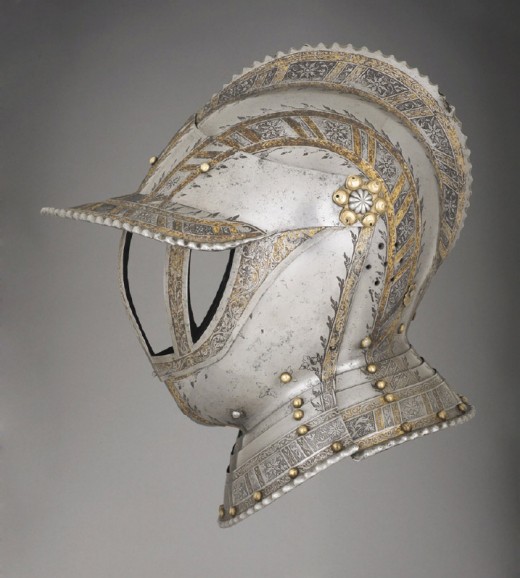
16th Century German Helmets

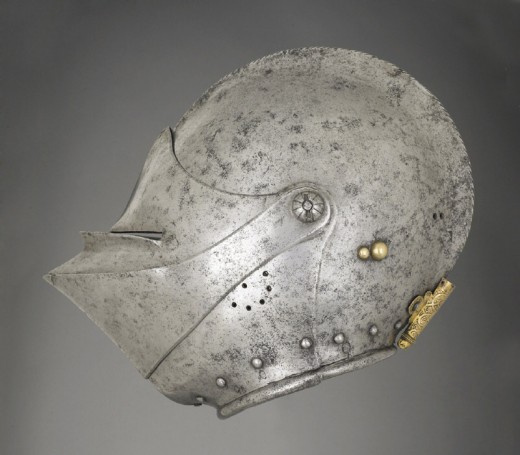
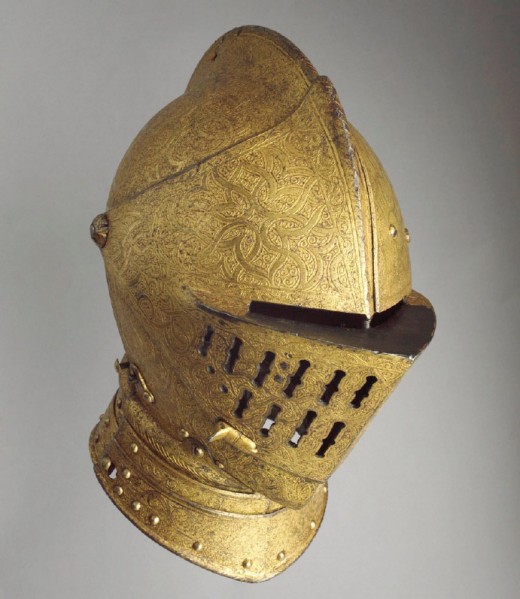
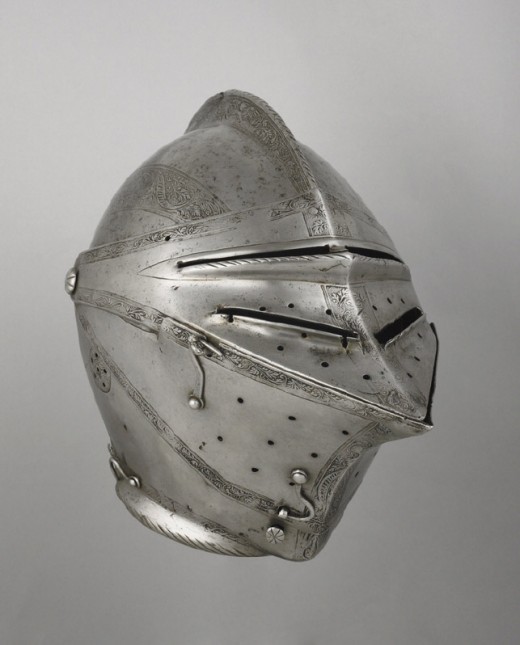
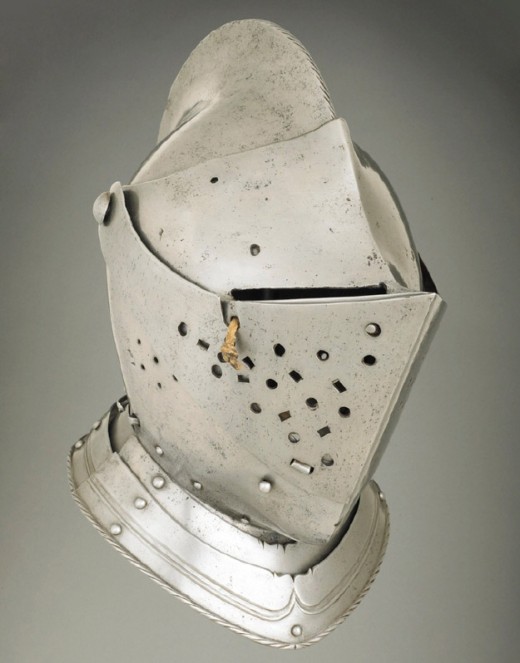
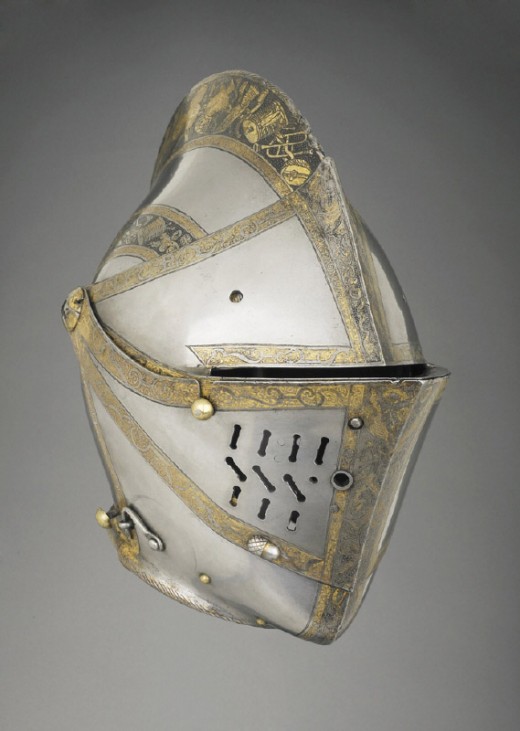
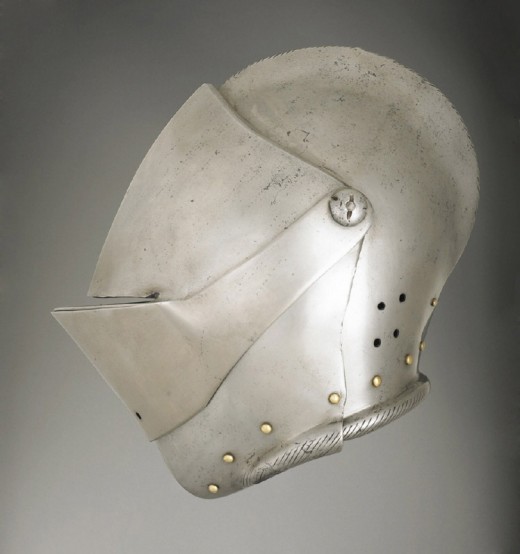
Helmets were just one of the many pieces of protective gear medieval warriors used when engaging in battle.  They also had complete body armor, which included protection for the arms and legs and the renowned form-fitting chain mail; shields; pole arms (javelins and lances); and even armor for one’s horse.  The 14th and 15th centuries – what’s known as the “Late Medieval Period” – saw incredible developments in armor, particularly with helmets.  This stands to reason, since the same period also experienced significant advances in weaponry.  The region occupied by present-day Germany sat at the heart of the Roman Empire, and during the medieval period, the Teutonic Knights created a powerful and completely independent establishment; solidifying their reputation as fierce warriors and technological geniuses.  Here’s a sampling of 16th century German helmets, courtesy of the Wallace Collection.

c. 1500


c. 1520


c. 1530 I


c. 1530 II


c. 1545


c. 1550 – 1560


c. 1550 I


c. 1550 II


c. 1555


c. 1560 I


c. 1560 II


c. 1575


c. 1590 I


c. 1590 II


Leave a comment

Filed under Classics

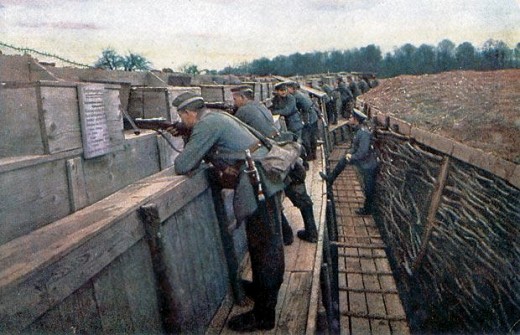
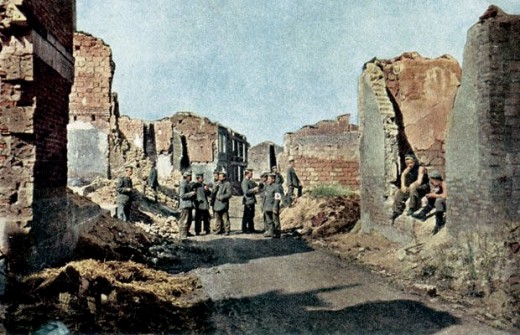
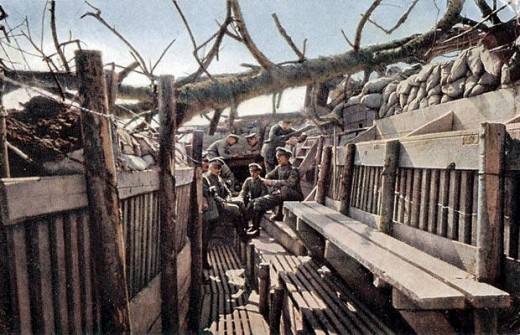
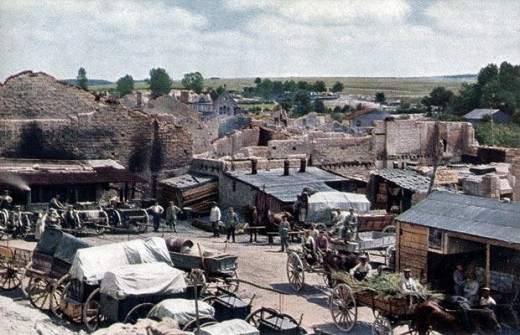
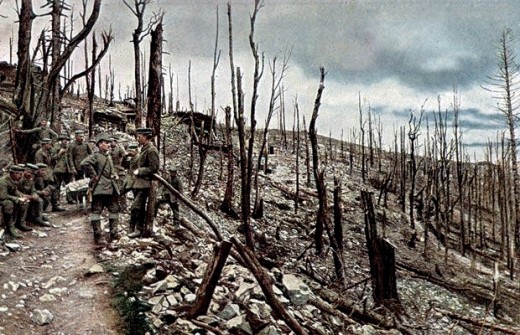
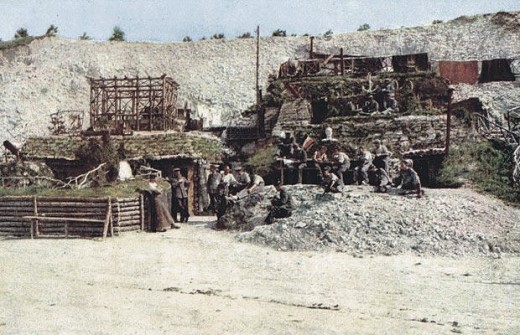
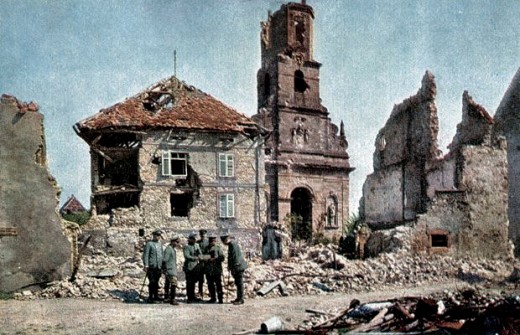
Color Photographs of the German Front During World War I


Courtesy of Hans Hildebrand, Daily Telegraph


Leave a comment

Filed under Classics

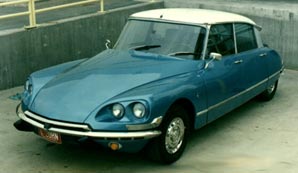
1966 Citroen DS/ID

I’ve always liked the look of an older model Citroen and don’t know why they never gathered much popularity in the U.S.  I fell in love with it when I got a Hot Wheels model of a 1960’s era Citroen as a kid.  The first series of Citroens were produced from 1955 to 1965, but the second group – manufactured from 1966 to 1975 – appears to have some significant advantages.  Starting in 1966, the Citroen DS/ID engine had more horsepower with upgraded transmissions and axles.  The front disc brakes – still relatively new in 1966 – were improved and easier to service.  These adjustments made the Citroen more reliable and allowed it to perform better.  There are an estimated 2,000 to 2,500 Citroen DS/ID cars in the U.S. today.

1 Comment

Filed under Classics

First Color Photograph

This is the first official color photograph, produced in 1861 by Scottish scientist James Clerk Maxwell.  Various people experimented with color photography throughout the 19th century, but most results were temporary projected images, rather than permanent color images.  Until the 1870’s, available emulsions weren’t sensitive to red or green light.  This particular image, “Tartan Ribbon,” is still remarkable, considering that the first actual photograph had been taken less than a quarter century earlier, in 1838 or 1839, by Louis Daguerre.


Leave a comment

Filed under Classics

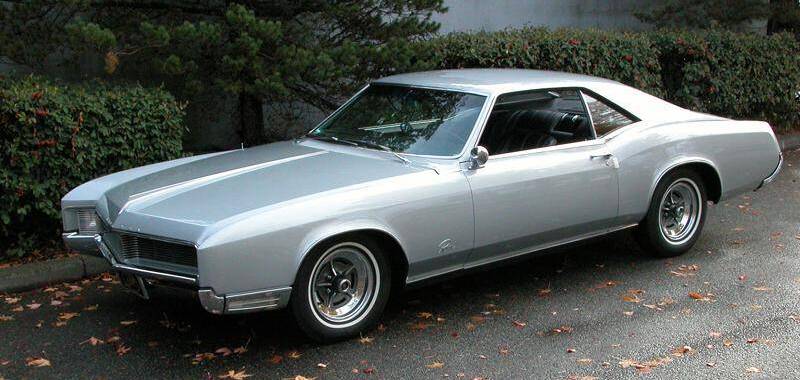
1966 Buick Riviera

Buick first affixed the Riviera name to one of their cars in 1949.  But, not until 1963 did the Riviera become its own line.  Retaining the powertrain and many mechanical components as the first generation – produced from 1963 to 1965 – the 1966 model has a longer and wider body than the first generation.  It rested on a 119-inch wheelbase and had a length of 211.2-inches.  The body style was a 2-door hardtop with rear-wheel drive; the front and rear bucket seats and center console replaced with benches, allowing room for up to 6.


Leave a comment

Filed under Classics