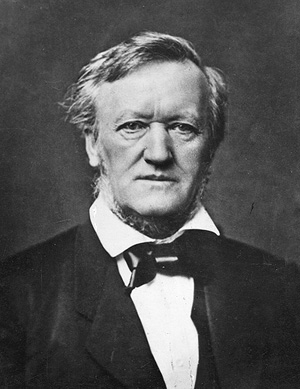
1813 – Composer Wilhelm Richard Wagner (Tristan, Isolde, Lohengrin) was bornin Leipzig, Germany.
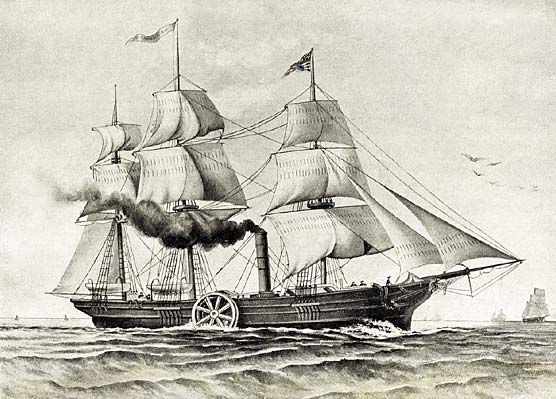
1819 – The steamship Savannah became the first to cross the Atlantic, sailing from Savannah, Georgia to Liverpool, England. This day is now celebrated in the United States as National Maritime Day.
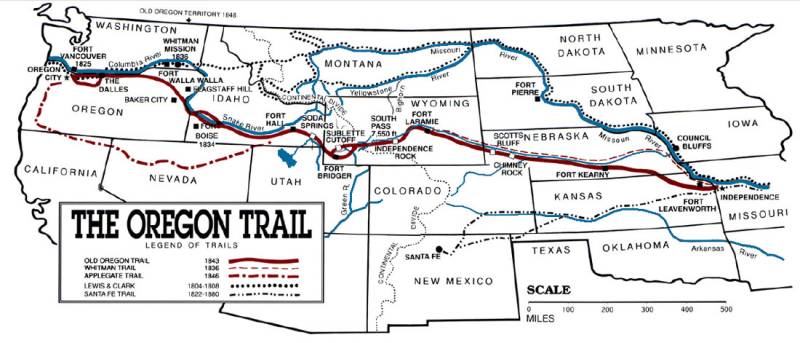
1843 – A wagon train of 1,000 settlers and 1,000 heads of cattle set off on the “Oregon Trail” from Independence, MO, in what became known as the “Great Migration.”
1849 – Abraham Lincoln received patent number 6469 for his floating dry dock.
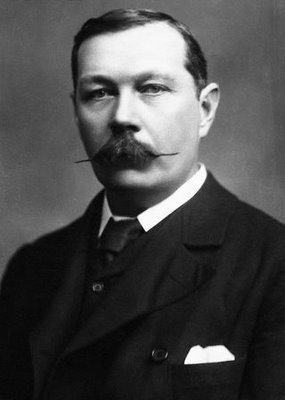
1859 – Author Sir Arthur Conan Doyle (Sherlock Holmes series) was born in Edinburgh, Scotland.
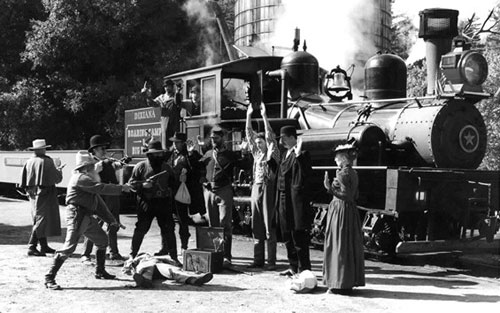
1868 – The masked Reno Gang pulled off the “great train robbery” at Marshfield, IN, hauling away $98,000.
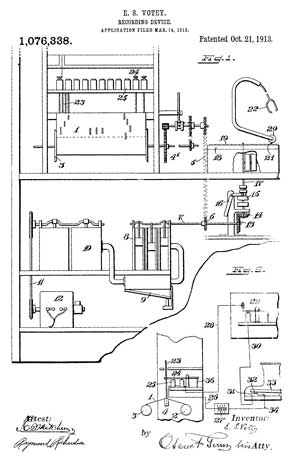
1900 – Edwin S. Votey of Detroit, MI patented his pianola: a pneumatic piano player, which could be attached to any piano.
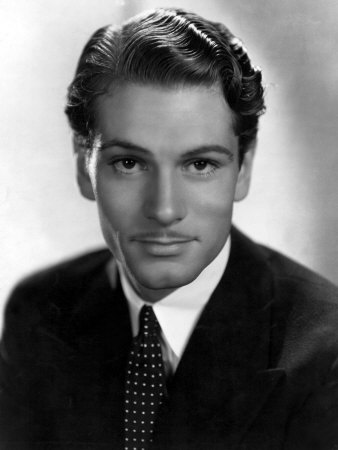
1907 – Actor Laurence Olivier (War Requiem, The Boys from Brazil, Brideshead Revisited, Carrie, The Jazz Singer, Peter the Great, Richard III, Spartacus) was born in Surrey, England.
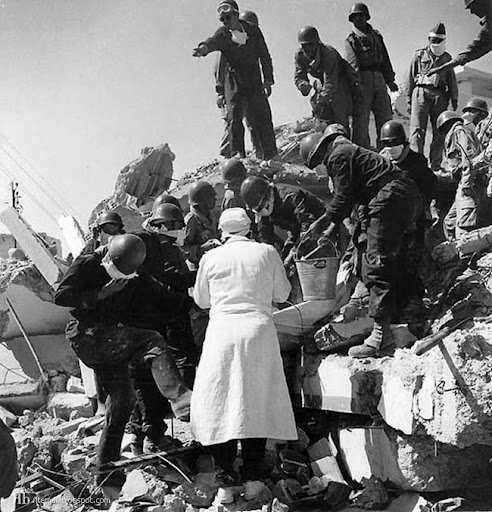
1960 – A 9.5-magnitude earthquake, the largest ever recorded, struck coastal Chile, killing 1,655 people and leaving more than 2,000,000 homeless. It also generated a massive series of tsunamis across the Pacific region that killed more than 2,000 more people.
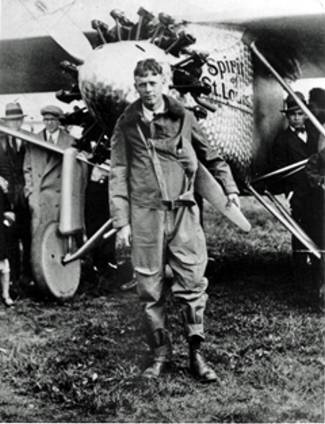
1927 – Charles Lindbergh took off from Roosevelt Field in New York aboard the small airplane Spirit of St. Louis, and arrived in Paris, France, thirty-one and a half hours later.
1985 – The Dow Jones industrial average broke the 1300 mark for the first time, gaining 19.54 points to close at 1304.88.
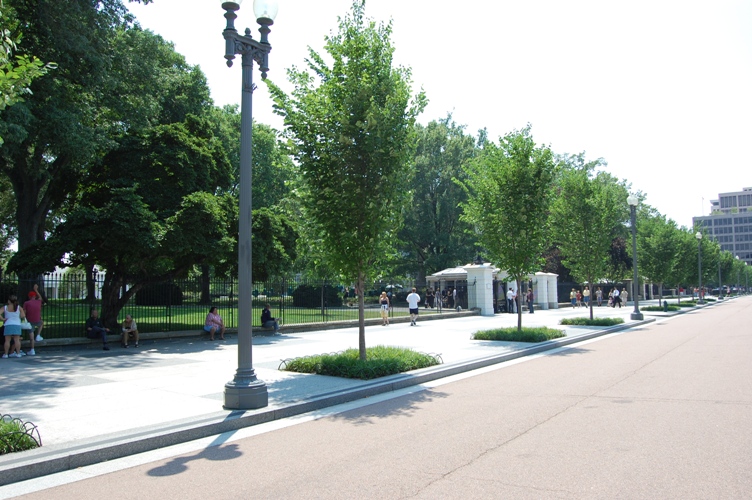
1995 – Under pressure from the Secret Service, President Bill Clinton authorized closure of a 2-block stretch of Pennsylvania Avenue in front of the White House to all non-pedestrian traffic.
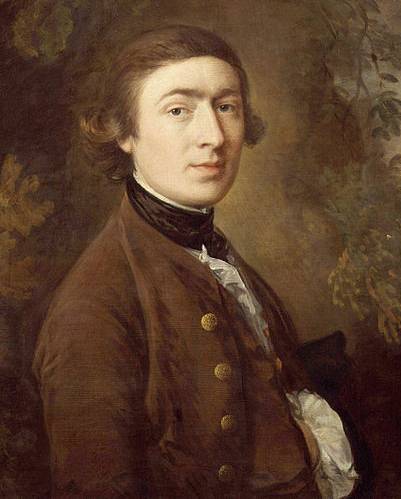
1727 – Artist Thomas Gainsborough (The Blue Boy, The Watering Place) was born in Suffolk, England.
1804 – One year after the United States doubled its territory with the Louisiana Purchase, the Lewis and Clark expedition left St. Louis, MO, on a mission to explore the Northwest from the Mississippi River to the Pacific Ocean.
1878 – The trademarked name Vaseline, for a brand of petroleum jelly, was registered by Robert A. Chesebrough.
1913 – John D. Rockefeller made the largest gift of money at the time by establishing the Rockefeller Foundation for $100,000,000. The foundation promotes “the well-being of mankind throughout the world.”
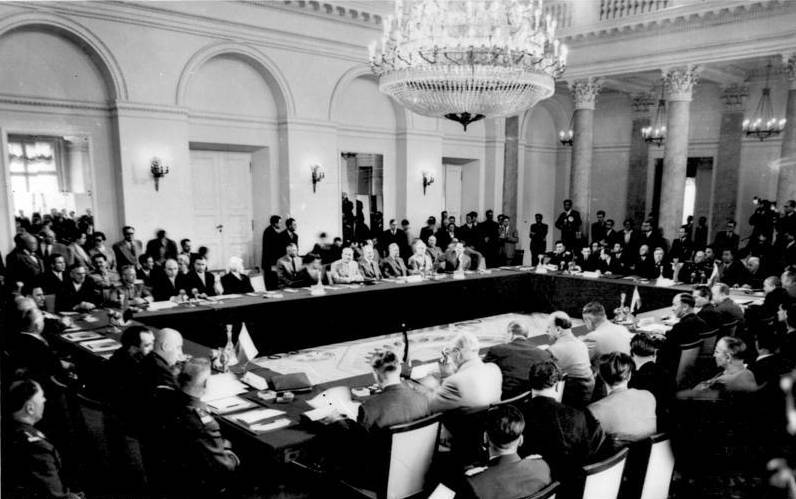
1955 – The Soviet Union and 7 of its European satellites signed a treaty establishing the Warsaw Pact, a mutual defense organization that put the Soviets in command of the armed forces of the member states.
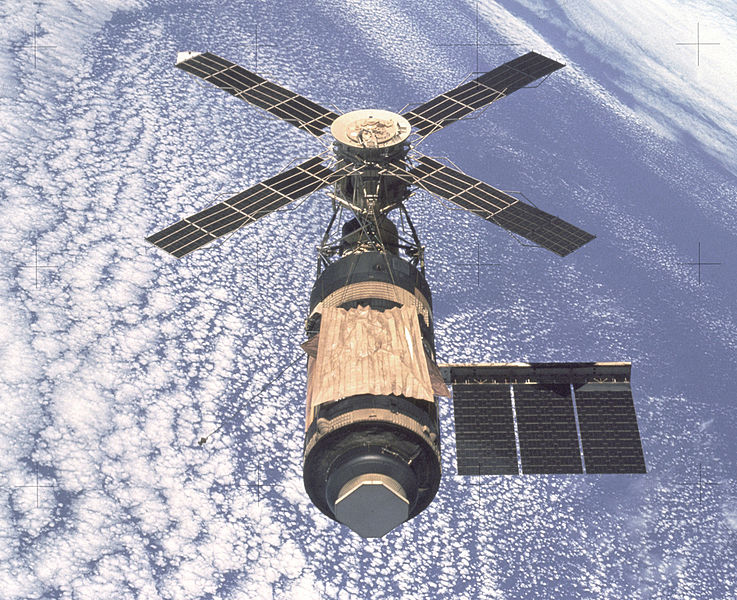
1973 – The U.S. successfully launched Skylab, the first American space station.
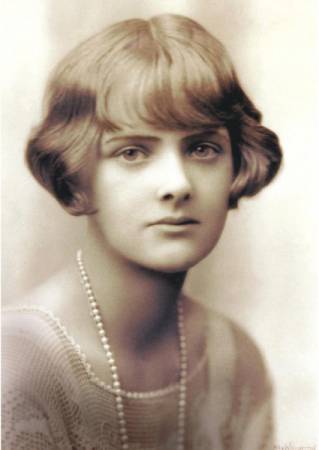
1907 – Writer Daphne du Maurier (Rebecca, The Loving Spirit) was born in London.
1949 – The first gas turbine to pump natural gas was installed in Wilmar, AR.
1958 – Vice-President Richard Nixon was attacked in Caracas, Venezuela, during his Latin America goodwill trip, nearly overturning the car in which he was riding. The mob was angry about U.S. Cold War policy.
1981 – Pope John Paul II was shot and wounded in St. Peter’s Square in Rome by Turkish terrorist Mehmet Ali Agca.
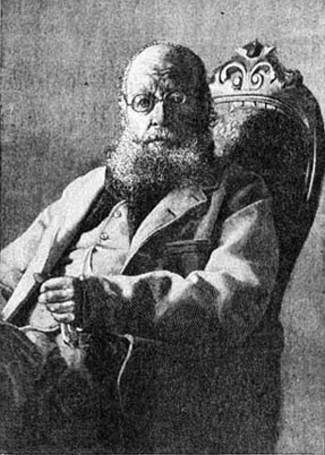
1812 – Poet and artist Edward Lear was born in Highgate, England.
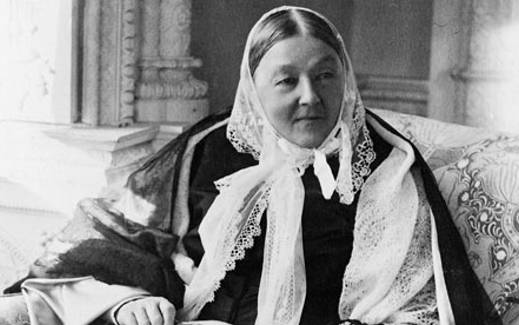
1820 – Health activist and nurse Florence Nightingale was born in Florence, Italy.
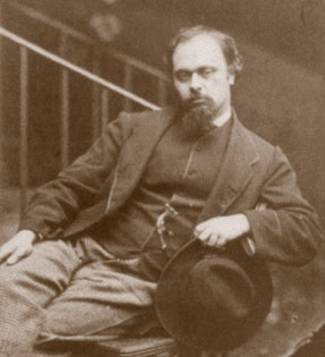
1828 – Writer and artist Dante Rossetti was born in London.
1831 – The first indicted bank robber in the U.S., Edward Smith, was sentenced to five years hard labor on the rock pile at Sing Sing Prison.
1847 – Mormon pioneer William Clayton invented the odometer.
1900 – Captain Mildred McAfee, 1st Director of the U.S. Navy WAVES (Women Accepted for Voluntary Emergency Service; Distinguished Service Medal, 1945, was born in Parkville, MO.
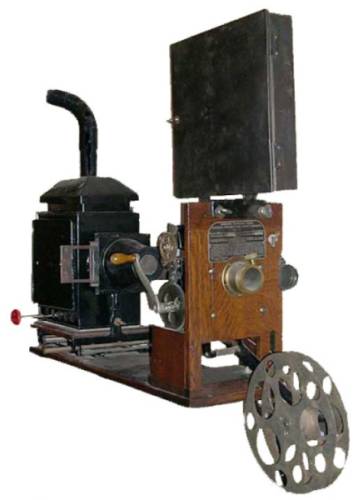
1903 – While visiting San Francisco, President Theodore Roosevelt became the first U.S. president to be photographed using moving picture film.
1928 – WGY-TV in Schenectady, NY, began the first schedule of regular TV programs, offering programming to its upstate New York audience three times a week using the mechanical scanning method.
1869 – The Union Pacific and Central Pacific railroads joined in Promontory, UT, making transcontinental railroad travel possible in the United States for the first time.
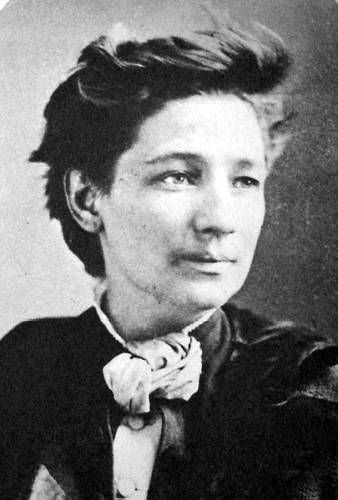
1872 – Victoria Claflin Woodhull became the first woman nominated to be President of the United States, when she was chosen for the ballot by the National Woman Suffrage Association in New York City.
1877 – President Rutherford B. Hayes had the White House’s first telephone installed in the mansion’s telegraph room.
1950 – L. Ron Hubbard published Dianetics: The Modern Science of Mental Health, which ultimately led to the development of a belief system called Scientology.



















 Chief Writing Wolf