Category Archives: History

On April 27…

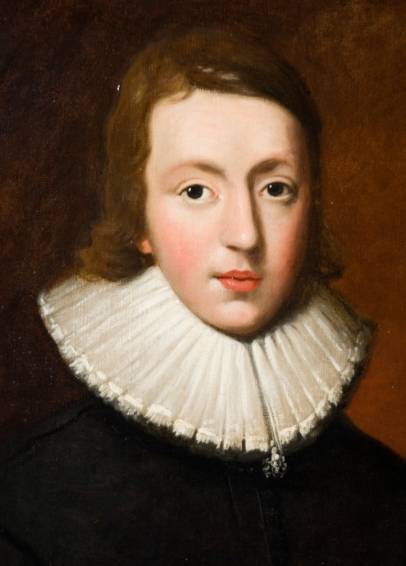
1667 – Blind poet John Milton sold the copyright to Paradise Lost for 10 pounds.
 

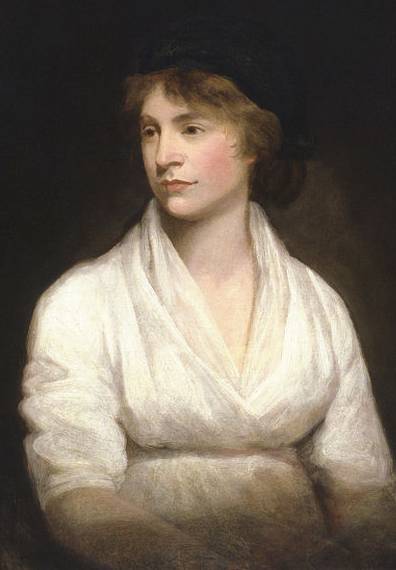
1759 – Author Mary Wollstonecraft Godwin (Vindication of the Rights of Women) was born in London.
 

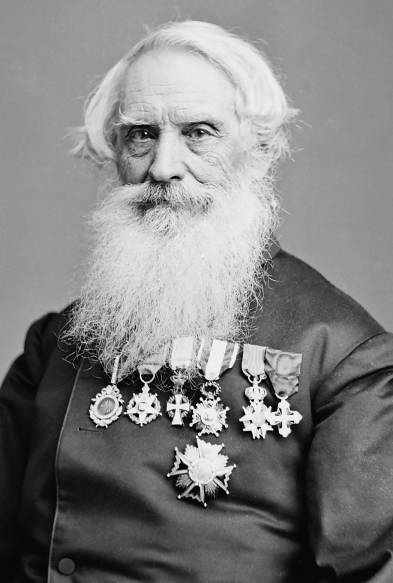
1791 – Samuel F.B. Morse, inventor of the electromagnetic telegraph, was born in Charlestown, MA.
 

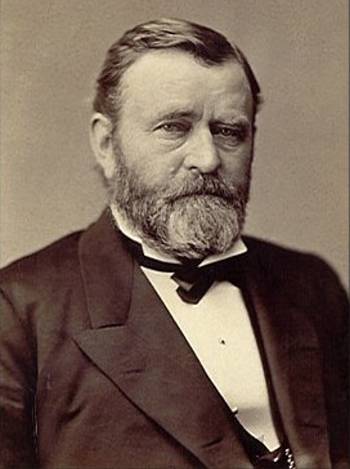
1822 – Ulysses S. Grant, 18th President of the United States, was born in Point Pleasant, OH.
 

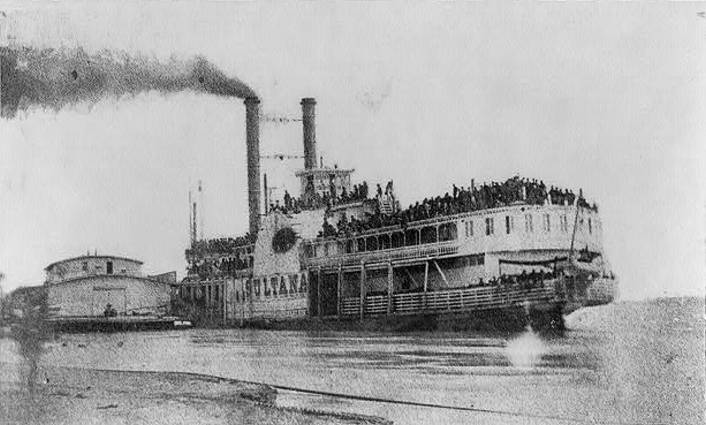
1865 – The steamship Sultana exploded on the Mississippi River, en route from New Orleans to Cairo, IL.  Around 1,700 passengers, including several discharged Union soldiers, died.  The cause of the explosion never was determined, and the disaster remains the worst of its kind in the U.S.
 

1994 – South Africa held its first multiracial parliamentary elections.

Leave a comment

Filed under History

On April 26…

1785 – Artist and ornithologist John James Audubon was born in Santo Domingo, now Haiti.


1803 – Between 2,000 and 3,000 meteorite stones, some weighing up to 20 pounds, rained down on L’Aigle in northeastern France.  The meteorites poured down along an 8-mile-long strip in this town, 100 miles west of Paris.  No one was hurt, but it was the first time scientists could verify that stones could come from outer space. 

1865 – John Wilkes Booth, President Abraham Lincoln’s assassin, was killed after Union troops tracked him to a Virginia farm. 

1888 – Author – playwright Anita Loos (Gentlemen Prefer Blondes, I Married an Angel, San Francisco, Saratoga, The Women) was born in Sissons, CA.


1900 – Seismologist Charles Francis Richter, inventor of the Richter scale for measuring the magnitude of earthquakes, was born in Hamilton, OH.


1921 – Weather broadcasts were heard for the first time on radio when WEW in St. Louis, MO, aired weather news.

1983 – For the first time, the Dow Jones industrial average moved over the 1200 mark, just two months after smashing the 1100 barrier.

1986 – In Pripyat, Ukraine, the Chernobyl atomic power station exploded in the worst nuclear accident in world history.  At least 31 people are known to have died immediately from the blast, but estimates put the final death toll in the thousands.  About 70,000 more were exposed to the radioactive material, as some 150,000 others had to be permanently relocated.

Leave a comment

Filed under History

On April 25…

1719 – Daniel Defoe published The Life and Strange Adventures of Robinson Crusoe.


1831 – The New York and Harlem Railway was incorporated in New York City. 

1859 – At Port Said, Egypt, ground is broken for the Suez Canal.


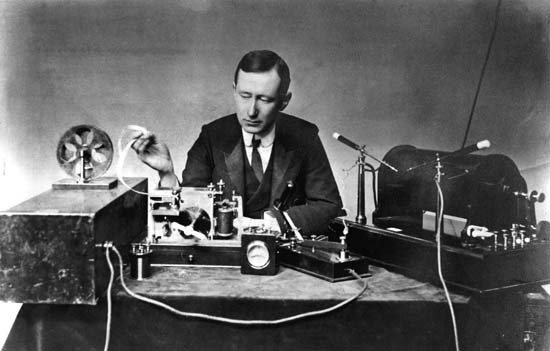
1874 – Guglielmo Marconi, inventor who helped propel wireless communications, was born in Bologna, Italy.


1908 – Journalist Edward R. Murrow was born in Greensboro, NC.


1917 – Singer Ella Fitzgerald was born in Newport News, VA.


1928 – The Seeing Eye foundation presented its first dog, Buddy, to Morris S. Frank.


1954 – The prototype manufacture of a new solar battery was announced by the Bell Laboratories in New York City.


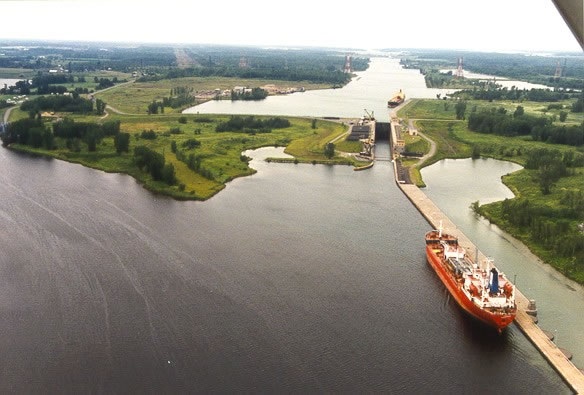
1959 – The St. Lawrence Seaway opened to traffic, saving shippers millions of dollars in transportation costs.


1967 – Colorado Governor John Love signed the first law legalizing abortion in the United States.  The law was limited to therapeutic abortions when agreed to, unanimously, by a panel of three physicians.

Leave a comment

Filed under History

On April 24…

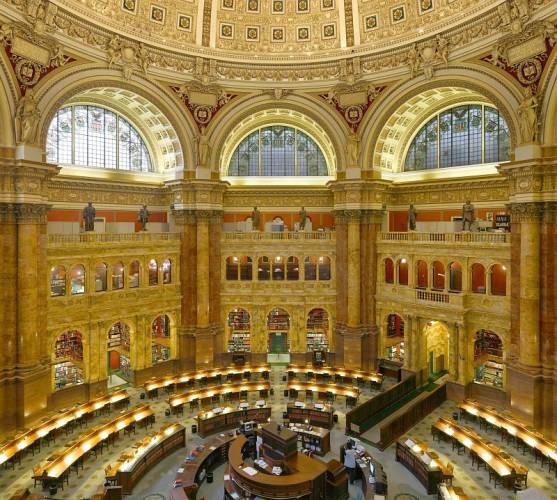
1800 – President John Adams approved legislation to establish the Library of Congress.
 

1898 – Spain declared war on the United States.  The U.S. responded in kind the next day.
 

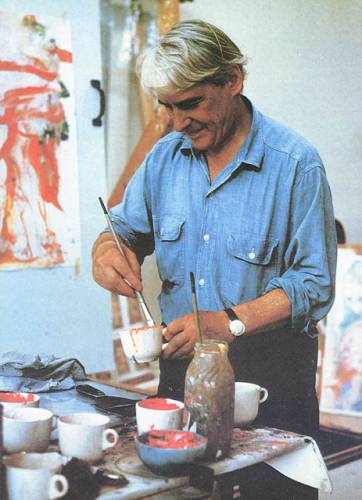
1904 – Painter Willem de Koonig was born in Rotterdam, Holland.


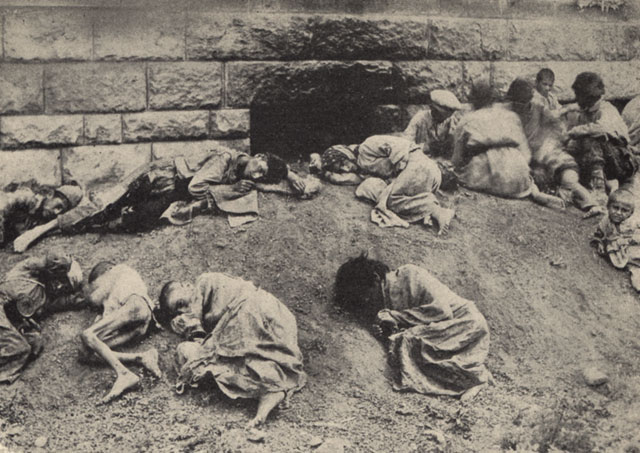
1915 – What’s regarded as the start of the Armenian genocide began as the Ottoman Empire rounded up Armenian political and cultural leaders in Constantinople.  It’s estimated between 1 million and 2 million ultimately died in the conflict that ended 8 years later.


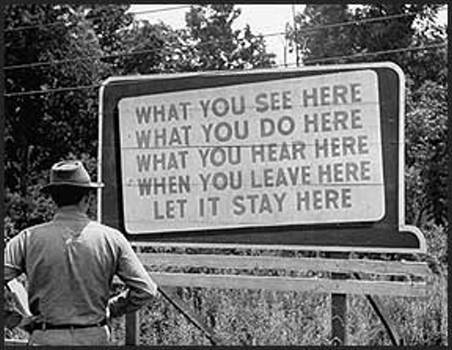
1945 – Less than 2 weeks after ascending to the presidency, Harry S. Truman learned the full details of the Manhattan Project, a scientific effort to create the world’s first atomic bomb.


1962 – The Massachusetts Institute of Technology achieved the first satellite relay of a television signal, using NASA’s Echo 1 balloon satellite to bounce a video image of the letters “M.I.T.” transmitted from Camp Parks, CA, to Westford, MA.

Leave a comment

Filed under History

On April 23…

1564 – Poet and playwright William Shakespeare was born in Stratford-upon-Avon, England.  He allegedly died on the same day 52 years later.


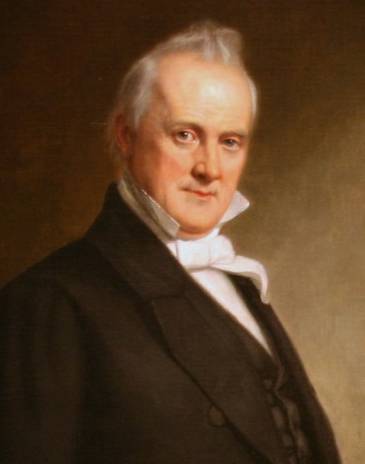
1791 – James Buchanan, 15th President of the United States, was born in Franklin County, PA.


1872 – Charlotte E. Ray became the first black woman lawyer in ceremonies held in Washington, D.C.

1891 – Pianist – composer Sergei Prokofiev (Peter and the Wolf, The Love for Three Oranges, The Fiery Angel, War and Peace) was born in Krasne, Ukraine.


1969 – Sirhan Sirhan was sentenced to death for assassinating Sen. Robert F. Kennedy the year before.

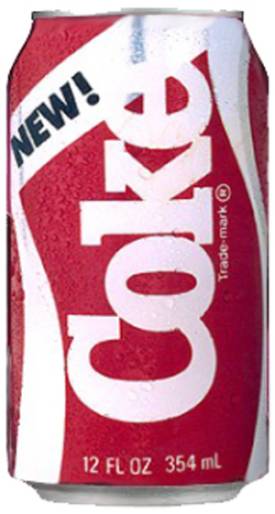
1985 – Coca-Cola announced it was changing its 99-year-old secret formula.  “New Coke” was called “the most significant soft drink development” in the company’s history.  But, original Coke fans weren’t enthusiastic and just didn’t buy the new Coke.  It turned out to be one of the biggest corporate flops ever.

Leave a comment

Filed under History

On April 22…

1724 – Philosopher Immanuel Kent was born in Königsberg, Prussia.

1864 – The U.S. Congress mandated that all coins minted as U.S. currency bear the inscription “In God We Trust.”

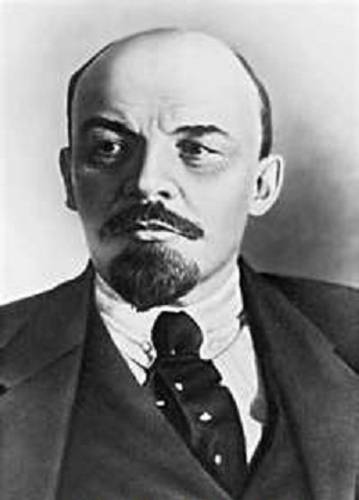
1870 – Vladimir Lenin, leader of the 1917 Russian Revolution, was born in Simbirsk, Russia.

1873 – Author Ellen Glasgow (The Descendants, Barren Ground) was born in Richmond, VA.

1889 – At exactly noon, the sound of a gunshot signaled thousands of settlers to rush into the Oklahoma Territory to claim pieces of cheap land.  The U.S. Federal government had purchased almost two million acres of land in Central Oklahoma from the Crete and Seminole Indians and opened it to the settlers to claim their stakes.

1904 – J. Robert Oppenheimer, who designed and built the first atomic bomb, was born in New York City.

1931 – James G. Ray landed a contraption known as the autogyro on the lawn of the White House.


1970 – The first Earth Day was observed in the U.S.


Leave a comment

Filed under History

On April 21…

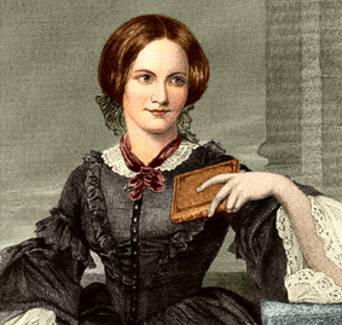
1816 – Author Charlotte Brontë (Jane Eyre) was born in Yorkshire, England.


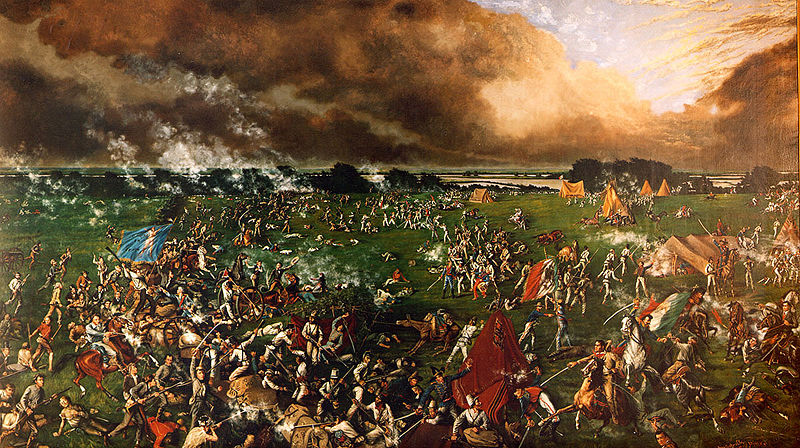
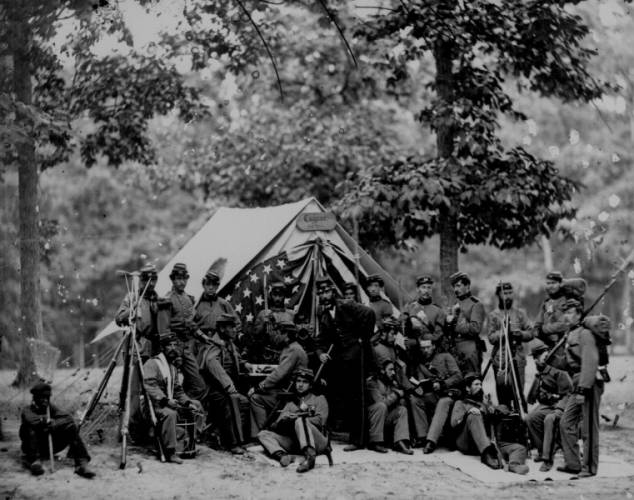
1836 – During the Texan War for independence, the Texas militia under Sam Houston launched a surprise attack against the Mexican army.

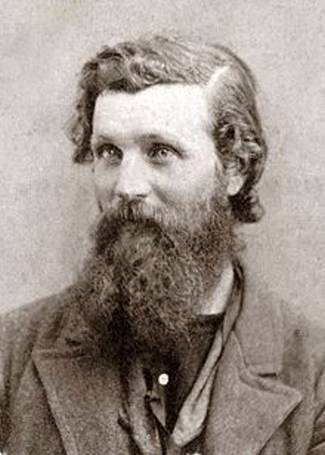
1838 – John Muir, an advocate for the protection of American wild lands, was born in Dunbar, Scotland.

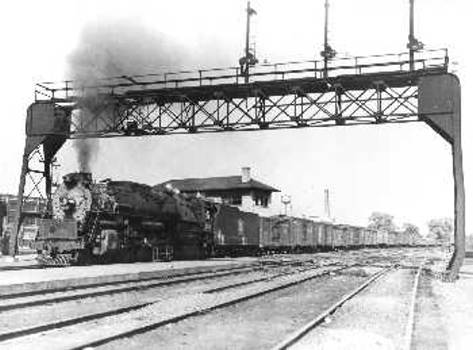
1856 – The first rail train to pass over the Mississippi River between Davenport, IA, and Rock Island, IL, made its journey across a newly completed bridge between the two rail centers.

1895 – Woodville Latham demonstrated the first use of a moving picture projected on a screen in New York City.

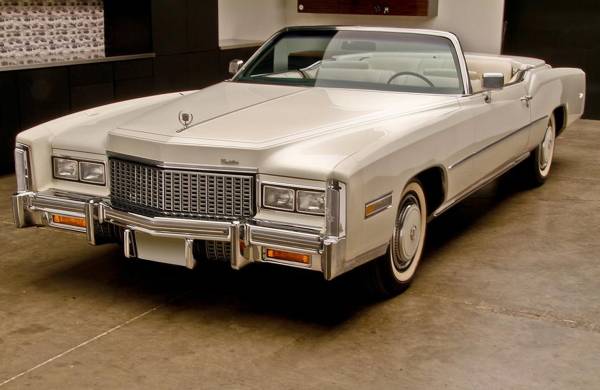
1976 – A Cadillac convertible, the ‘last’ American-made rag-top automobile, rolled off the assembly line at GM’s Cadillac production facility in Detroit, MI, ending a tradition that began in 1916.

1989 – Chinese students began protesting in Beijing’s Tiananmen Square to advocate for democratic reforms.


Leave a comment

Filed under History

On April 20…

1832 – The U.S. Congress and President Andrew Jackson made Hot Springs, AR, the first Federal Reservation in order to protect the hot springs flowing from the southwestern slope of Hot Springs Mountain.  It became a national park in 1872, and its name was changed to Hot Springs National Park in 1921.


1841 – Edgar Allan Poe published The Murders in the Rue Morgue, generally considered to be the first detective story.


1871 – Congress passed the Third Force Act, which authorized President Ulysses S. Grant to declare martial law impose heavy penalties against terrorist organizations, and use military force to suppress the Ku Klux Klan. 

1893 – Silent screen star Harold Lloyd was born in Burchard, NE.


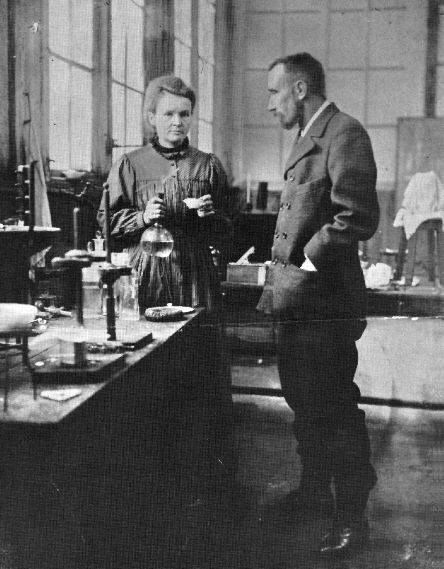
1902 – French scientists Marie and Pierre Curie successfully isolated radioactive radium salts from the mineral pitchblende in their Paris laboratory.


1961 – The Federal Communications Commission (FCC) gave approval for FM stereo broadcasting.

1999 – Dylan Klebold and Eric Harris unleash a barrage of terror on their high school, Columbine, in Littleton, CO, killing 12 students and a teacher, before killing themselves.

2010 – The Deepwater Horizon oil rig exploded, caught fire and sank in the Gulf of México, killing 11 men, injuring 17 others and releasing approximately 4.9 million barrels of oil into the water.

Leave a comment

Filed under History

On April 19…

1775 – The American Revolution began as 700 British troops seized seized a Patriot arsenal and marched into Lexington, MA.


1861 – The first casualties of the Civil War occurred when a secessionist mob in Baltimore attacked troops bound for Washington, D.C., killing 4 soldiers and 12 rioters.


1892 – The Duryea gasoline buggy was first driven in the United States.


1897 – The first annual Boston Marathon was held.


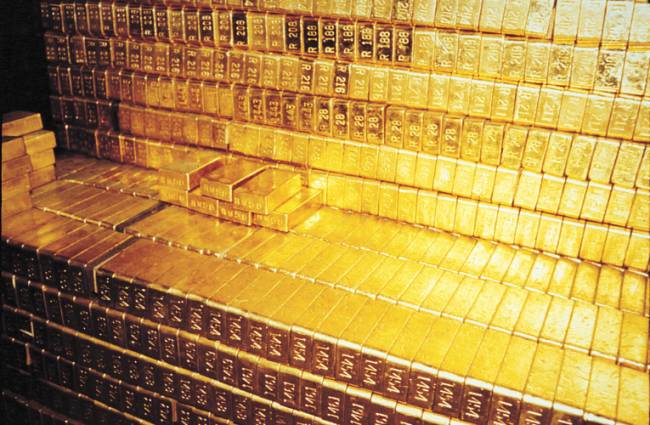
1933 – The U.S. abandoned the gold standard by revoking gold as the universal form of legal tender for national debts.


1951 – General Douglas MacArthur spoke before Congress.  His memorable address featured the statement: “Old soldiers never die; they just fade away.”

1993 – The Branch Davidian compound in Waco, TX, burned to the ground, ending a 51-day standoff between the religious cult and U.S. federal agents; 86 perished, including 17 children.

1995 – The Alfred P. Murrah Federal Building in Oklahoma City, OK, was destroyed by a bomb hidden in a rental truck; killing 168 people, including 19 children, and injuring 490 others.

Oklahoma City firefighter carried Baylee Almon away from the scene. Baylee passed away shortly after this picture was taken.


2000 – On the 5th anniversary of the Oklahoma City bombing, the Oklahoma City Memorial, designed by Hans and Torrey Butzer and Sven Berg, was dedicated at the site of the attack.  An expanse of green lawn and a 320-foot-long reflecting pool lined with black stone marks the memorial, along with 168 stone chairs, symbolic of tombstones and representing each victim.  A 70-year-old elm tree survived the bombing.  Known as “The Survivor Tree,” it’s now protected by the Rescuer’s Orchard.

Leave a comment

Filed under History

On April 18…

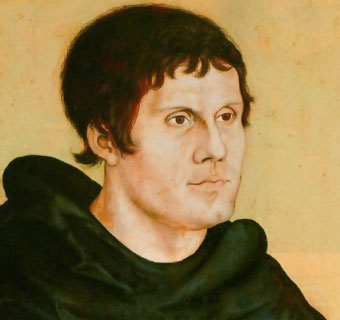
1521 – Martin Luther refused to recant his writings before an assembly of the Roman Catholic Church in Worms, Germany.


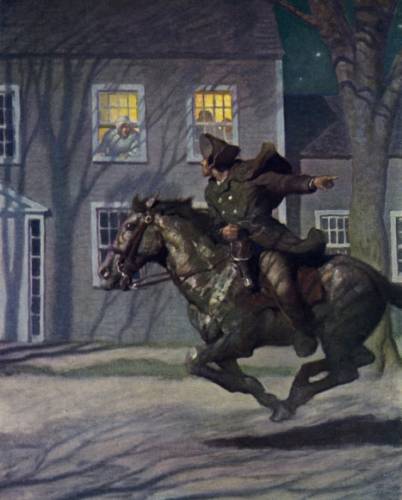
1775 – Paul Revere and William Dawes set out to warn residents of Lexington, MA, that British troops were marching out of Boston to confiscate American arsenal at Concord.


1906 – A massive earthquake, estimated to be 8.0 on the Richter scale, struck the San Francisco area at 5:12 A.M.  Felt from Oregon down to Los Angeles, the temblor killed some 3,000 people and destroyed about 30,000 structures.


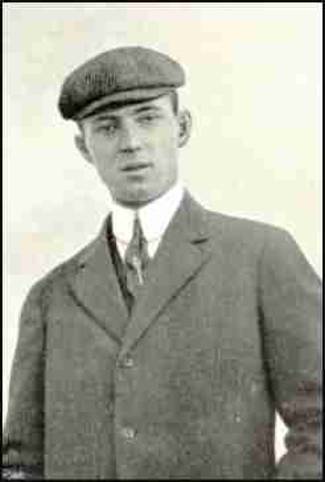
1910 – Walter R. Brookins made the first airplane flight at night, passing over Montgomery, AL.


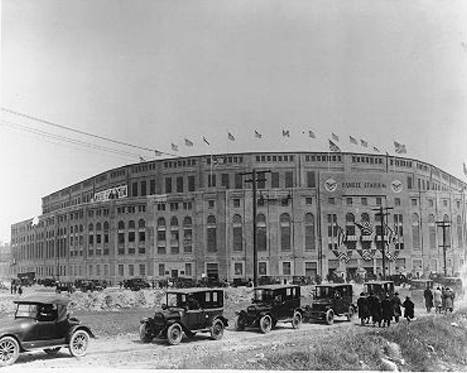
1923 – Yankee Stadium opened in the Bronx, NY as the hometown team, the NY Yankees, hosted the Boston Red Sox.


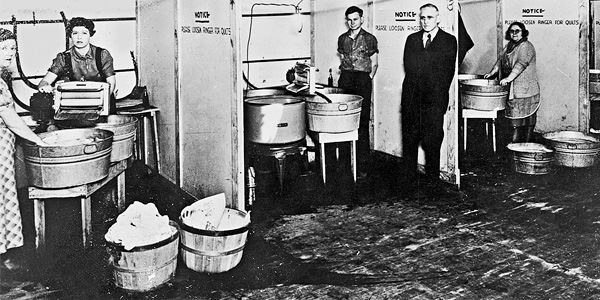
1934 – The first laundromat opened in Fort Worth, TX.


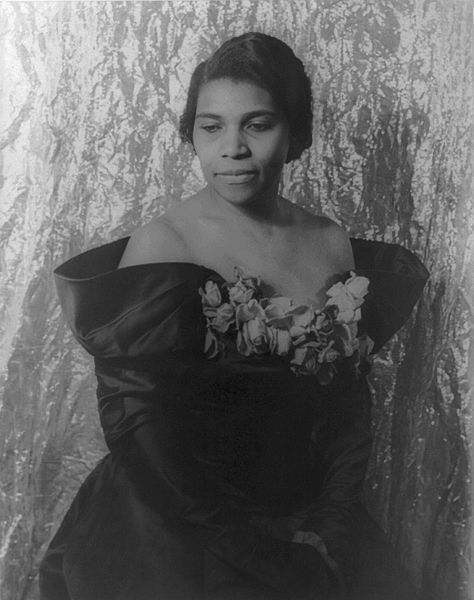
1965 – Contralto Marian Anderson ended her 30-year singing career with a concert at Carnegie Hall in New York City.

Leave a comment

Filed under History