Category Archives: History

On March 8…

1669 – Mount Etna on the island of Sicily began erupting, ultimately killing more than 20,000 people.


1855 – A train passed over the first railway suspension bridge – at Niagara Falls, NY.

1887 – The telescopic fishing rod, made of steel tubes inside one another, was patented by Everett Horton.

1894 – The state of New York enacted the first dog license law in the U.S.  It cost dog owners a $2 annual fee per pooch in cities with a population over 1,200,000.

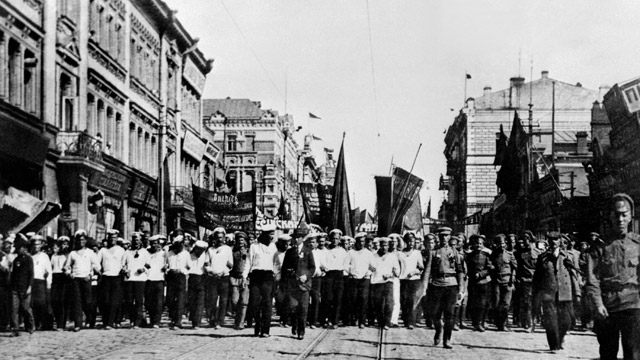
1917 – In Russia, the February Revolution (known as such because of Russia’s use of the Julian calendar) began when riots and strikes over the scarcity of food erupted in Petrograd.  One week later, centuries of czarist rule in Russia ended with the abdication of Nicholas II.
 

1950 – The Volkswagen “microbus” goes into production.

 

1953 – A U.S. Census Bureau report indicated that 239,000 farmers had quit tilling the soil and planting crops (giving up farming) over the previous two years.

1957 – Egypt re-opens the Suez Canal to international traffic, following Israel’s withdrawal from the occupied territory.

 

1962 – The Beatles – then made up of John Lennon, Paul McCartney, George Harrison and Pete Best – performed for the first time on the BBC in Great Britain.

 

1965 – The U.S. landed its first combat troops in South Vietnam, as 3,500 Marines arrived in Da Nang to defend the U.S. air base.


1985 – The Internal Revenue Service (IRS) discovered that 407,700 Americans were millionaires – more than double the total of just five years before.
 

Leave a comment

Filed under History

On March 7…

1854 – Charles Miller received a patent for the sewing machine that stitches buttonholes.

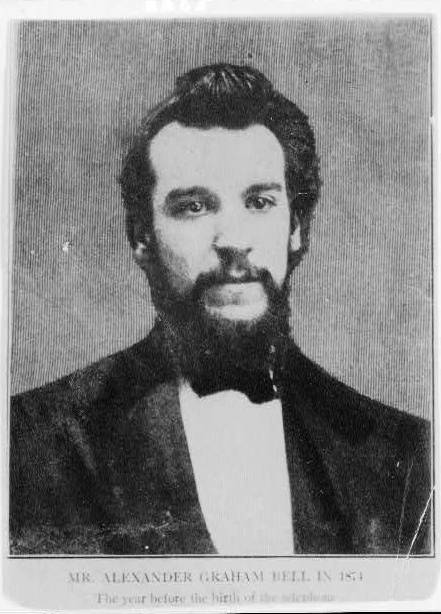
1876 – Alexander Graham Bell of Salem, MA received a patent for his invention – the telephone.  Bell initially called his device a “harmonic telegraph.”


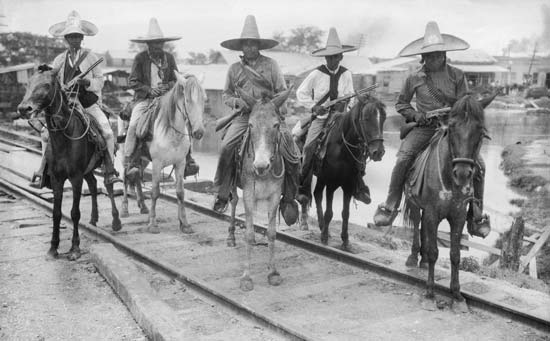
1911 – President William H. Taft ordered 20,000 troops to patrol the U.S. – México border in response to the Mexican Revolution.


1911 – Willis Farnsworth of Petaluma, CA received a patent for the coin-operated locker.

1918 – Finland became an independent nation upon reaching a peace settlement with Germany.


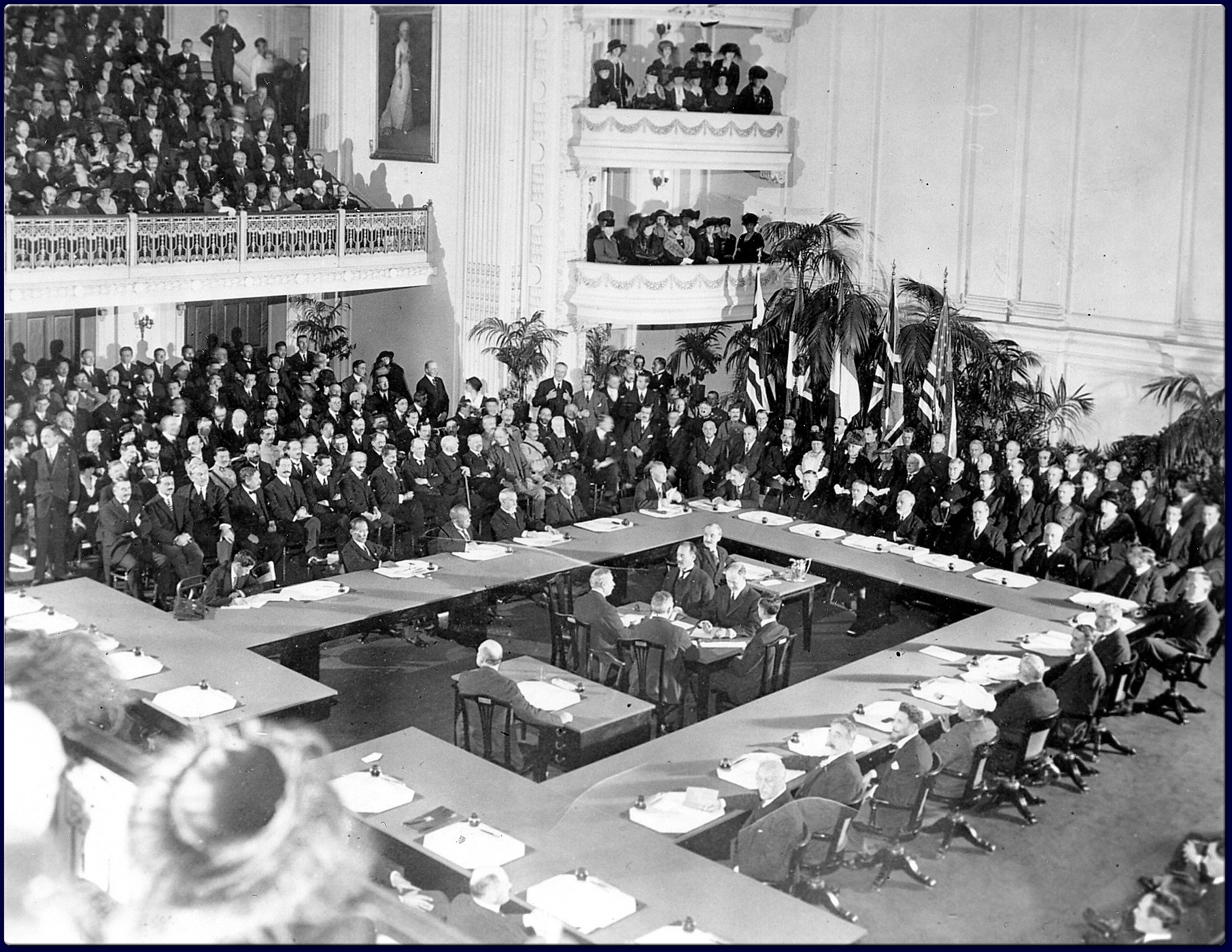
1936 – Adolph Hitler violated the 1919 Treaty of Versailles by sending German military forces to occupy the Rhineland, a demilitarized zone along the Rhine River in western Germany.


1954 – Russia defeated Canada 7-2 to capture the world ice-hockey title in Stockholm, Sweden.  It marked the first time that Russia participated in the ice-hockey competition and started a dynasty – until being checked by Team USA in the 1980 Winter Olympics at Lake Placid, NY.

1965 – Alabama state troopers and a sheriff’s posse broke up a march by civil rights demonstrators in Selma.


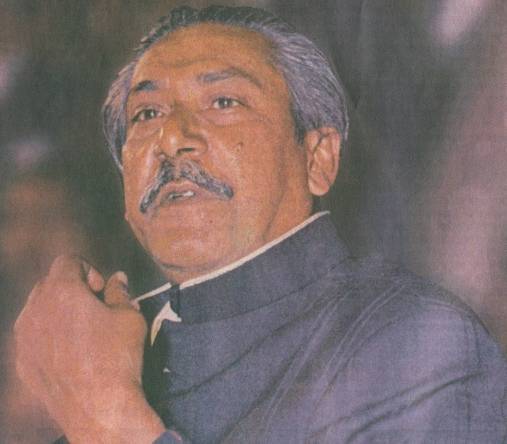
1973 – Sheikh Mujib Rahman became Bangladesh’s first democratically elected leader.


1987 – World Boxing Council (WBC) heavyweight champ, ‘Iron’ Mike Tyson, became the youngest heavyweight titlist ever as he beat James Smith in a decision during a 12-round bout in Las Vegas.

1994 – In Campbell vs. Acuff-Rose Music Inc., the U.S. Supreme Court ruled that a parody mocking an original work can be considered “fair use” and doesn’t require the copyright holder’s permission.

2010 – Kathryn Bigelow became the first woman to win a Best Director Oscar for her work on 2009’s The Hurt Locker.


Leave a comment

Filed under History

On March 6…

1475 – Artist and sculptor Michelangelo de Lodovico Buonarroti Simoni (Sistine Chapel, David) was born.

1646 – Joseph Jenkes of Massachusetts received the first official patent in the Western Hemisphere.  Although handwritten, the patent was granted for a water engine prototype.


1808 – The first college orchestra was founded at Harvard University in Cambridge, MA.

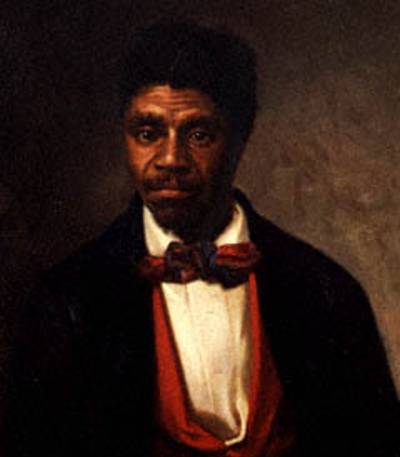
1857 – The U.S. Supreme Court rules in the Dred Scott case, Sanford v. Dred Scott, stating that slaves didn’t have the right to sue for their freedom.


1899 – German pharmaceutical company Friedrich Bayer & Co. receives a patent for acetylsalicylic acid, aka aspirin.

1947 – The USS Newport News was launched from a shipbuilding yard at Newport News, VA.  It was the first air-conditioned naval ship.


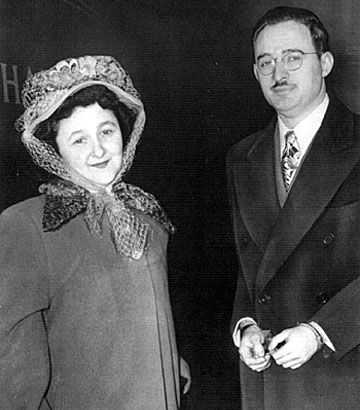
1951 – Ethel and Julius Rosenberg went on trial in New York on espionage charges.

1964 – Tom O’Hara ran the mile in 3 minutes, 56.4 seconds, setting a world indoor record in Chicago, IL.

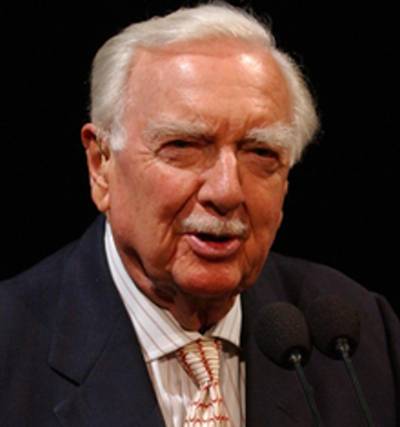
1981 – Walter Cronkite, the dean of American television newscasters, said “And that’s the way it is” for the final time, as he closed the CBS Evening News with Walter Cronkite.  An audience estimated at 17,000,000 viewers saw ‘the most trusted man in America’ sign-off.

1982 – The most points scored by two teams in the National Basketball Association made history.  San Antonio beat Milwaukee 171-166 in three overtime periods to set the mark.

1983 – The United States Football League began its first season of professional football competition.  Fans didn’t support the new spring league opposition to the National Football League and, as a result, team names such as the Bandits, Breakers, Blitz, Invaders and Wranglers were relatively short-lived.  The USFL lasted two seasons, forced to fold amid controversy, low fan acceptance and lower television ratings.

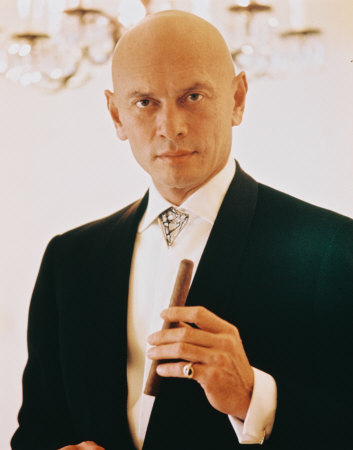
1985 – Yul Brynner played his famous role as the king in The King and I in his 4,500th performance in the musical.  The actor, then age 64, had opened the successful production on Broadway in 1951.


Leave a comment

Filed under History

On March 5…

1750 – The first Shakespearean play was presented in America, when the Nassau Street Theatre in New York City staged King Richard III.


1770 – A mob of American colonists gathered at the Customs House in Boston and began taunting British soldiers guarding the building in protest of the English occupation of the city.  The British retaliated, which resulted in the “Boston Massacre.”


1815 – Franz Anton Mesmer, a physician who pioneered the practice of hypnotism, died in Meersburg, Germany.

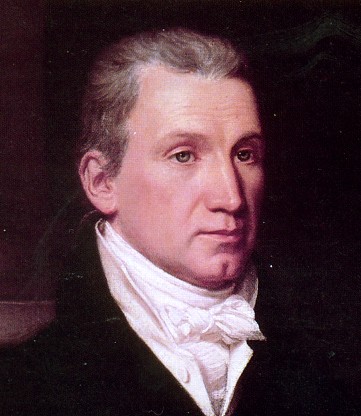
1821 – James Monroe became the first President of the United States to be inaugurated on March 5th.  The usual inauguration date of March 4th fell on a Sunday that year, and a President cannot be inaugurated on the Sabbath.  It’s still the law, even though the Inauguration Day was officially set back to January 20th.


1872 – George Westinghouse patented the air brake.

1923 – Old-age pension laws were enacted in the states of Montana and Nevada.

1946 – Winston Churchill delivered his famous “Iron Curtain Speech” in Fulton, MO, which included the line, “From Stettin in the Baltic to Trieste in the Adriatic, an iron curtain has descended across the Continent.”


1953 – Joseph Stalin, leader of the Soviet Union, died in Moscow.


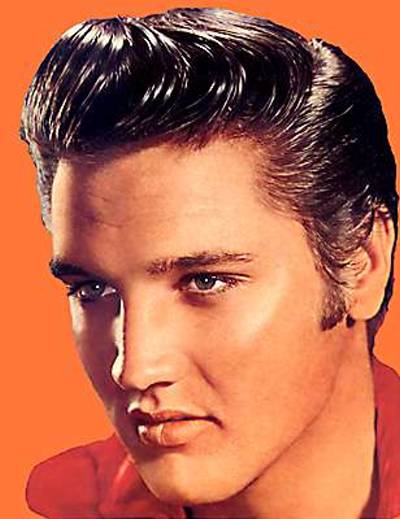
1960 – Elvis Presley returned to civilian life after a two-year hitch in the U.S. Army.


1963 – Patsy Cline, Lloyd “Cowboy” Copas and Harold “Hawkshaw” Hawkins were killed in a plane crash at Camden, TN, near Nashville.


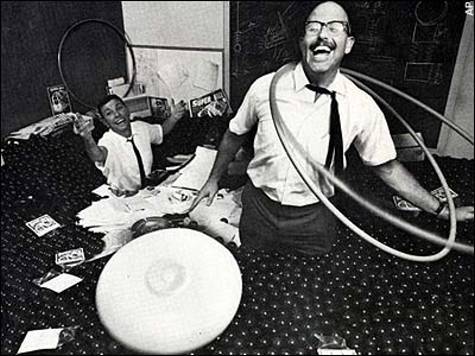
1963 – Arthur Melin patented the Hula-Hoop.


1969 – The rock magazine, Creem, debuted.

1984 – The Los Angeles Express of the United States Football League signed quarterback Steve Young, from Brigham Young University, to a “substantial” contract.  Young inked a pact that would earn him $40 million dollars over a 43-year period, in one of the most complicated contracts ever – lasting until 2027.  The USFL folded not long after he signed the deal.

1985 – Mike Bossy of the New York Islanders became the first National Hockey League player to score 50 goals in eight consecutive seasons.


Leave a comment

Filed under History

On March 4…

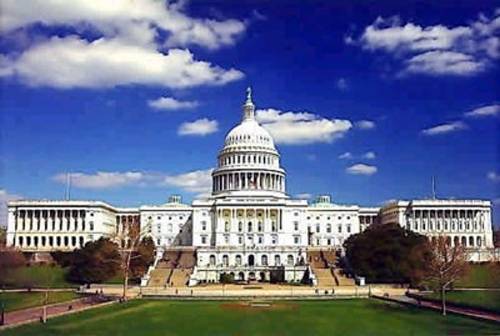
1789 – The first session of the United States Congress opened in New York City.


1791 – Vermont became the 14th state admitted to the union.

1880 – Halftone engraving was used for the first time as the Daily Graphic was published in New York City.

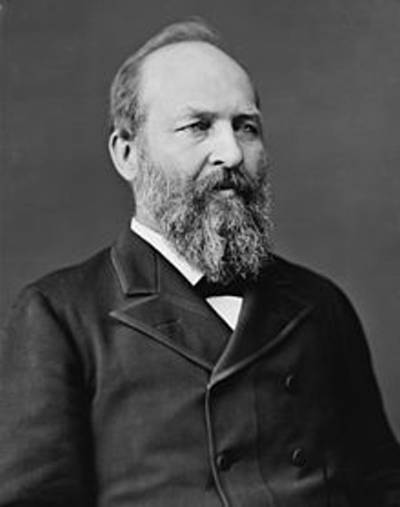
1881 – Eliza Ballou Garfield became the first mother of a U.S. President to live in the executive mansion.  She moved into the White House with her son James, the President.


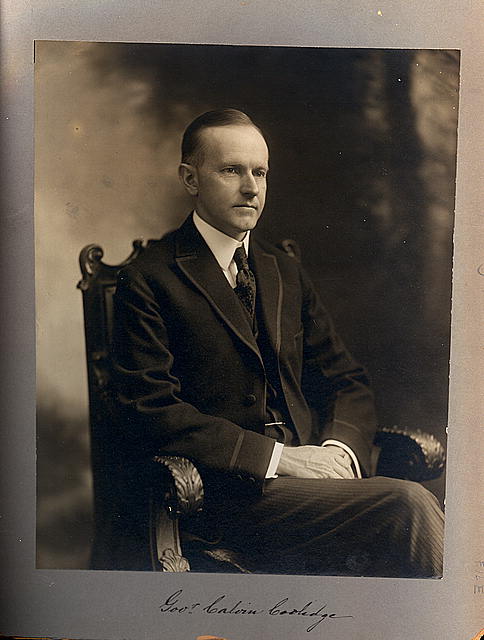
1925 – Calvin Coolidge took the oath of office in Washington, D.C.  The presidential inauguration was broadcast on radio for the first time.


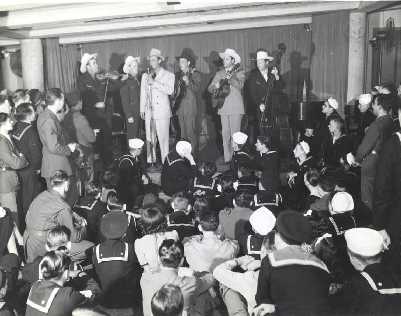
1942 – The Stage Door Canteen opened on West 44th Street in New York City.  The canteen became widely known as a service club for men in the armed forces and a much welcomed place to spend what would otherwise have been lonely hours.  The United Service Organization (USO) grew out of the ‘canteen’ operation, to provide entertainment for American troops around the world.


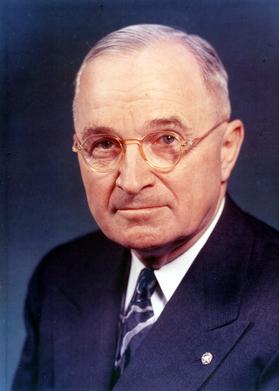
1952 – President Harry Truman dedicated the Courier, the first seagoing radio broadcasting station, in ceremonies in Washington, D.C.


Leave a comment

Filed under History

On March 3…

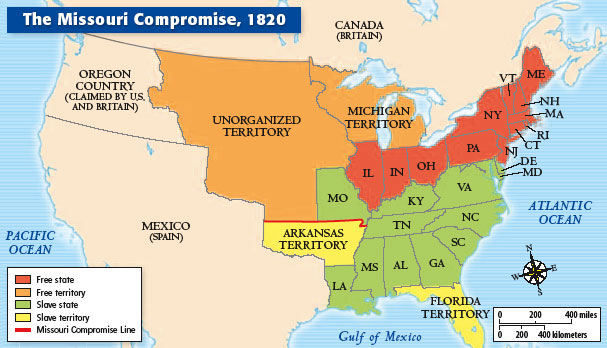
1820 – Congress passed the Missouri Compromise, a bill that temporarily resolved political clashes between pro- and antislavery interests by granting statehood to Missouri and forbidding slavery north of the 36th parallel.


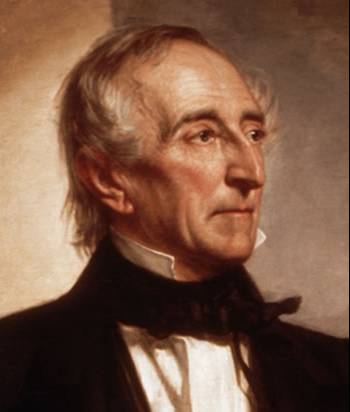
1845 – Congress overrode a presidential veto for the first time.  President John Tyler had vetoed a Congressional bill that would have denied him the power to appropriate federal funds to build revenue-cutter ships without Congress’ approval.  With the override, Congress insisted that the executive branch get the legislature’s approval before commissioning any new military craft.


1845 – Florida became the 27th state.

1863 – Congress passed a conscription act that produced the first wartime draft of U.S. citizens; all males aged 20 – 45 had to register by April 1 that year.

1873 – Congress passed the Comstock Act, making it illegal to send any “obscene, lewd, or lascivious” material through the mail.

1875 – The first indoor game of ice hockey was played in Montréal, Québec.

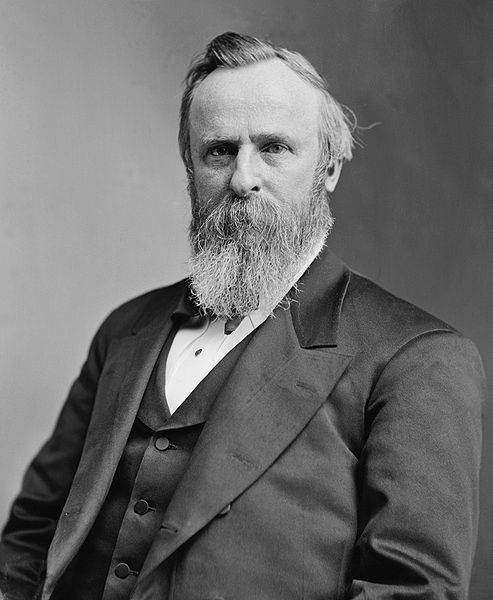
1877 – Rutherford B. Hayes is sworn in as the nation’s 19th president in a private White House ceremony.


1879 – Congress created the U.S. Geological Survey, an organization that played a significant role in the exploration of the West.

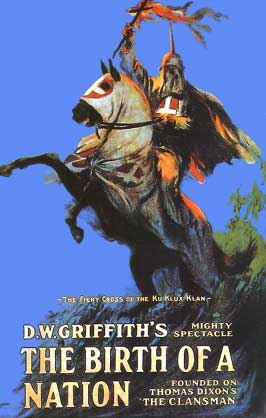
1915 – Director D.W. Griffith’s controversial Civil War epic The Birth of a Nation debuted in New York City.  At 2 hours and 40 minutes, it was unusually long for its time and utilized then-revolutionary filmmaking techniques, such as editing, multiple camera angles and close-ups.


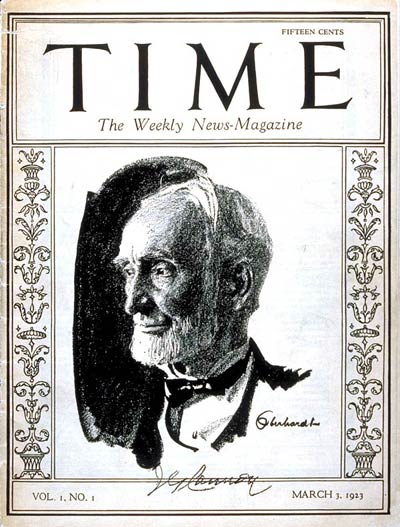
1923 – The first issue of Time magazine appeared on newsstands.


1931 – The Star-Spangled Banner, written by Francis Scott Key, officially became the national anthem of the United States.

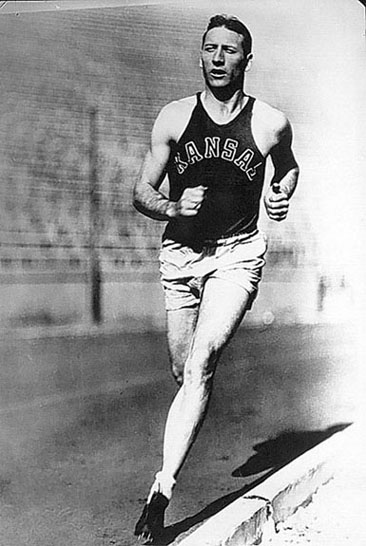
1938 – A world record for the indoor mile run was set at Dartmouth College in Hanover, NH.  Glenn Cunningham made the distance in 4 minutes, 4.4 seconds.


Leave a comment

Filed under History

On March 2…

1807 – Congress passed an act to abolish the slave trade. 

1861 – Texas declared its independence and seceded from the union.


1866 – The Excelsior Needle Company of Wolcottville, Connecticut began making sewing machine needles.

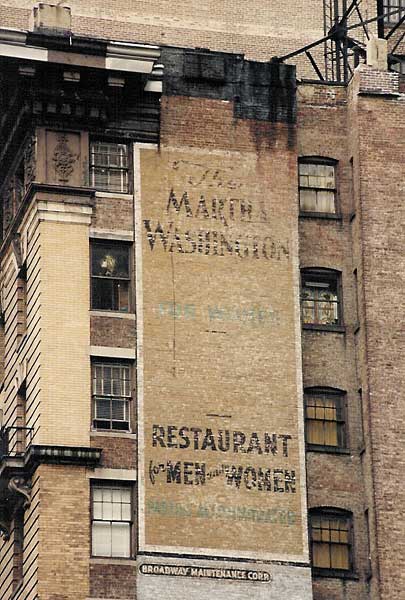
1903 – The Martha Washington Hotel opened for business in New York City. The hotel featured 416 rooms and was the first hotel exclusively for women, although men could dine in the restaurant.


1904 – Theodor Geisel, better known as Dr. Seuss, was born in Springfield, MA.


1917 – President Woodrow Wilson signed the Jones-Shafroth Act, which granted U.S. citizenship to Puerto Ricans.

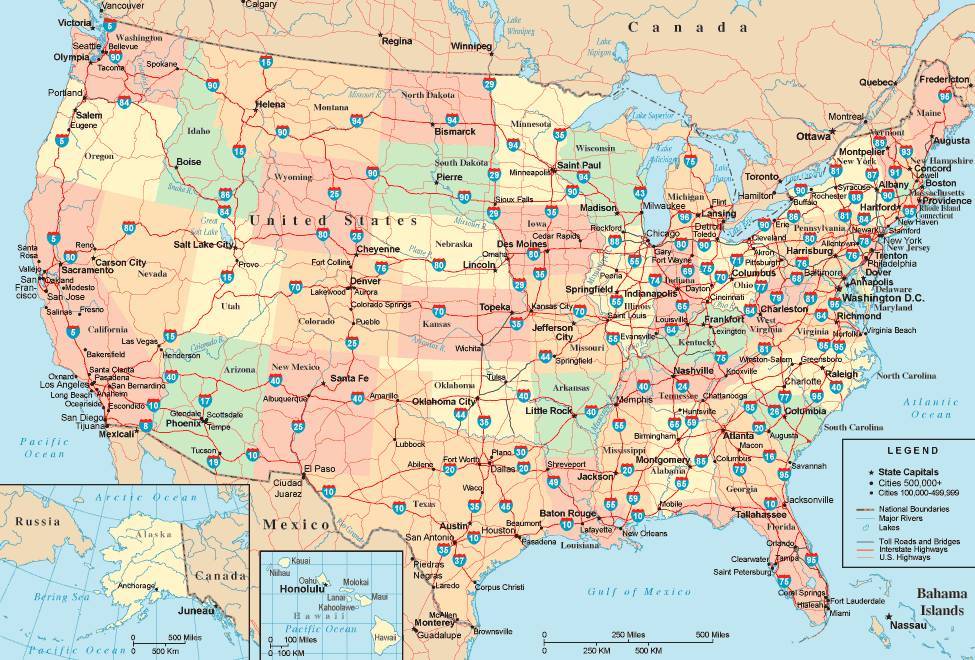
1925 – State and federal highway officials developed a nationwide route-numbering system and adopted the familiar U.S. shield-shaped numbered marker.  For example, in the east, there is U.S. 1 that runs from New England to Florida and in the west, the corresponding highway, U.S. 101, from Tacoma, WA to San Diego, CA.


1927 – Babe Ruth signed a 3-year contract with the New York Yankees for a guarantee of $70,000 a year, thus becoming baseball’s highest paid player.


1929 – Congress passed the Jones Act, which banned the actual consumption of alcohol.

1940 – W2XBS broadcast the first televised intercollegiate track meet on TV from Madison Square Garden in New York City.

1944 – A freight train carrying more than 650 people stopped in a tunnel in the Apennine Mountains near Salerno, Italy.  Whether the engineers stopped it, or the train stalled is unknown, but with engines idling, more than 500 of the passengers on board suffocated to death.


1958 – British geologist Dr. Vivian Fuchs reached McMurdo Sound in the Ross Sea, thus completing the first crossing of Antarctica by land.  As a part of the International Geophysical Year, the Commonwealth of Nations organized the expedition, which covered 2,158 miles.


1962 – Wilt ‘The Stilt’ Chamberlain scored 100 points and broke an NBA record as the Philadelphia Warriors beat the New York Knicks 169-147.

1972 – NASA launched Pioneer 10 to Jupiter.


1974 – U.S. postage stamps jumped from eight to ten cents for first-class mail.

1978 – Two men stole the body of Charlie Chaplin from a cemetery in Corsier-sur-Vevey, Switzerland.  Police eventually arrested the men on May 17 and recovered Chaplin’s remains.


1987 – Government officials reported that the median price for a new home had topped $100,000 for the first time.  The new figure price of $110,700 was up from $94,600.

Leave a comment

Filed under History

On March 1…

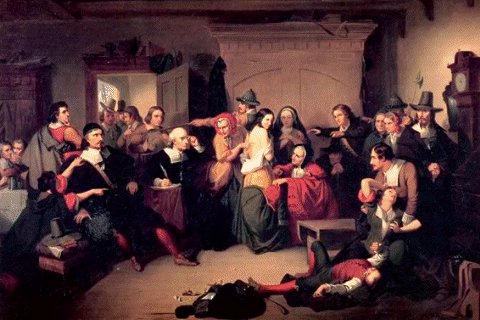
1692 – The Salem witch hunt began in the Massachusetts colony when 3 women were charged with practicing witchcraft.


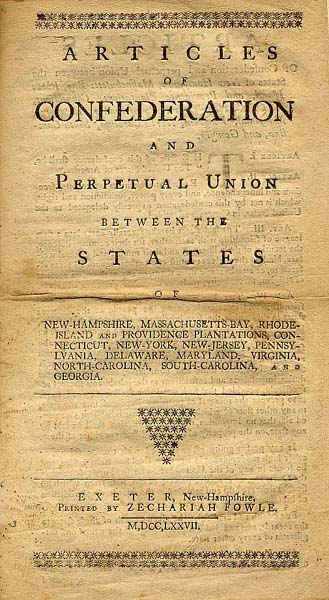
1781 – The Articles of Confederation were finally ratified when Maryland approved them.


1803 – Ohio became the 17th state to enter the union.

1867 – Nebraska became the 37th state to enter the union.

1869 – Postage stamps depicting scenes were issued for the first time in the U.S.

1872 – President Ulysses S. Grant signed a bill creating Yellowstone, the nation’s first national park.


1873 – E. Remington and Sons of Ilion, NY began the manufacturing of the first practical typewriter.  The strong as steel, heavy black clunkers became instant fixtures in offices across the country.  It would be another half-century before electric typewriters made their appearance.

1890 – Readers picked up copies of the Literary Digest for the first time.


1912 – Captain Albert Berry of the Jefferson Barracks in St. Louis, MO made the first parachute jump from a moving airplane at an altitude of 1,500 feet and a speed of 50 mph.

1932 – The baby of Charles and Anne Lindbergh was kidnapped from the family home in Hopewell, NJ.

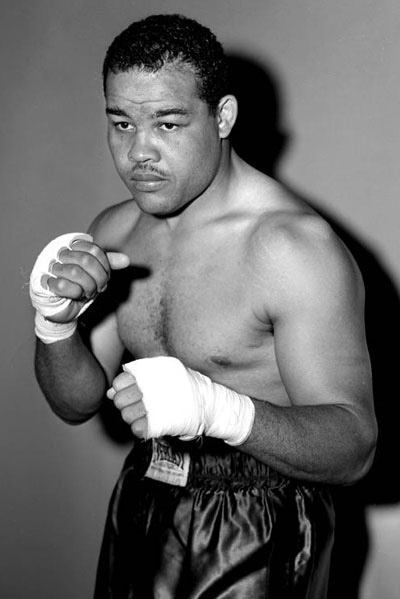
1949 – Boxer Joe Louis, ‘The Brown Bomber,’ announced he was retiring from boxing as world heavyweight boxing champion.  Louis held the title longer than any other champ – 11 years, eight months and seven days.


1954 – Four members of an extremist Puerto Rican group shot at the floor of the House of Representatives from the visitors’ gallery, injuring 5 Congressmen.

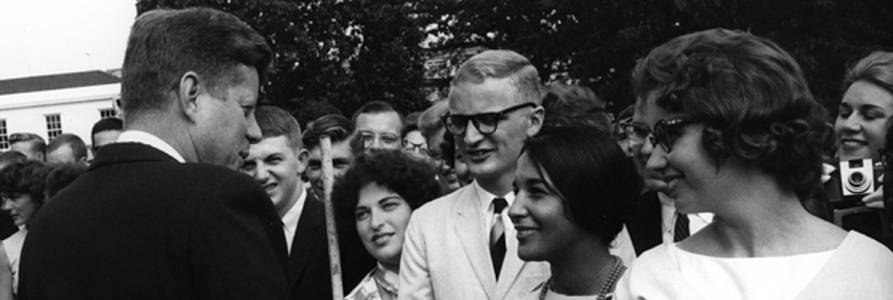
1961 – President John F. Kennedy established the Peace Corps.


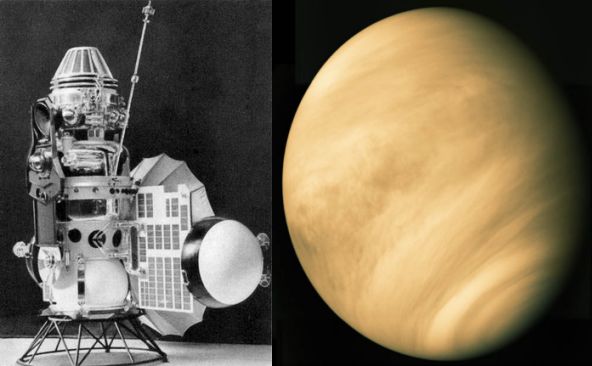
1966 – Venera 3, a Soviet probe launched Kazakhstan the previous year crashed into Venus, becoming the first unmanned spacecraft to reach the surface of another planet.


1969 – Mickey Mantle announced his retirement from baseball.

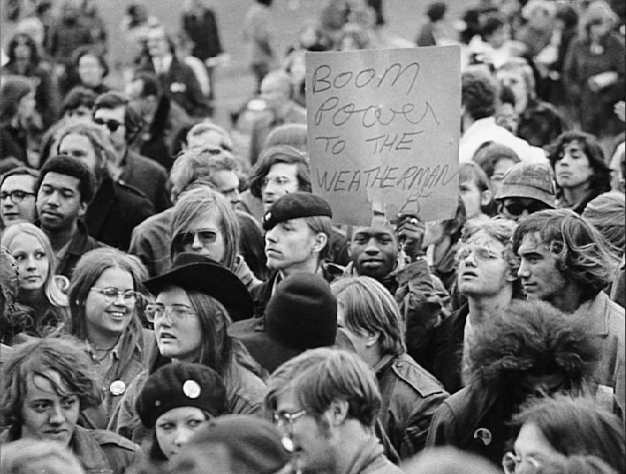
1971 – The Weather Underground set off a bomb in a restroom in the Senate wing of the Capitol, causing $300,000 in damages, but injuring no one.


1987 – S&H Green Stamps became S&H Green Seals, 90 years after the lick-and-stick stamps were introduced as a way for businesses to bonus their customers – who then used the stamps to buy merchandise from catalog stores.  The stamps became peel-and-seal stamps along with the name change.


1999 – Some 130 nations agreed to a United Nations Treaty banning land mines which went into effect this day.  The U.S., Russia and China did not sign the treaty.


Leave a comment

Filed under History

On February 29…

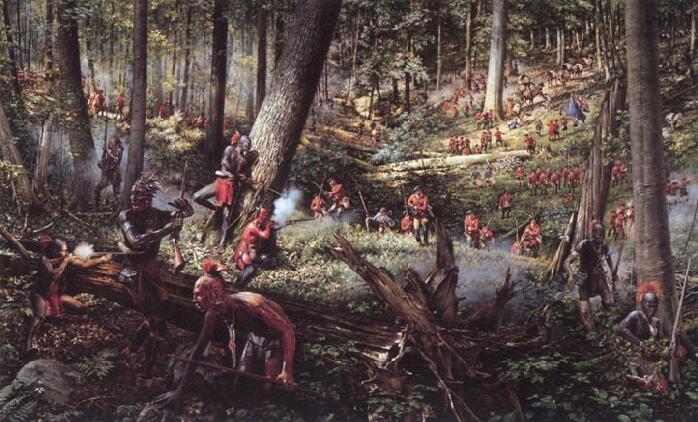
1704 – A force comprised of Native Americans and French Canadians attacked the town of Deerfield, MA to retrieve their church bell that had been shipped from France.  The town was burned to the ground and more than 100 people were massacred in what was part of the second of the “French and Indian Wars.”


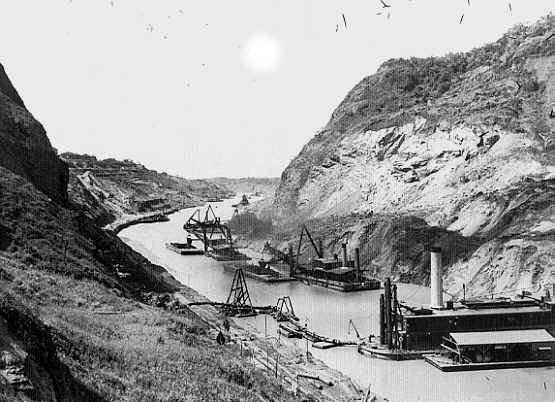
1904 – President Theodore Roosevelt created a seven-man commission to hasten the construction of the Panama Canal.


1920 – Miklos Horthy de Nagybanya became the Regent of Hungary just six months after leading a counterrevolt.

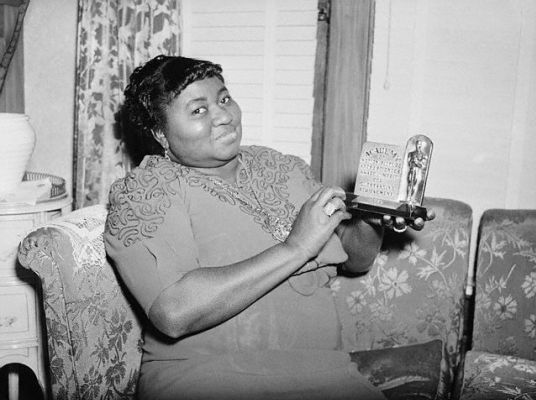
1940 – Gone with the Wind swept the 12th annual Academy Awards presentation by winning 10 awards, including Best Supporting Actress for Hattie McDaniel.  McDaniel was the first African-American to be nominated for and to win an Oscar.


1944 – The invasion of the Admiralty Islands began as U.S. General Douglas MacArthur led his forces in Operation Brewer.  Troops surged onto Los Negros, following a month of Allied advances in the Pacific.

1944 – Dorothy McElroy Vredenburgh of Alabama became the first woman appointed secretary of a national political party, when she was named to the Democratic National Committee.

1960 – The first Playboy Club opened at 116 E. Walton, Chicago, IL.  The last U.S. club, located in Lansing, MI, closed in 1988.  The last international club, located in Manila, closed in 1991.


1964 – Australian swimmer Dawn Fraser earned her 36th world record, clocking in at 58.9 seconds in the 100-meter freestyle in Sydney, Australia.


1972 – Newspaper columnist Jack Anderson revealed a memo written by Dita Beard, a Washington lobbyist for the International Telephone and Telegraph Corporation, which connected ITT’s funding of part of the Republican National Convention with a lawsuit the company had settled recently with the U.S. Justice Department.    

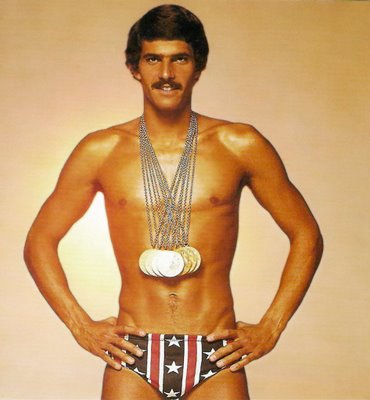
1972 – Swimmer Mark Spitz was named the 1971 James E. Sullivan Memorial Trophy winner as the top amateur athlete in America.


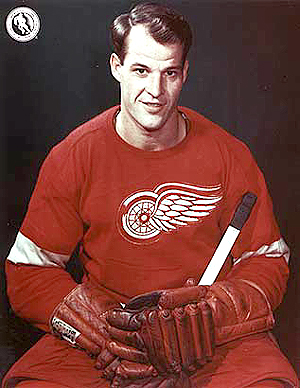
1980 – Gordie Howe of the Detroit Red Wings became the first player in NHL history to score 800 career goals (in a 3-0 Wings’ win over the St. Louis Blues).  Howe finished his career with 801 regular-season goals.


Leave a comment

Filed under History

On February 28…

1827 – The Baltimore & Ohio Railroad became the first railroad incorporated for the commercial transportation of people and freight.


1849 – The SS California arrived in San Francisco for the first time, having left left New York Harbor on October 6, 1848.  Thus began regular steamboat service from the U.S. East Coast to the West Coast by steamboat, via Cape Horn.


1861 – Congress created the Territory of Colorado.

1893 – Edward G. Acheson of Monongahela, PA, received a patent for Carborundum, an abrasive or refractory of silicon carbide, fused alumina and other materials.

1940 – The first televised basketball game was broadcast on W2XBS in New York City from Madison Square Garden.  The game featured Fordham University and the University of Pittsburgh.


1953 – Cambridge University scientists James D. Watson and Frances H.C. Crick announced they have determined the double-helix structure of deoxyribonucleic acid (DNA), which had been discovered in 1869.

1972 – U.S. President Richard Nixon wrapped up an historic week-long visit to China, convinced the trip helped to create a new “generation of peace.”

1984 – Michael Jackson won a record 8 statuettes for his album, Thriller, at the Grammy Awards in Los Angeles, the most wins by a single artist.  He broke the previous record of 6 awards set by Roger Miller in 1965.


1993 – Agents with the Bureau of Alcohol, Tobacco and Firearms (ATF) attempted to invade the Branch Davidian compound near Waco, Texas.  Four ATF agents and two cult members were killed and another 12 agents were wounded.  The assault began a 51-day siege that ended on April 19.


1994 – In the first military action in the 45-year history of the North Atlantic Treaty Organization (NATO), U.S. fighter planes shot down 4 Serbian war planes engaged in a bombing mission over Bosnia’s no-fly zone.

1995 – Denver International Airport finally opened after 16 months of delays and billions of dollars in budget overruns.


1997 – Two men, masked and wearing body armor, bungled a bank heist in North Hollywood, CA, and unleashed an arsenal of gunfire on police and bystanders, as they tried to flee.  Fifteen people were injured, including ten policemen, before the robbers were killed.


Leave a comment

Filed under History