“Etch-A-Sketch will have to remain neutral. We want what’s best for America.”
– Martin Killgallon, an executive for the company Ohio Art, after its product became the focus of a misstatement by Mitt Romney.
I have to agree. Let’s not disrespect Etch-A-Sketch by dragging it into the presidential race. Etch-A-Sketch provides 2 things politicians don’t: purpose and happiness.
I was surprised to learn about this recently. Mentally disturbed filmmaker Tim Burton has brought the legendary ‘Dark Shadows’ series to the big screen, starring – you guessed it – his favorite actor, the equally disturbed Johnny Depp. Depp portrays Barnabas Collins, a vampire who rises from his crypt in the family mausoleum, after being released by a grave-robbing drifter, and joins his contemporary relatives on their gigantic Maine estate. ‘Dark Shadows,’ which ran from 1966 – 1971, was the first prime time soap opera and the first to feature a gothic theme. It was unprecedented for its time and instantly gained a cult following – no pun intended. The original series returned to television in the early 1980’s, when I discovered – and fell in love with – it. The Burton movie obviously plays with the storyline’s horror-tinted and sexually-charged overtones.
Survivalist Tip: As utility services are likely to go down when the apocalypse hits, make certain you have bags of charcoal on hand. Charcoal has been used for centuries as a cooking aid in most societies around the world; except what is now the Middle East where they used either goat dung or the foreskins of infant males. The indigenous peoples of the Americas have a long history with wood charcoal, its original form, where they used it for cooking, heating and long-distance text messaging. Smoke from charcoal-induced flames will ward off insects, spiders, celebrities and other varmints that manage to survive the upheaval. As I’ve stated repeatedly, we don’t know how long power will be out, so charcoal will help you get through the cold and darkness. Besides, charcoal-basted chocolate is heavenly!
In This March 7, 2012, photo from Austin, Texas, workers erect a monument to Tejano settlers, Spanish and Mexican explorers who trail-blazed what would become the Lone Star State.The massive granite and bronze memorial is set to be officially unveiled March 29 on the South lawn of the state Capitol. (AP Photo/Will Weissert)
This week Texas’ Tejano settlers – that is, the state’s original inhabitants, after the Indians – will finally be recognized. State leaders will dedicate a granite and bronze memorial to the Spanish explorers who established vast communities long before the likes of Stephen F. Austin or Sam Houston were even born. Since 2002, the Texas Tejano organization has endeavored to get the true story of our state’s history to include the Spanish settlers. Spaniards had reached Texas by the 1580’s; the entire southwestern region of what is now the United States and all of México formed what was then called “Nuevo España,” or “New Spain.” They built entire towns, complete with churches and functioning governments, and later began intermarrying with the region’s indigenous peoples. They took a term that various native peoples used for friend – tejas, tayshas, texias and thecas are among the varied translations – and used it to create the state’s name. None of it is something Texas schoolchildren have traditionally learned, but that’s changing. One of my own paternal ancestors, Marcos Alonzo de la Garza – Falcon, was born in Spain around 1550 and arrived in South Texas some 30 years later; so the event this week in Austin has personal significance for me. I’m definitely glad, though, that México lost Texas to the United States in 1836. But, the Lone Star state’s expansive and diverse history can’t be denied.
I’m sure anyone in the Middle East, outside of Israel, would answer this question with a resounding ‘no.’ While the question of Palestine sovereignty is one of the most pressing issues on the international stage, author and human rights activist Susan Abulhawa looks at it from a literary standpoint. She and her family are refugees from the 1967 ‘Six Day War,’ and one might expect her to be filled with rage towards Israel. But, as a writer, Abulhawa knows fully that literature, like art and music, can be used as a tool to create dialogues about even the most controversial of matters and build bridges between communities that have always built walls instead. Her book Mornings in Jenin is a fictional telling of her family’s own experiences with forced relocation, but the story takes place in the aftermath of Israel’s 1948 independence. Many people probably don’t want to talk about it, or worst, pretend there’s no real problem at all. But, we’ve seen what happens when people stop talking and start fighting. They end up with the problems that plague the Middle East. I think we should stop listening to the region’s political leaders and start listening to its writers and other artists. Often, their resolutions don’t involve blood and bombs.
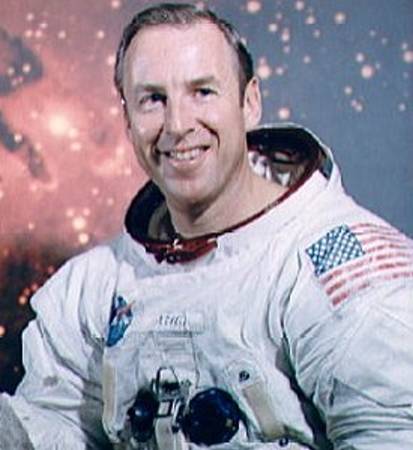
Astronaut James A. Lovell Jr. (first to complete 4 spaceflights; first to make 2 flights to the Moon; commander of Apollo 13 April 1970: planned lunar landing that was aborted after an explosion on Apollo service module) is 84.
Author – publisher – feminist activist Gloria Steinem is 78.
Singer Aretha Franklin (Respect, Baby I Love You, Natural Woman, Chain of Fools, Think, Day Dreaming; first woman inducted into Rock and Roll Hall of Fame [1987]) is 70.
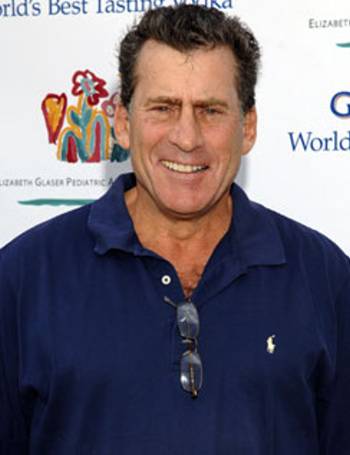
Actor – director – writer Paul Michael Glaser (actor: Starsky & Hutch, Single Bars Single Women; director: Butterflies are Free, The Air up There) is 69.
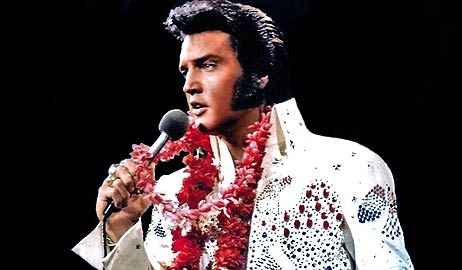
Singer – songwriter – musician Elton John (Your Song, Honky Cat, Goodbye Yellow Brick Road, Bennie & The Jets, Daniel, Philadelphia Freedom) is 65.
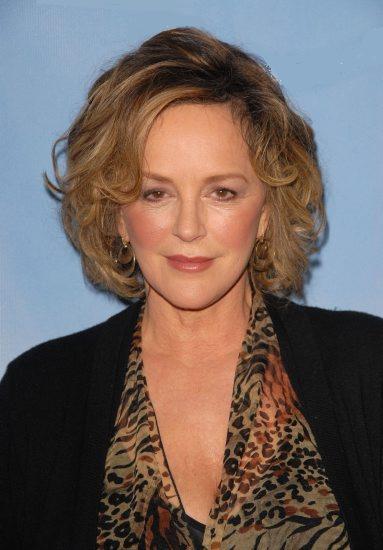
Actress Bonnie Bedelia (Die Hard, Presumed Innocent, They Shoot Horses Don’t They) is 64.
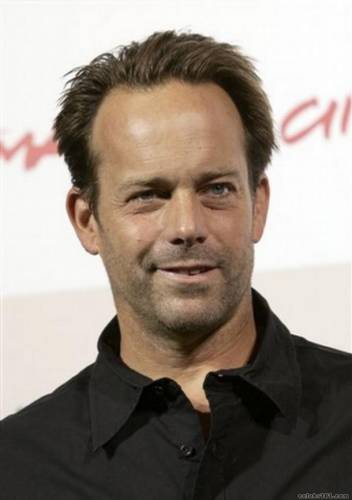
Actor John Stockwell (Born to Ride, Top Gun, City Limits) is 51.
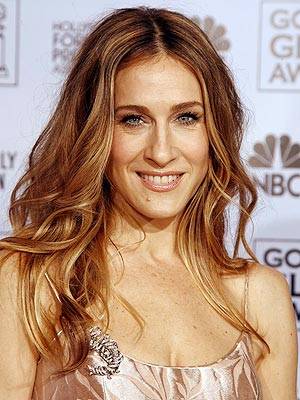
Actress – opera singer Sarah Jessica Parker (Sex and the City, Miami Rhapsody, L.A. Story) is 47.
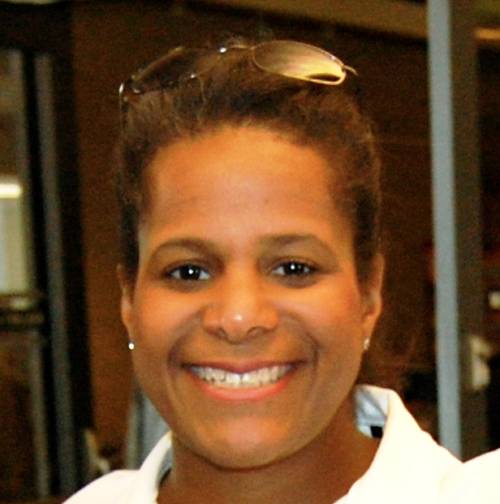
Figure skater Debi Thomas (Olympic bronze medalist [Calgary, 1988]) is 45.
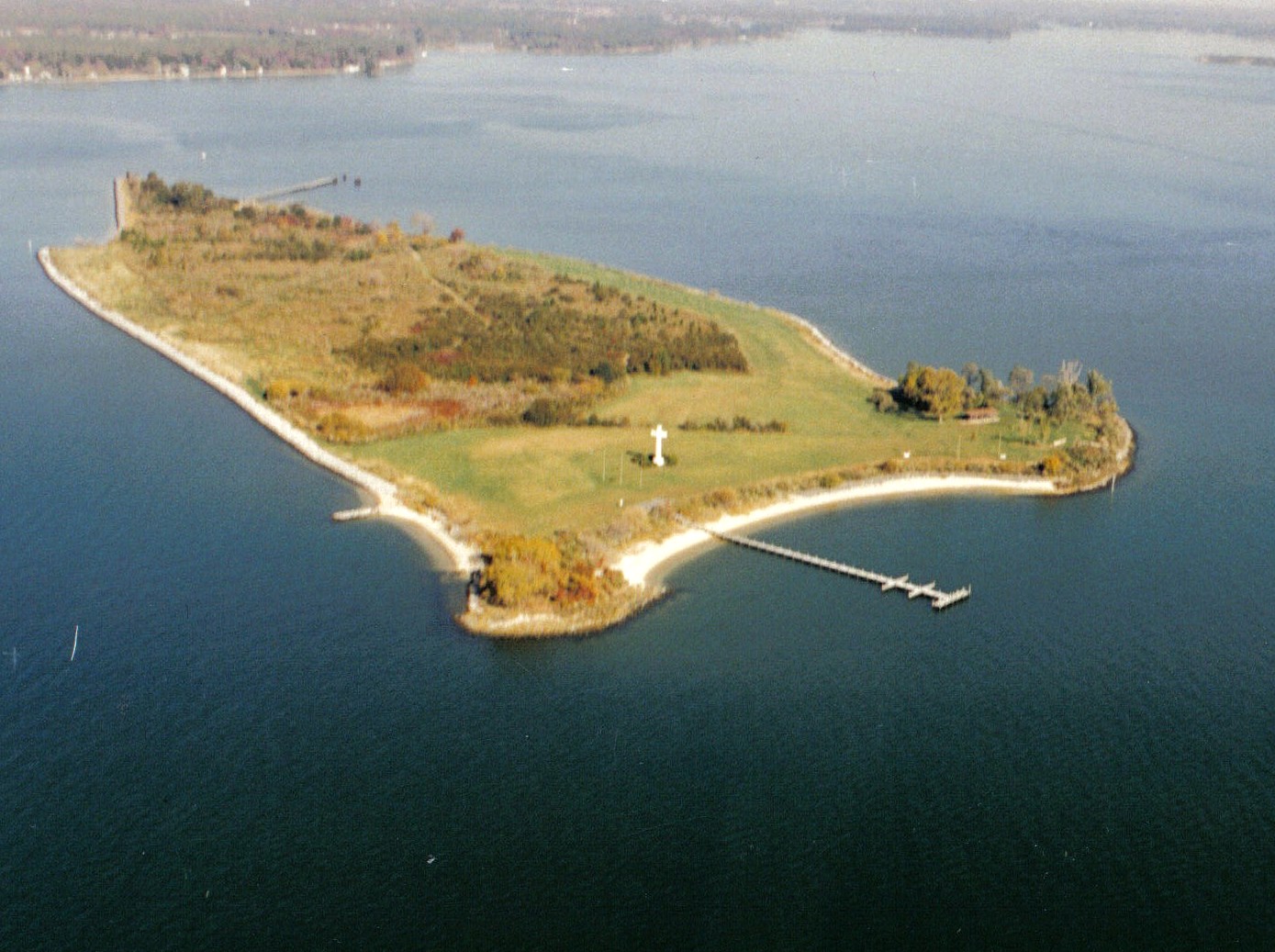
1634 – British colonists arrived on St. Clement’s Island off present-day Maryland and established the settlement of St. Mary’s.
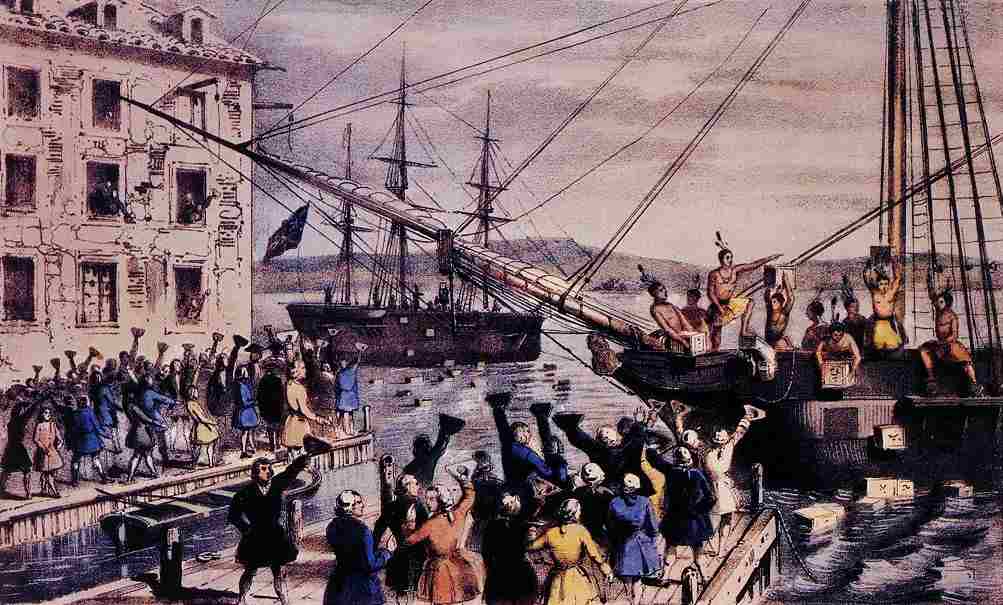
1774 – The British Parliament passed the Boston Port Act, closing the port of Boston and demanding the city’s residents pay for the tea dumped into Boston Harbor during the Boston Tea Party the previous December.
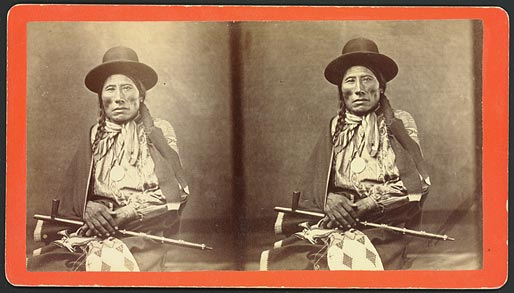
1879 – Cheyenne leader Chief Little Wolf, who had led dozens of attacks on other Indian communities and engaged in several conflicts with the U.S. Army, surrendered to his friend, Lte. W.P. Clark.
1911 – A fire broke out at the Triangle Shirtwaist Company in New York City, trapping several young, mostly female immigrant workers behind locked doors. The 18-minute fire left 146 dead. As a result, new labor laws were enacted to protect workers, and the owners of the Triangle Shirtwaist Company were indicted for manslaughter.
1932 – In Powell v. Alabama, the U.S. Supreme Court overturned the convictions of 9 young Black men who had been arrested and accused of raping 2 White women on a train in Alabama.
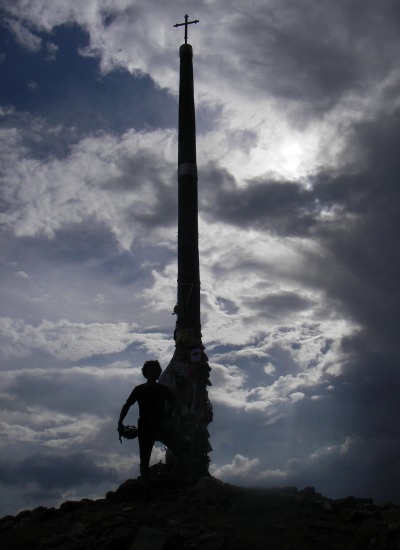
The Cruz de Ferra, surrounded by an ancient mound of stones left by pilgrims, is one of the marvels to be found along the Camino de Santiago in northwestern Spain. Photo by Alastair Bland.