
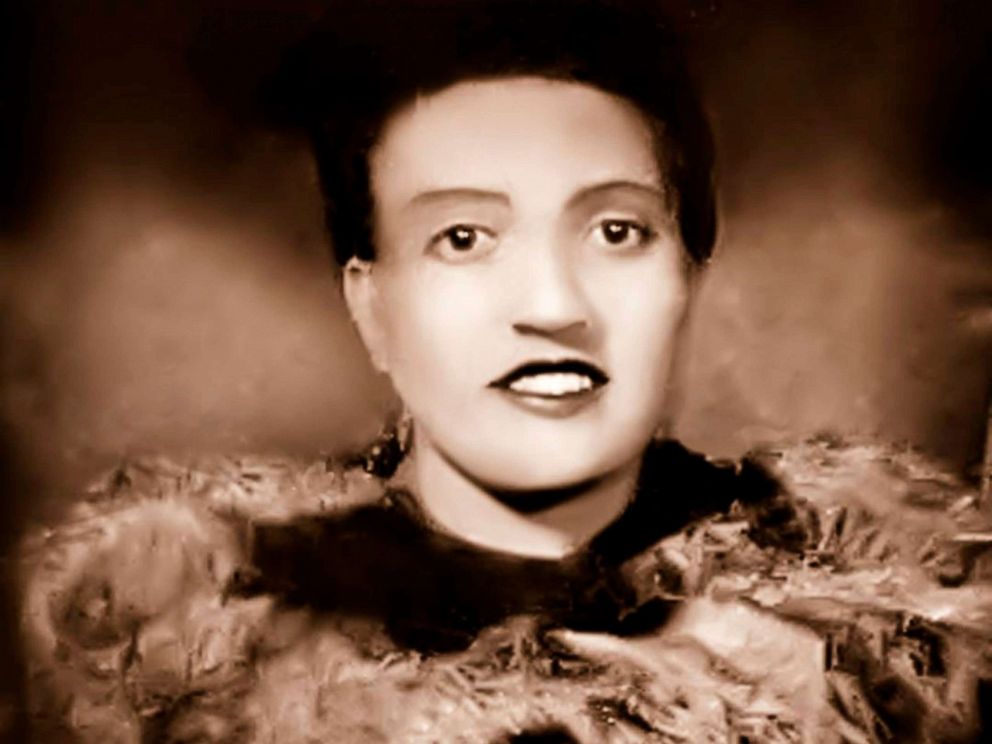
The story of Henrietta Lacks is one of the most compelling I’ve ever encountered. It’s also one of the most tragic and upsetting. Lacks was an African-American resident of Baltimore when she developed cervical cancer in the early 1950s. While seeking treatment in the racially segregated ward at Baltimore’s Johns Hopkins Hospital, doctors removed a sample of her cancer cells without her knowledge or permission and sent them to Dr. George Gey, prominent cancer and virus researcher at the time. In 1951, it was still perfectly legal to extract cancer cells and engage in other medical procedures without the patient’s consent or knowledge. In those early days of oncology research, Gey had been looking for cancer cells that would survive for any extended period. None had – until he obtained those belonging to Lacks. Whereas other cells would die as soon as he obtained them, Lacks’ cells doubled every 20 to 24 hours. This replication would eventually lead to a myriad of solutions and treatments in various medical fields.
Nicknamed “HeLa” (from the first two letters of Henrietta’s first and last names), the cells have been used to study the effects of toxins, drugs, hormones and viruses on cancer cells without actually experimenting on humans. “HeLa” cells were even critical to the development of the polio and COVID-19 vaccines, as well as continuing oncological research. Meanwhile, Lacks passed away quietly on October 1, 1951 at the age of 31, leaving behind her husband and children and was buried in an unmarked grave.
Johns Hopkins never sold or benefited financially from the usage of the “HeLa” cell line, but it did offer them freely for scientific research. The Lacks family certainly never benefited financially from this research – and Henrietta didn’t receive any recognition for her “contribution”.
Until recently.
Rebecca Skloot’s 2010 book “The Immortal Life of Henrietta Lacks” brought much-needed attention to the case. Henrietta’s daughter, Deborah, wondered aloud if the doctors at Johns Hopkins had killed her mother to harvest those valuable cells. Had they even gone so far to clone her in some fashion? Considering that Henrietta was an impoverished Black woman in 1950s America, such hypotheses aren’t beyond the realm of possibility.
In 2013 the Lacks family reached a settlement with the National Institutes of Health that provided some control over how the DNA from the HeLa cells is used in future research. It also includes acknowledgement in any future scientific papers discussing those cells.
Last year Johns Hopkins University officials announced plans for an on-campus building project named for Henrietta. “The architectural design of the building to be named for Henrietta Lacks reflects Johns Hopkins’ commitment to proudly honor and celebrate Mrs. Lacks’ extraordinary legacy on our campus,” said Ronald Daniels, president of Johns Hopkins.
Last week Lacks’ descendants reached a settlement in its lawsuit against Thermo Fisher Scientific, a biotech company that apparently profited the most from usage of the HeLa cells. However, Lacks’ family points out that their situation highlights the legacy of racism in American medicine and its persistence even now. We have evidence that European colonialists gave smallpox-infected blankets to Native Americans. The Tuskegee Syphilis Experiment remains one of the most egregious examples of medical research in American history.
“Indeed, a great portion of early American medical research is founded upon nonconsensual experimentation upon systemically oppressed people,” Lacks family attorneys declared in their initial suit.
I have to note that Thermo Fisher had demanded the lawsuit be dismissed because the statute of limitations had expired. But Lacks family attorneys asserted that Thermo Fisher continues to benefit.
Here’s another curiosity. Ronald Lacks, one of Henrietta’s grandsons, self-published a book in 2020 about his grandmother’s case; hoping to bring further attention and possibly generate some revenue for his family. That same year Thermo Fisher CEO Marc Casper received a compensation package over $26 million.
No amount of money can ever compensate for the mistreatment of vulnerable populations. Denying that such wrongdoing occurred in the first place certainly doesn’t alleviate matters. This is what we’ve seen here in the U.S. with the relentless conservative denial of the brutal realities of European colonialism and Black slavery and the vicious legacies they spawned.
As a society, however, we can make some amends by acknowledging what happened and how bad it was. I feel Henrietta Lacks has ultimately been vindicated with her story now being told and a medical building that will bear her name.
And that kind of recognition means just about everything.








 Chief Writing Wolf