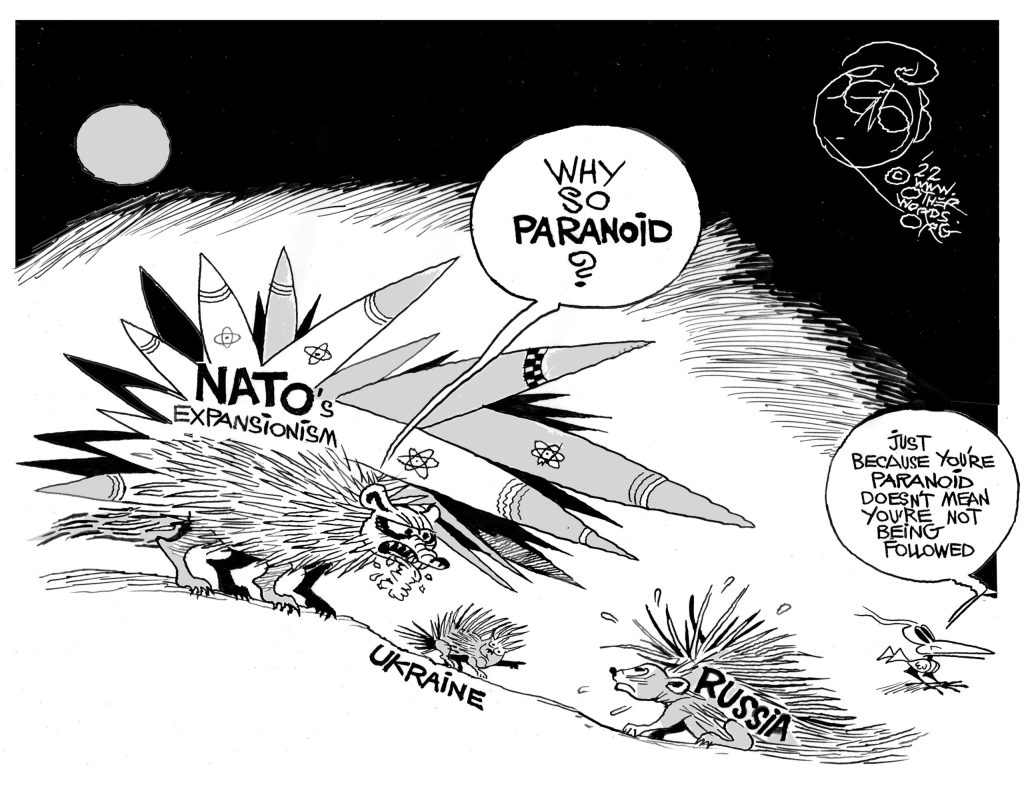
But amidst the tension, one thing about the meeting stuck out: the table. Macron and Putin sat at opposite ends of a gargantuan white table, as COVID protocols still deem such ambits necessary. It almost goes without saying the physical distance between the duo was analogous to their ideological differences.
“There have always been efforts to censor books, but what we’re seeing right now is frankly unprecedented. A library is a place of voluntary inquiry. That means when a student walks in, they’re not forced to check out a book that they or their parents find objectionable. But they also don’t have authority to say what books should or shouldn’t be available to other students.”
Carolyn Foote, a retired school librarian in Austin who’s helping to lead the #FReadom campaign
#FReadom campaign is a grassroots effort to fight back against book challenges (translation: censorship) in Texas.
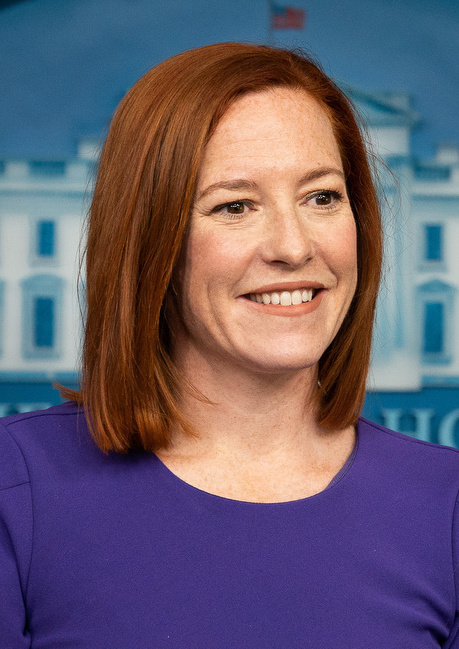
“Well, if you are digesting Russian misinformation and parroting Russian talking points, you are not aligned with longstanding, bipartisan American values, which is to stand up for the sovereignty of countries, like Ukraine but others. Their right to choose their own alliances, and also to stand against, very clearly, the efforts or attempts or potential attempts by any country to invade and take territory of another country. That applies to Sen. Hawley, but it also applies to others who may be parroting the talking points of Russian propagandist leaders.”
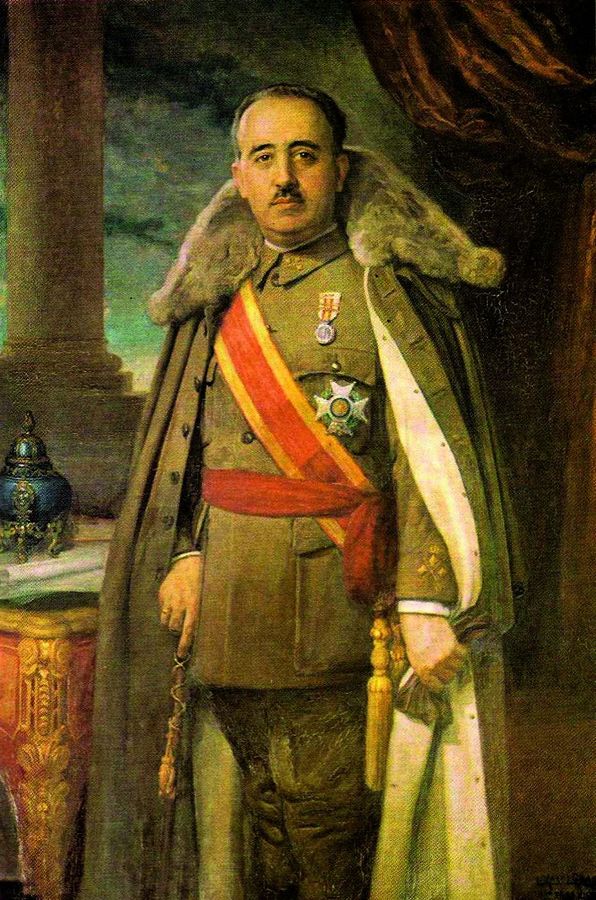
Last month marked the 45th anniversary of the death of Francisco Franco, Western Europe’s last dictator. Afterwards Spain finally transitioned into a democratic state; something it had tried when it elected a new government in 1931. During the “Second Republic”, Spaniards deposed King Alfonso XIII and reduced the powers of the military, the Roman Catholic Church and property-owning elites. But, just two years later, a center-right coalition won a majority in the elections and they brought in Franco. Franco had gained some notoriety for fighting against an insurgency in Spanish-controlled Morocco amidst World War I. In 1926, at the age of 33, he became the youngest general in all of Europe. But, as the “Second Republic” proceeded, Franco grew critical of the new government and was subsequently banned to a military outpost in the Canary Islands. By 1936 right-wing extremists had fomented plans for a military coup. Apparently Franco was initially opposed, but joined the effort as it took shape.
The 1936-39 Spanish Civil War actually began in Morocco, as right-wing activists launched concerted efforts to regain control. By 1939 they had won – at the cost of 1 million lives – and Franco became Spain’s eminent ruler. Spain’s “White Terror” induced a culture of repression and execution; a persecution of democratic supporters of a truly tolerant government. Civil wars in any country are brutal and destructive, and Spain’s conflict was no different. During Franco’s reign, an estimated 150,000 people were executed or mysteriously vanished. That’s a modest assessment. Personally, as with the Nazi Holocaust or the Cambodian massacre, I believe the official estimates are politically polite.
Early last month a friend posted a photo (a formal portrait) of Franco on his Facebook page. One of his friends replied by declaring that Franco would have never let Spain become the socialist state it is now. I responded by noting that Franco was a dictator who opposed free speech and freedom of religion. Franco imprisoned and executed thousands of political opponents, while thousands more disappeared. Like Argentina, Guatemala and other Latin American nations, Spain emerged as a totalitarian state, where anyone who dared criticize the leadership was deemed a rebel and summarily prosecuted. No one among the Spanish populace ostensibly was brave enough to stand up to such totalitarian shenanigans, until Franco died. But it is what it is. Calls for revolution are always easier than actually revolting.
I don’t believe either my friend or his friend responded to my comment. I guess I should have been shocked by the aforementioned Facebook posts. But ultimately it didn’t surprise me, since my friend is a devotee of Donald Trump. He once posted photos of himself and Spanish dignitaries at a diplomatic function in Houston. But seeing his post about Franco angered me.
I’ve noticed some conservatives hold a certain degree of sentimentality for dictators and autocrats. Hence Trump’s conciliatory behavior towards the likes of Russia’s Vladimir Putin or North Korea’s Kim Jong Un. Both Putin and Jong Un live in relative luxury, while essentially holding an iron grip on power. North Korea is particularly egregious in this dichotomy. They still won’t acknowledge the brutal severity of a 1990s-era famine in which up to 3.5 million people perished.
Trump is also in line with Brazil’s Jair Bolsarano who openly longed for the period of the nation’s military rule; a time when – like many other nations in Latin America – thousands disappeared, were imprisoned or turned up dead. Bolsarano has often been dubbed as “Trump of the Tropics”.
I’m sure the analogy flattered Bolsarano, and it sounds appropriate. Like Trump Bolsarano denounced COVID-19 as a “little flu” and downplayed it, even when he contracted the virus. As with any European-style colonialist, Bolsarano lamented that Brazil didn’t succeed in eliminating the nation’s indigenous populations. He doesn’t seem to realize North America’s indigenous peoples were NOT completely obliterated from the continent. Yet, Bolsarano ultimately will go to his grave knowing his sanguineous ideals failed. And I couldn’t be happier.
I also couldn’t be happier knowing Donald Trump will NOT be President of the United States after noon (EST) on January 20, 2021. Fortunately, our beloved democratic process functioned as designed last month. The United States isn’t like Franco’s Spain or Latin America of the past; where military dictatorships commanded every aspect of people’s lives, or like Putin’s Russia where one person can hold the reins of power for infinite years, or Kim Jong-Un’s North Korea where a single clan of dynastic brutes can cripple the minds and bodies of their subjects.
I feel Donald Trump came as close to an autocrat as we’ve ever had. It was a frightening prospect, especially knowing he actually wanted to delay the November 3 elections.
But American democracy prevailed over Trump’s fascist tendencies. That’s how all civilized societies should operate.
How convenient that every bad story about you is made up. Or you never hear it. Or you aren’t informed. You tried that with coronavirus and it wouldn’t go away, because facts don’t care about your lies.
“The president does read and he also consumes intelligence verbally. This president, I’ll tell you, is the most informed person on the planet Earth when it comes to the threats that we face.”
“I would think that if they were honest about it, they’d start a major investigation into the Bidens. It’s a very simple answer. They should investigate the Bidens because how does a company that’s newly-formed and all these companies, if you look at – and by the way, likewise, China should start an investigation into the Bidens. Because what happened in China is just about as bad as what happened with – uh – with Ukraine.”
– Faux President Donald Trump, in response to a reporter’s question about the Ukraine and former Vice-President Joe Biden.
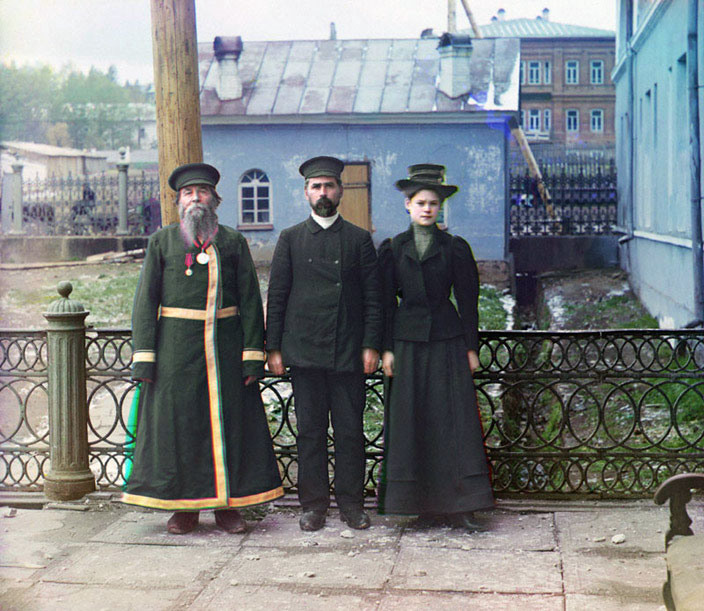
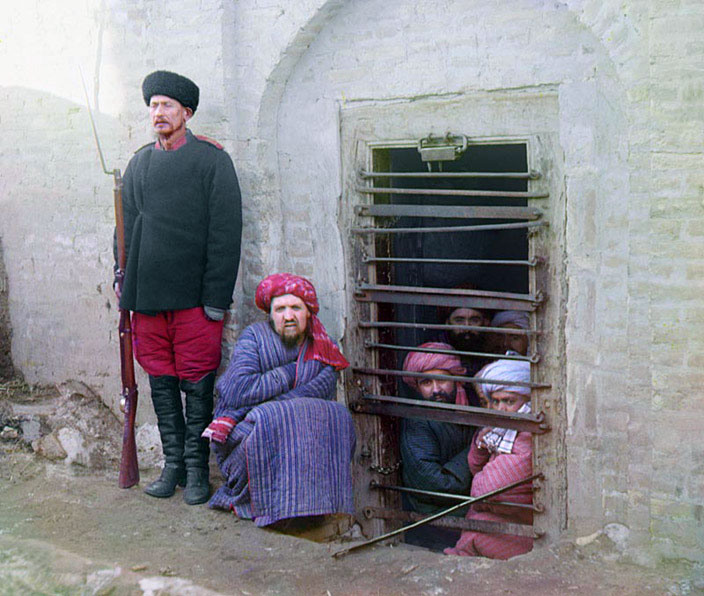
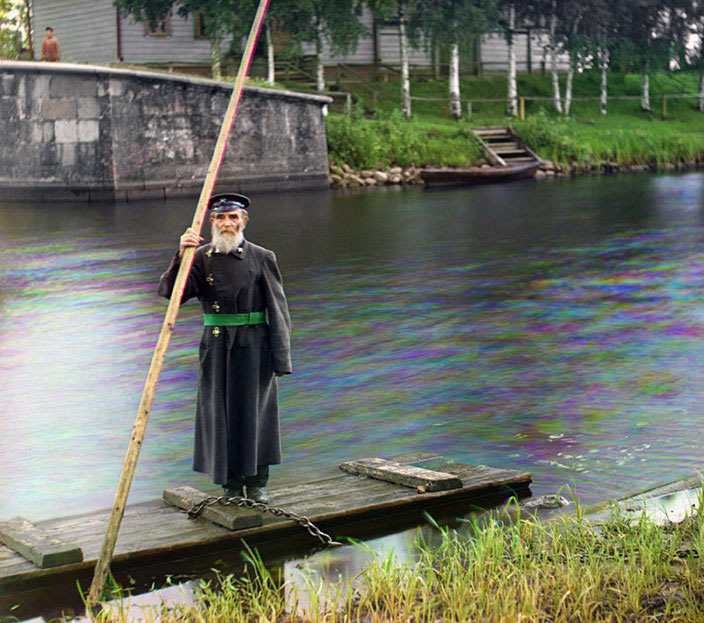
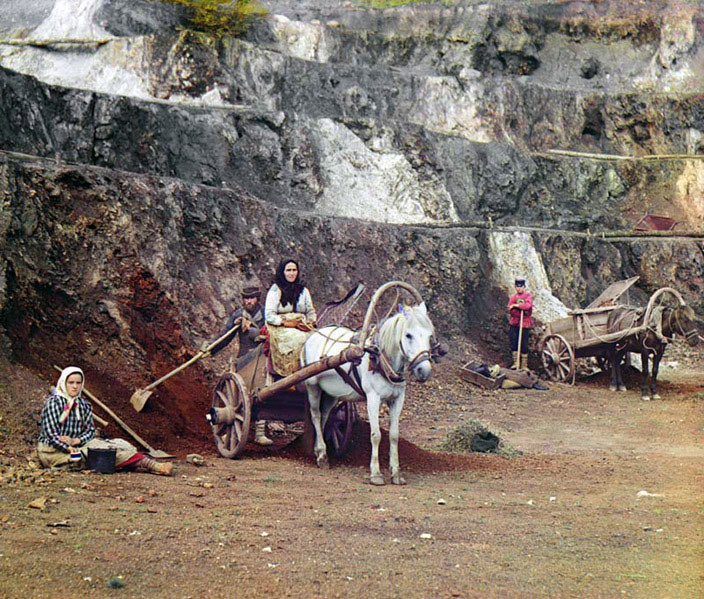
Sergei Mikhailovich Prokudin-Gorskii was a Russian chemist who also dabbled in photography. He captured some extraordinary pictures of average Russian citizens in the years immediately preceding World War I. They’re even more fascinating because they’re in color. By the start of the 20th century, photography had become a regular part of life for many people. But, color photography, in particular, was still a luxury. With limited materials and equipment, its practitioners had a small window of opportunity for snagging the natural color elements of their subjects. It’s one reason why early color photographs often look more like chalk drawings.
Prokudin-Gorskii studied the works of James Clerk Maxwell, a Scottish physicist who, in 1861, took the first known color photograph. Photographs were taken in standard black and white and then “colorized” with filters of the three primary colors: red, blue and green. The photos would be put through filters of the same three primary colors and then, projected onto a screen. People could view the final product by peering through an optical device called a chromoscope or a photochromoscope. The actual process is known as additive color, which involves the combination of two or more colors to create the perception of yet another color.
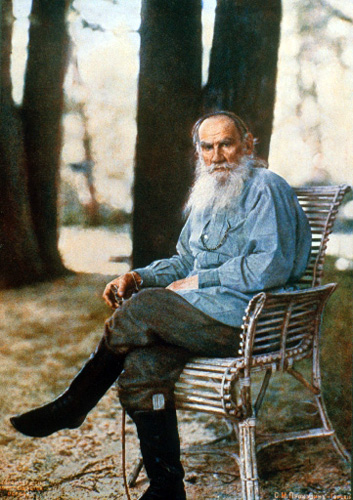
Here are just a handful of the many photographs Prokudin-Gorskii took during his travels across imperial Russia, including one of the legendary Leo Tolstoy and a self-portrait.
Peasant girls, 1909.
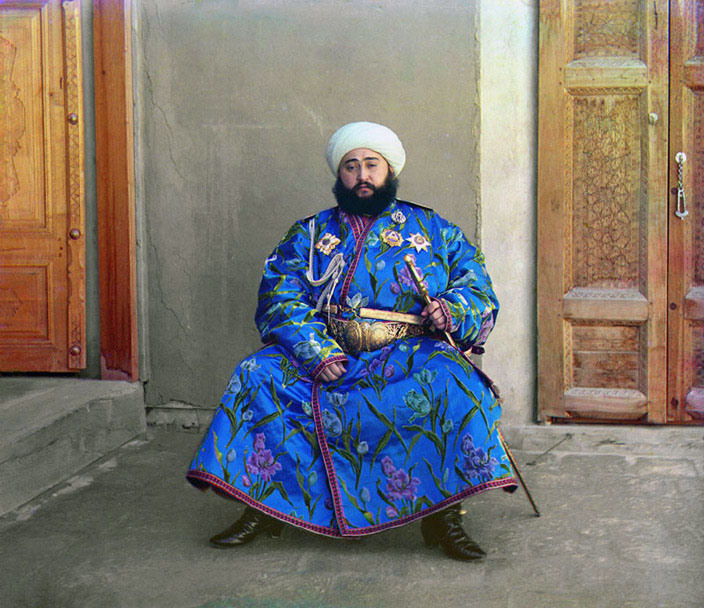
The Emir of Bukhara, 1911.
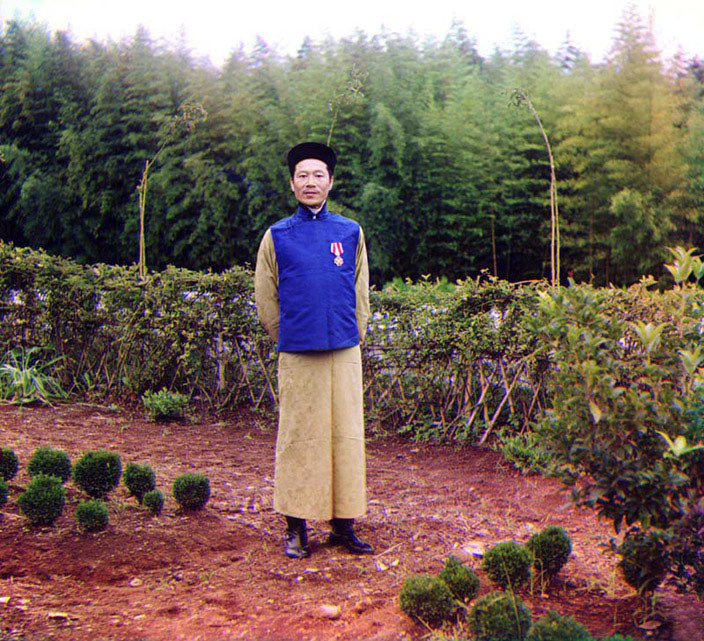
Lau-Dzhen-Dzhau, foreman of a tea factory in Chakva, ca. 1907-1915.
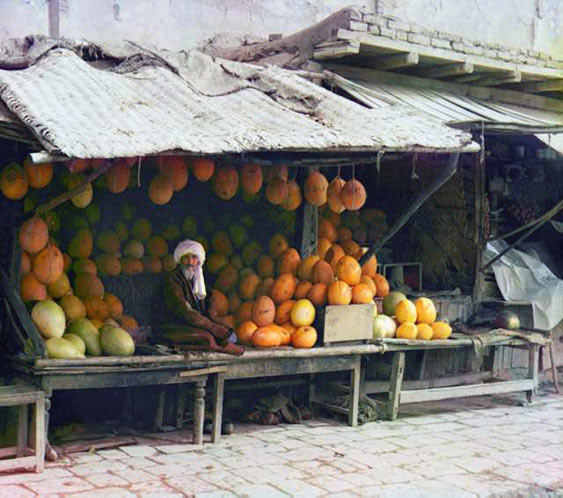
Melon vendor, 1911.
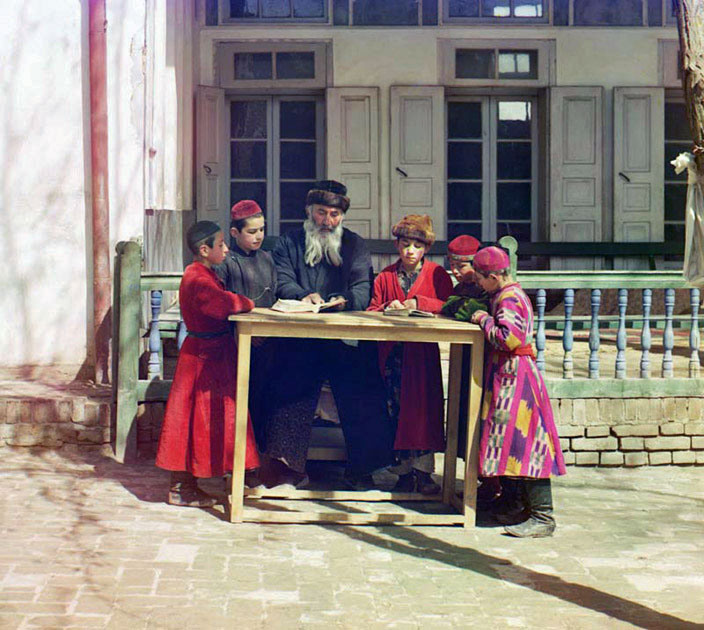
Group of Jewish children with a teacher, 1911.
Group of children, 1909.
Uzbek woman, ca. 1907-1915.
Dagestan couple, ca. 1907-1915.
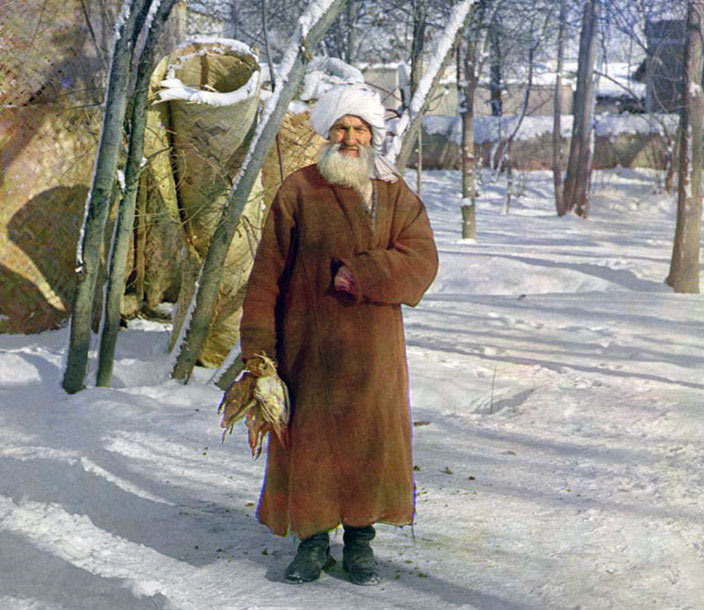
A Sart (Turkestani) man, 1911.
“Three Generations”, 1910.
Turkmenistan man with camel, ca. 1907-1915.
A Zindan (prison), ca. 1907-1915.
Migrant family, ca. 1907-1915.
Workers harvesting tea, ca. 1907-1915.
Nomadic Kirghiz, 1911.
Pinkhus Karlinskii – Supervisor of Chernigov Floodgate, 1909.
Hay gathering, 1909.
Work at the Bakalskii Mine Pit, 1910.
Outside Petrozavodsk on the Murmansk Railway, 1915.
Monks at work, 1910.
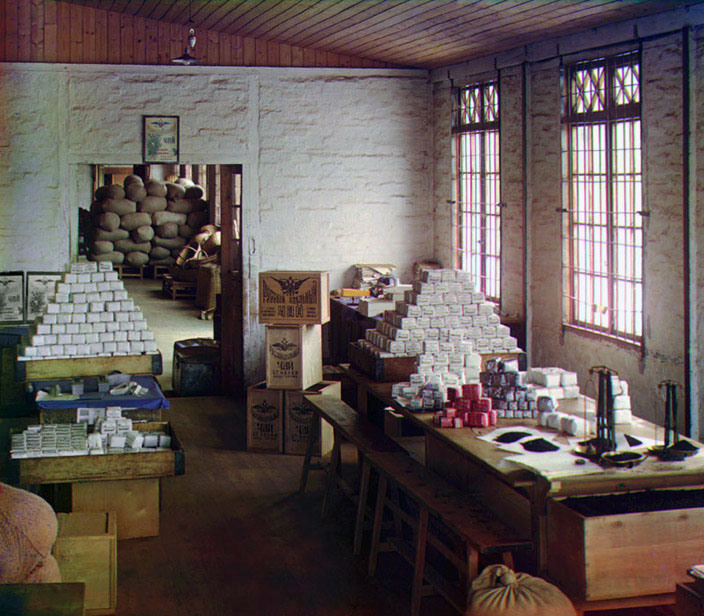
Weighing section, ca. 1907-1915.
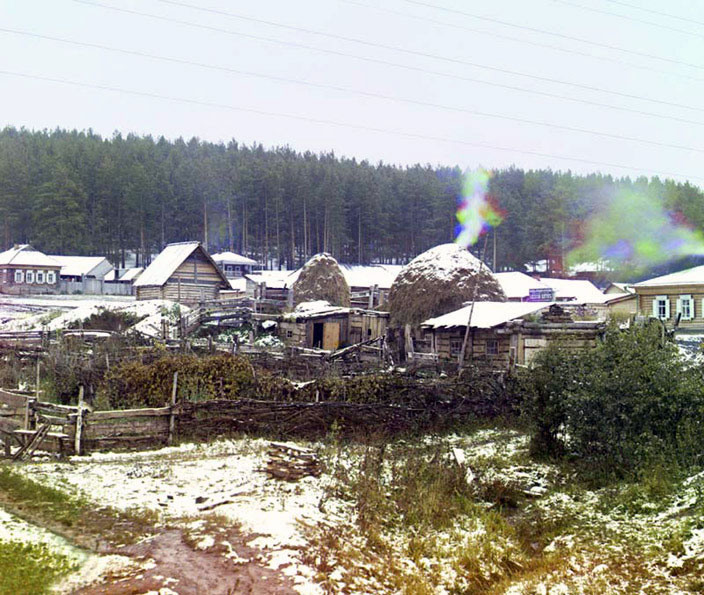
Hay storage, 1910.
Village of Kolchedan, 1912.
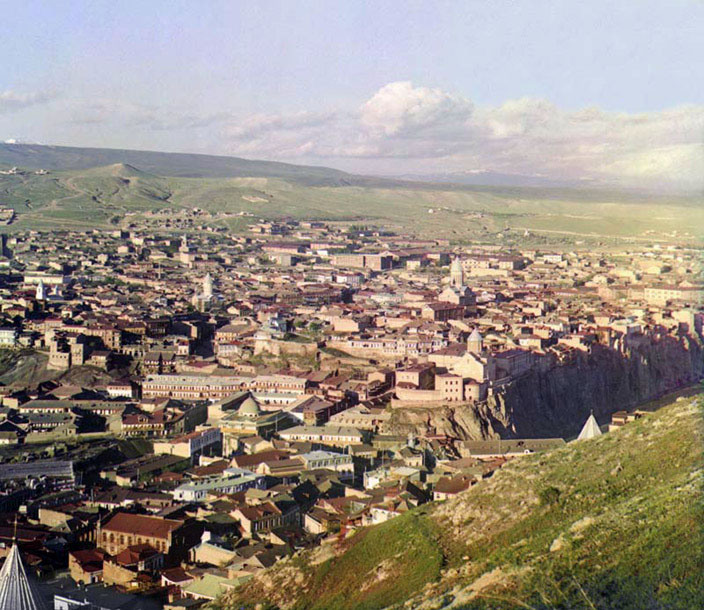
A view of Tiflis from the grounds of Saint David Church, ca. 1907-1915.
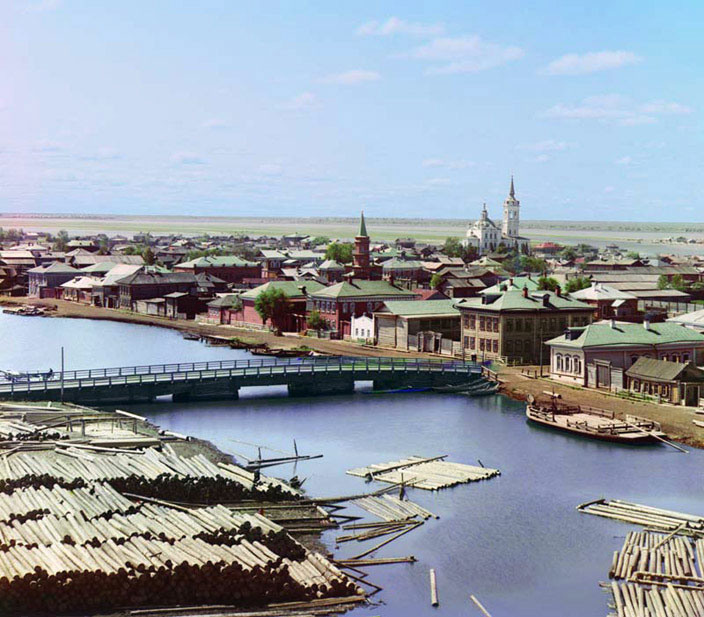
City of Tobol’sk from the Bell Tower of the Church of the Transfiguration, 1912.
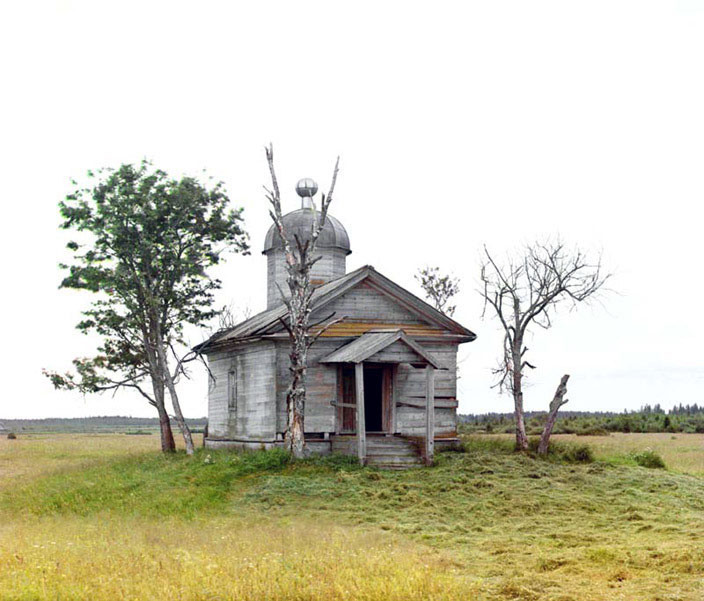
Abandoned chapel near the city of Belozersk, 1909.
View of a monastery from the Solarium, 1910.
Shakh-i Zinde Mosque, 1911.
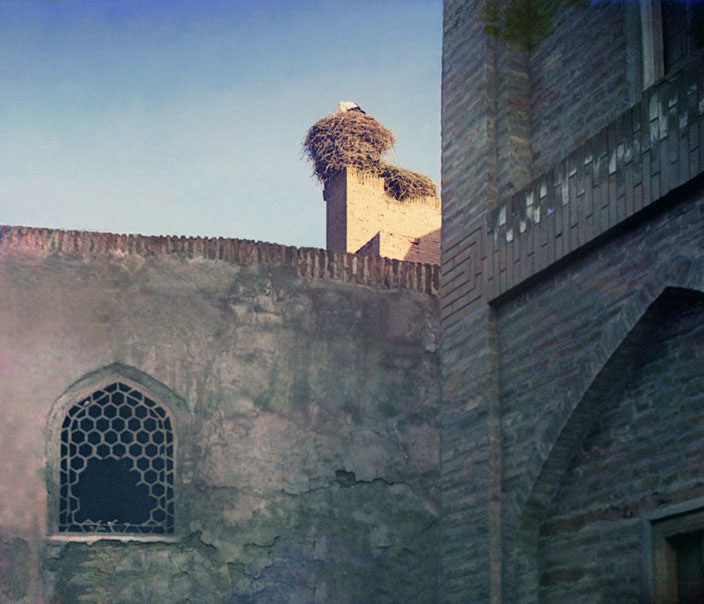
A stork in Bukhara, Uzbekistan, 1911.
Ekaterinin Spring, ca. 1907-1915.
Leo Tolstoy in Yasnaya Polyana, 1908.
Sergey Prokudin-Gorsky self-portrait at the Korolistskali River, 1912.

















 Chief Writing Wolf