Category Archives: History

On June 22…

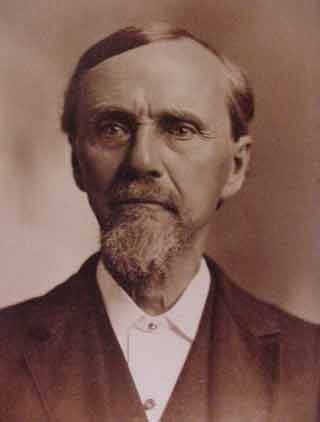
1874 – Dr. Andrew Taylor Still began the first known practice of osteopathy.
 

1898 – Author Erich Maria Remarque (All Quiet on the Western Front) was born in Osnabruck, Germany.


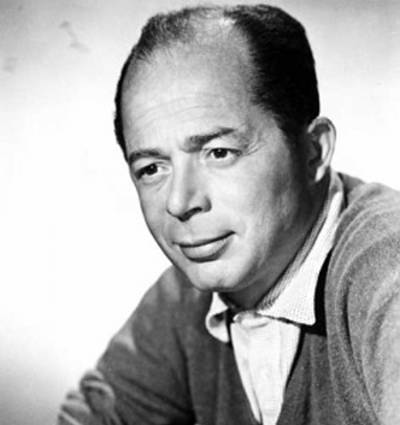
1906 – Film director Billy Wilder (The Apartment, The Lost Weekend, Sunset Boulevard, Stalag 17, Witness for the Prosecution, The Seven Year Itch, Some Like it Hot, Sabrina, Irma La Douce, The Front Page) was born in Sucha, Austria – Hungary.
 

1942 – V-Mail, or Victory-Mail, was sent for the first time.  Used a special paper for letter writing during WWII, V-Mail was designed to reduce cargo space taken up by mail sent to and from members of the armed services.  The letters written on this special paper were opened at the post office, censored and reduced in size by photography.  One roll of film contained 1,500 letters.
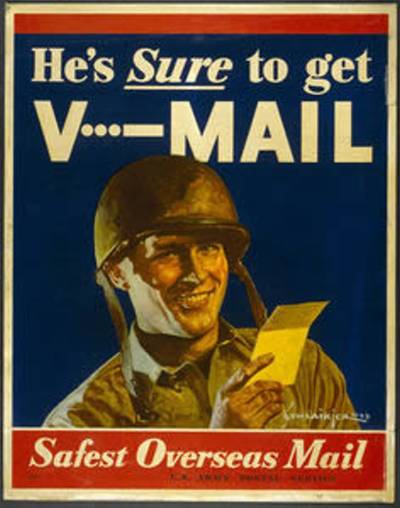
 

1944 – President Franklin D. Roosevelt signed the G.I. Bill into law, legislation designed to compensate returning members of the armed services for their efforts in World War II.


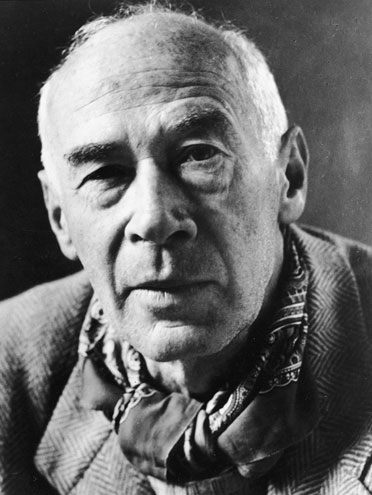
1964 – The U.S. Supreme Court ruled that Henry Miller’s controversial book, Tropic of Cancer, could not be banned.
Leave a comment

Filed under History

On June 21…

1731 – Martha Washington, wife of the first U.S. President George Washington and the First Lady was born in Kent County, VA.

1788 – The colony of New Hampshire became the ninth state to enter the United States of America, thus allowing the U.S. Constitution to be ratified.

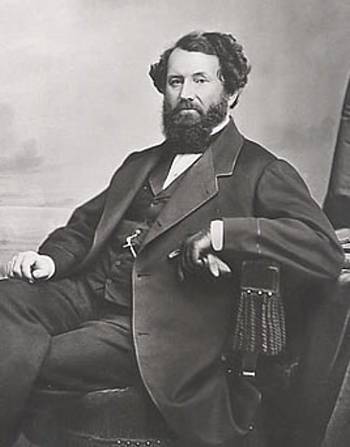
1834 – Cyrus McCormick patented the first practical reaper for farming.

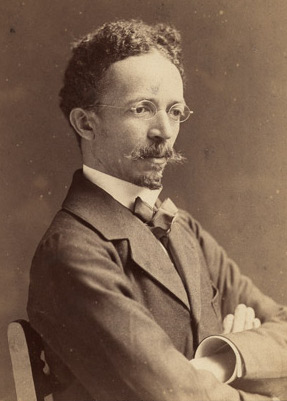
1859 – Artist Henry Ossawa Tanner (The Banjo Lesson) was born in Pittsburgh, PA.

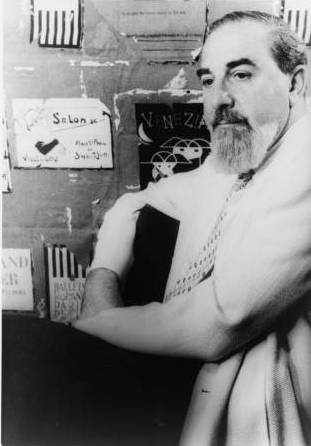
1903 – Artist Al Hirschfeld was born in St. Louis, MO.

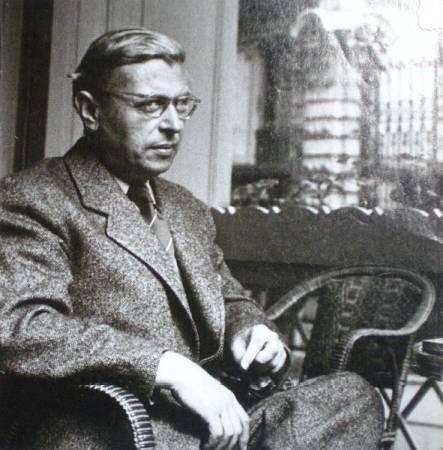
1905 – Writer – philosopher Jean-Paul Sartre was born in Paris, France.

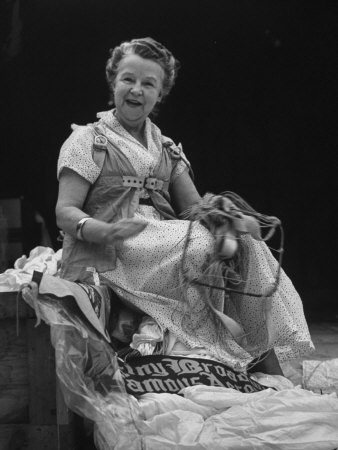
1913 – Georgia Broadwick became the first woman to parachute from an airplane over Los Angeles, CA.

1948 – Columbia Records announced that it was offering a new Vinylite long-playing record that could hold 23 minutes of music on each side.

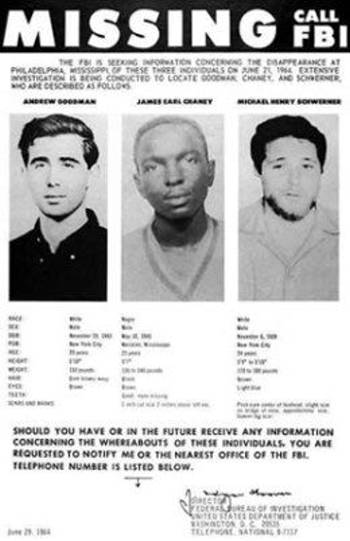
1964 – Three young civil rights workers, Michael Schwerner, Michael Goodman and James Chaney, working to register Black voters in Mississippi, were kidnapped and later killed by local members of the Ku Klux Klan.

1982 – John W. Hinckley was found not guilty by reason of insanity in the attempted assassination of President Ronald Reagan the preceding year.

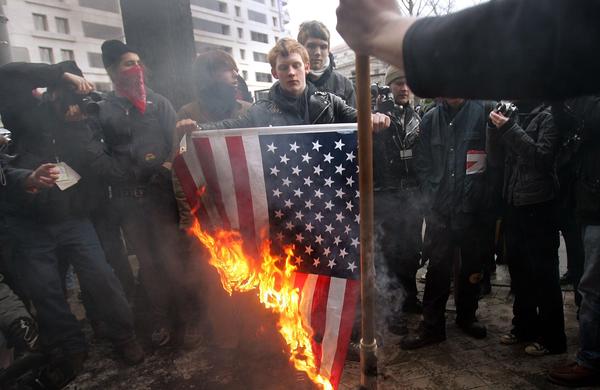
1989 – In Texas v. Johnson, the U.S. Supreme Court ruled 5-to-4 that burning the American flag as a political protest is protected by the First Amendment.

Leave a comment

Filed under History

On June 20…

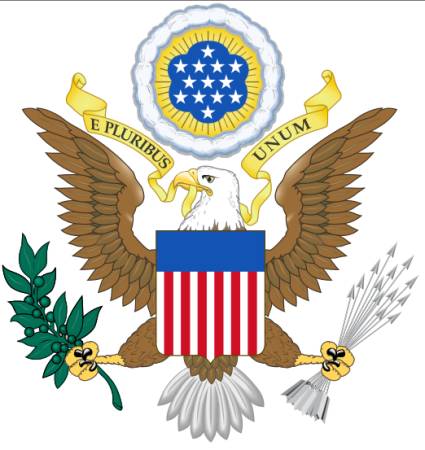
1782 – The Great Seal of the United States was adopted by Congress.  William Barton designed the seal which consists of an eagle, an olive branch and 13 arrows, one for each of the original 13 colonies.


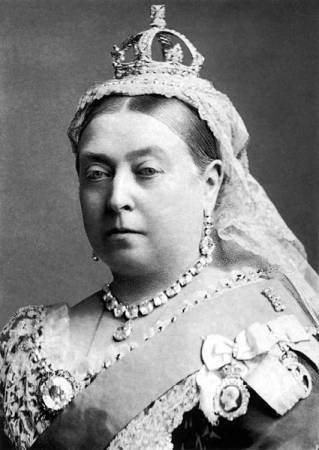
1837 – Princess Victoria became Queen Victoria of England on this day, following the death of her uncle, King William IV.  She ruled for 63 years until her death in 1901.


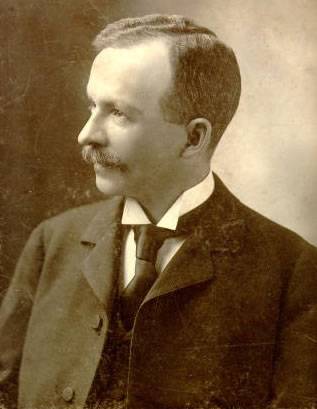
1858 – Author Charles Chesnutt (The Conjure Woman, The Wife of His Youth and Other Stories of the Color Line, The Colonel’s Dream) was born in Cleveland, OH.


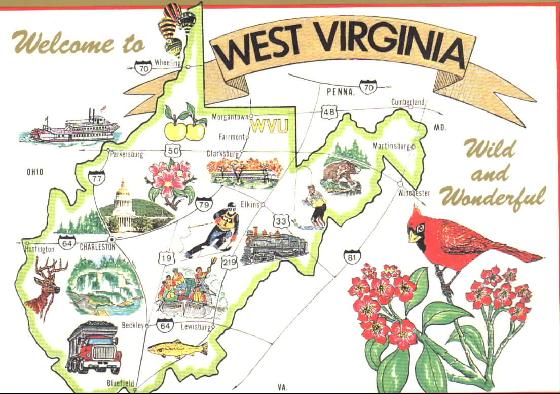
1863 – In the midst of the Civil War, 40 counties in western Virginia did not secede, and instead, formed their own government, officially entering the United States as West Virginia, the 35th state.


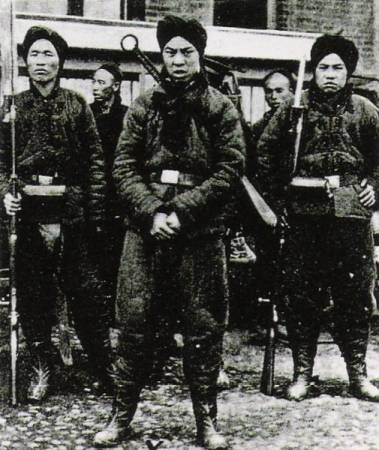
1900 – The Boxer Rebellion began in Peking in response to widespread foreign encroachment in China’s affairs.


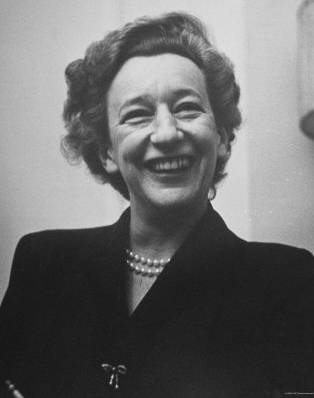
1905 – Playwright and screenwriter Lillian Hellman (The Children’s Hour, The Little Foxes) was born in New Orleans, LA.


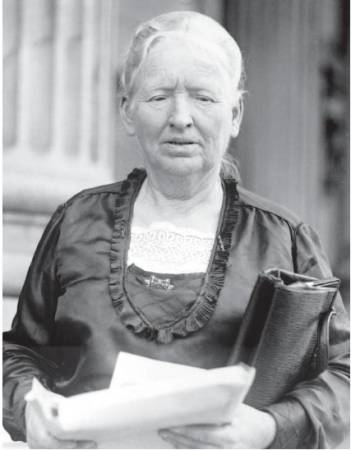
1921 – Alice M. Robertson of Oklahoma became the first woman to preside over the U.S. House of Representatives.


1924 – Audie Murphy, the most decorated GI of WWII [27 US decorations including Medal of Honor plus 5 decorations from France and Belgium]; actor: The Red Badge of Courage, The Unforgiven, Arizona Raiders, To Hell and Back, was born.


1977 – Oil began flowing through the Trans-Alaska Pipeline.

Leave a comment

Filed under History

On June 19…

1623 – Scientist – philosopher Blaise Pascal was born in Clermont-Ferrand, France.

1856 – Author Elbert Hubbard (A Message to Garcia, Little Journeys) was born in Bloomington, IL.

1865 – Union troops arrived in Galveston, Texas, to announce that the Emancipation Proclamation was in effect, nearly 3 years after President Abraham Lincoln issued it, and all slaves in the state of Texas were free.  The event is now recognized and celebrated in Texas as “Juneteenth.”

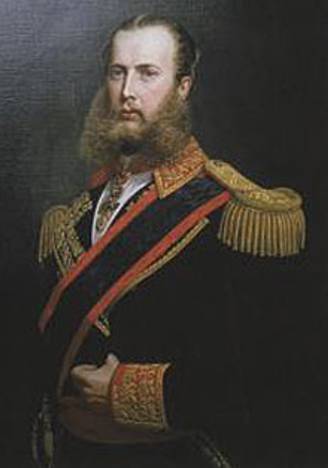
1867 – Austrian Archduke Ferdinand Maximilian, installed as emperor of México by French Emperor Napoleon III in 1864, was executed on the orders of Benito Juarez, president of the Mexican Republic.

1910 – The first Father’s Day was celebrated in Spokane, Washington; an idea credited to Sonora Louise Smart Dodd.
1911 – The first motion-picture censorship board was established in Pennsylvania.

1934 – The U.S. Congress established the Federal Communications Commission (FCC).

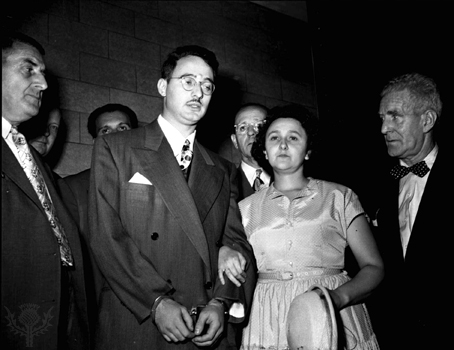
1953 – Julius and Ethel Rosenberg were executed in Sing Sing Prison in Ossining, NY, two years after being convicted of conspiring to pass U.S. atomic secrets to the Soviets.

Leave a comment

Filed under History

On June 18…

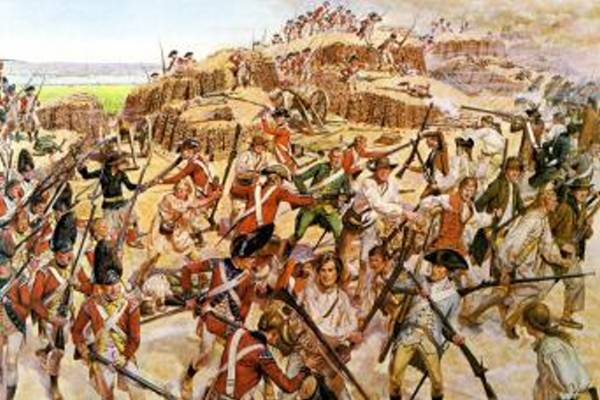
1778 – After 9 months of occupation, 15,000 British troops evacuated Philadelphia, the former capital of the United States.


1812 – The War of 1812 began, as the U.S. declared war on Great Britain.

U.S. Capitol after the “Burning of Washington.”


1815 – In Waterloo, Belgium, Napoleon Bonaparte was defeated by the Duke of Wellington.


1983 – Dr. Sally Ride became the first American woman in space, as she began her ride aboard the space shuttle Challenger.


Leave a comment

Filed under History

On June 17…

1579 – English navigator Francis Drake arrived in present-day San Francisco, CA, and proclaimed the region for Queen Elizabeth I.


1856 – The first national convention of the Republican Party was held in Philadelphia, PA.

1882 – Composer Igor Stravinsky (The Firebird, Petrouchka, The Rite of Spring, The Wedding, The Soldier’s Tale) was born in Oranienbaum, Russia.


1885 – The Statue of Liberty arrived from France in New York Harbor.


1928 – Amelia Earhart became the first woman to successfully fly across the Atlantic Ocean.


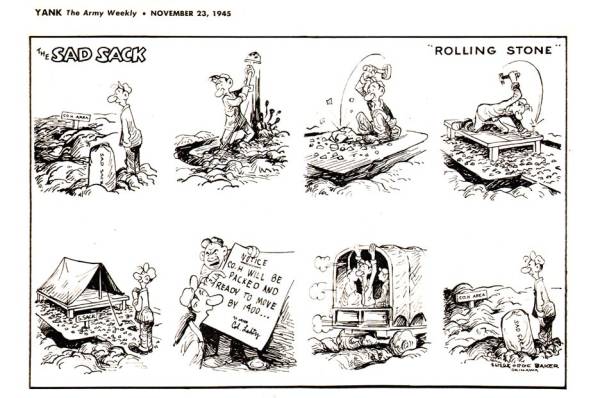
1942 – The Army weekly newspaper, Yank, coined the term “G.I. Joe” in a comic strip drawn by Dave Breger.


1950 – Dr. Richard H. Lawler performed the first kidney transplant in a 45-minute operation in Chicago, IL.

1972 – Five men were arrested breaking into the Democratic National Committee headquarters in the Watergate complex in Washington, D.C.  The arrest eventually led to the resignation of President Richard Nixon two years later.


1991 – The Parliament of South Africa repealed the Population Registration Act, the basis of apartheid laws in the country that required all South Africans to be classified at birth.  First implemented in 1950, it was the final apartheid law to be repealed, except for one that prevented Blacks from voting.

1994 – O.J. Simpson led Los Angeles police on a slow-speed chase along California’s I-405, 4 days after his ex-wife, Nicole Brown Simpson, and Ron Goldman were found murdered outside her home.


Leave a comment

Filed under History

On June 16…

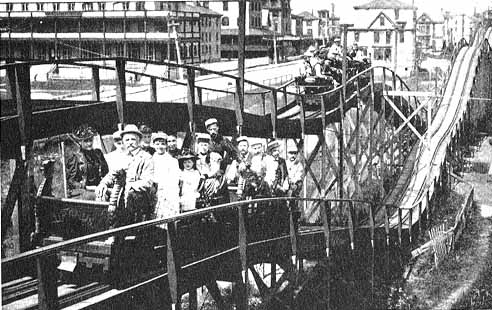
1884 – The first roller coaster in the U.S. opened at Coney Island in New York City.


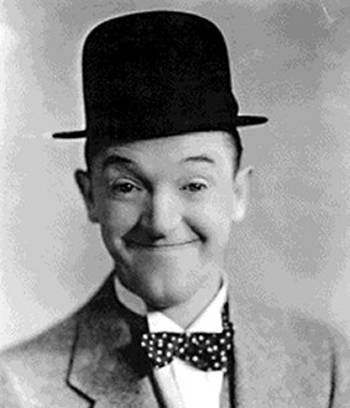
1890 – Actor – comedian Stan Laurel (Arthur Stanley Jefferson) was born in Ulverton, England.


1896 – A tsunami that some estimates say reached heights of 115 feet ravaged the Kamaishi and Sanriku coasts of Honshu Island Japan, killing more than 20,000 people.


1903 – The Ford Motor Company was incorporated when Henry Ford and other prospective stockholders met in Detroit to sign the official paperwork.

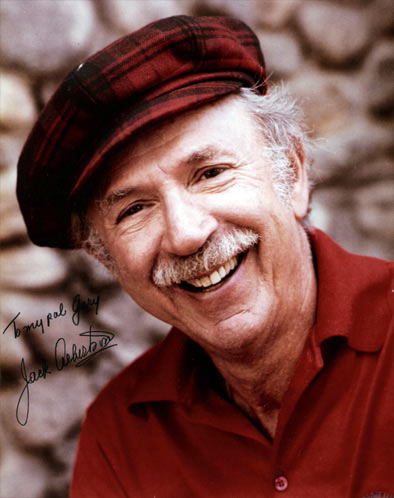
1907 – Actor Jack Albertson (Chico & The Man, Willy Wonka & the Chocolate Factory, The Poseidon Adventure) was born in Malden, MA.


1961 – Russian ballet star Rudolf Nureyev defected during a stopover in Paris.


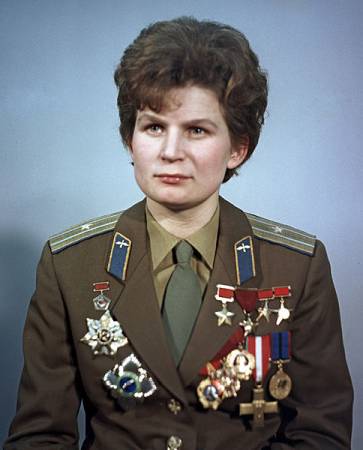
1963 – Valentina Tereshkova became the first woman in space as she blasted off in the Vostok 6 spacecraft for 3 days in orbit.

Leave a comment

Filed under History

On June 15…

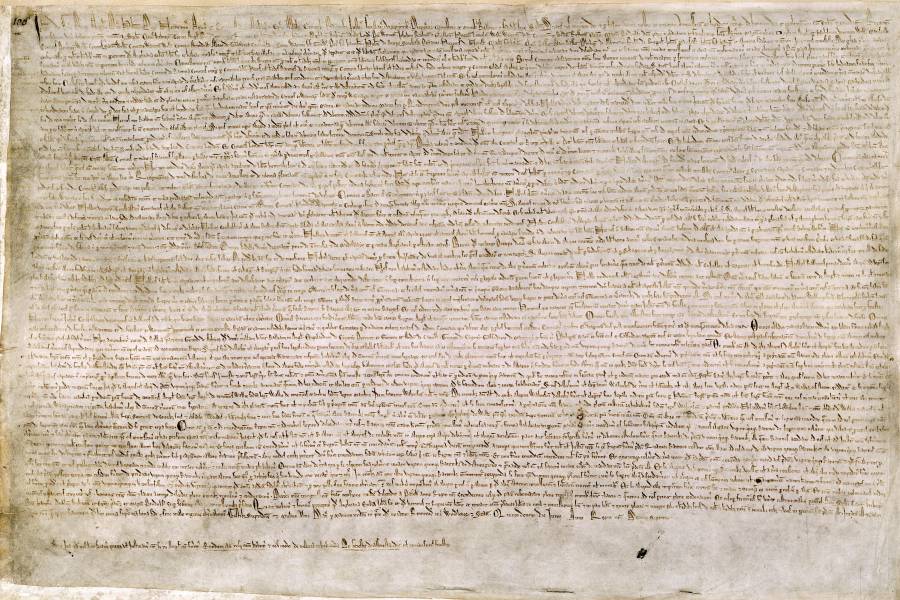
1215 – King John of England placed his royal seal on the “Magna Carta,” or “Great Charter,” the first charter of English liberties.

1776 – The Assembly of the Lower Counties of Pennsylvania declared itself independent of British and Pennsylvanian authority, thus creating the state of Delaware.

1836 – First acquired by the United States through the Louisiana Purchase, Arkansas officially became the 25th state of the union.  The state’s name is an interpretation of Quapaw, the Indian tribe that lived in the area.

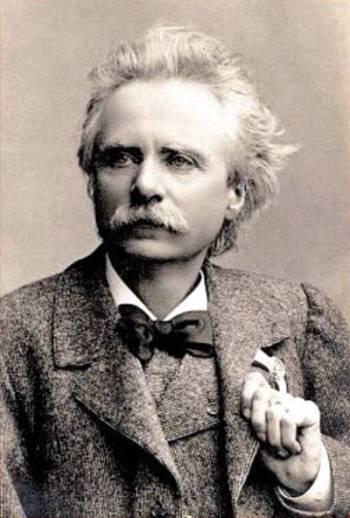
1843 – Composer Edvard Grieg (Peer Gynt Suite) was born in Bergen, Norway.

1844 – Charles Goodyear of New York City patented vulcanized rubber.

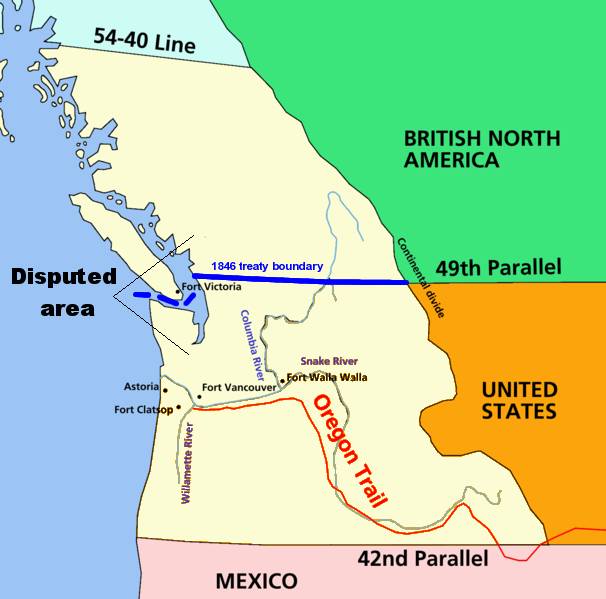
1846 – Representatives of the United States and Great Britain signed the Oregon Treaty, which settled a long-standing dispute over the Oregon Territory.

1877 – Henry Ossian Flipper became the first African-American graduate of the U.S. Military Academy in West Point, NY.

Leave a comment

Filed under History

On June 14…

1775 – The first U.S. military service, the U.S. Army, was established by a Congressional Resolution.


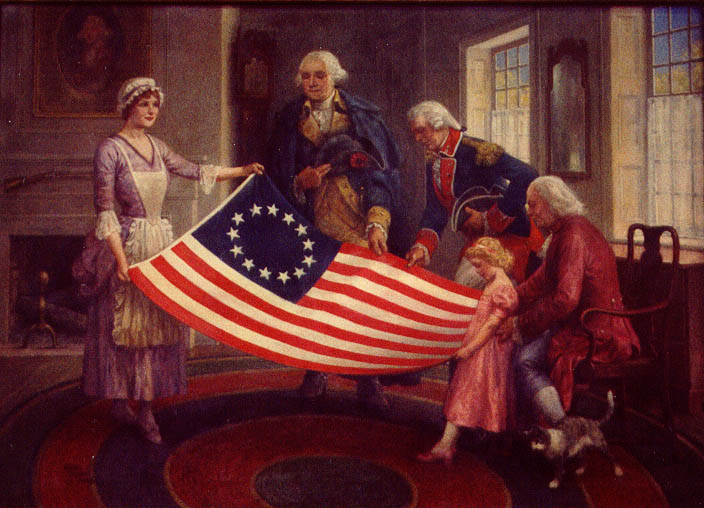
1777 – The Continental Congress adopted a resolution stating that “the flag of the United States be thirteen alternate stripes red and white” and that “the Union be thirteen stars, white in a blue field, representing a new Constellation.”


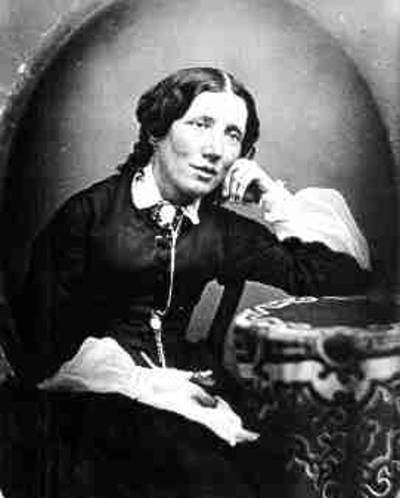
1811 – Author Harriet Beecher Stowe (Uncle Tom’s Cabin) was born in Litchfield, CT.


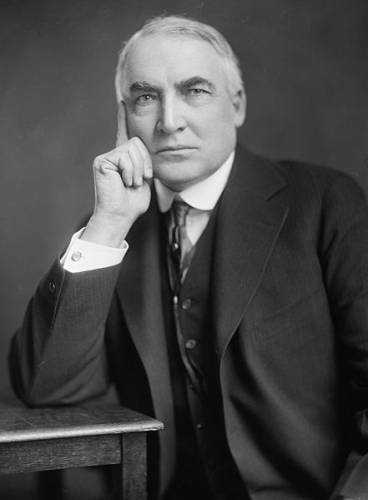
1922 – Warren G. Harding became the first U.S. President to be heard on radio, when he dedicated the Francis Scott Key Memorial and on radio station WEAR in Baltimore.


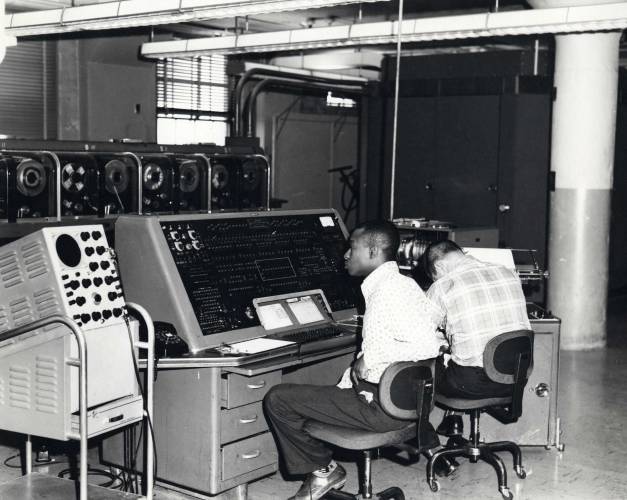
1951 – The U.S. Census Bureau unveiled UNIVAC 1, the world’s first commercially produced electronic digital computer, in Washington, D.C.  The massive computer was 8 feet high, 7-1/2 feet wide and 14-1/2 feet long.


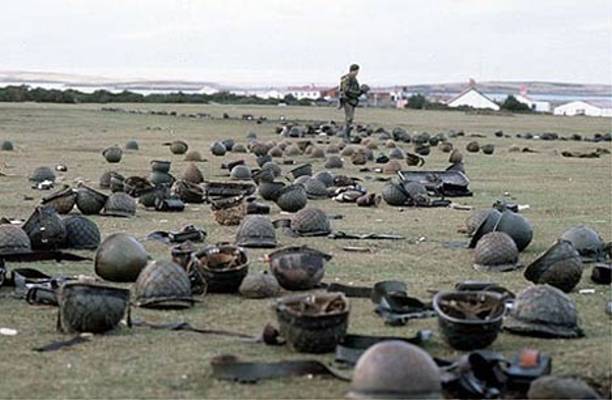
1982 – After 6 weeks of fighting, Argentina surrendered to British troops, ending a war over the Falkland Islands.  Argentina had invaded the British dependent territory in April 1982.  During the brief war, Argentina suffered 655 killed, while Britain lost 236.

Leave a comment

Filed under History

On June 13…

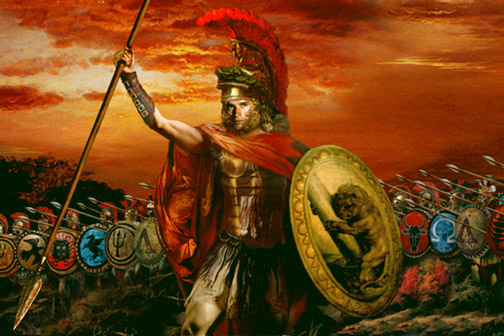
323 B.C. – Alexander the Great died in Babylon in present-day Iraq at age 33.


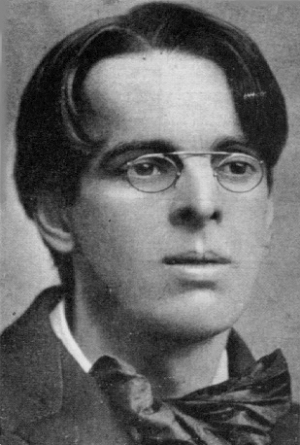
1865 – Poet William Butler Yates was born in Dublin.


1893 – Mystery writer Dorothy Sayers (Whose Body?, Murder Must Advertise) was born in Oxford, England.


1895 – The first documented automobile race occurred in France, a 732-mile course, from Paris to Bordeaux.  Emile Levassor and René Panhard won in a car Panhard had designed with a 2-cylinder, 750-rpm, and 4-horsepower Daimler Phoenix engine.  Traveling at a speed of about 15 miles per hour, they completed the race in just under 49 hours.

Panhard (L) and Levassor in their race car.


1944 – Marvin Camras patented the wire recorder, precursor of magnetic tape recorders.

Camras’ device, the “wirek.”


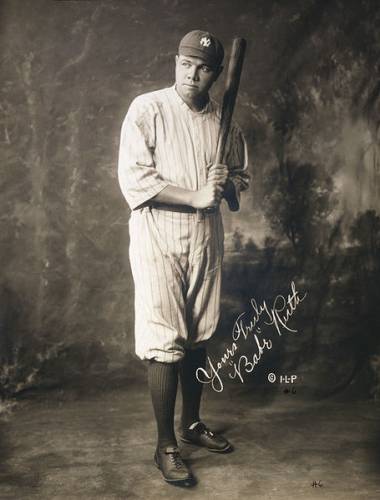
1948 – In a farewell ceremony at Yankee Stadium, Babe Ruth’s uniform was retired.  Ruth died 2 months later.


1966 – In a 5-4 ruling, the U.S. Supreme Court handed down its decision in Miranda vs. Arizona.

1967 – President Lyndon Johnson appointed U.S. Court of Appeals Judge Thurgood Marshall to the U.S. Supreme Court.


1971 – The New York Times published the first portion of the 47-volume “Pentagon Papers,” an analysis of U.S. military policy in Southeast Asia.  Daniel Ellsberg, a former defense department analyst, had stolen the documents, officially called The History of the U.S. Decision Making Process on Vietnam.

Ellsberg before the Senate in 1972.


1983 – Eleven years after it was launched, Pioneer 10, the world’s first outer-planetary probe, left the solar system.  Headed in the direction of the Taurus constellation, Pioneer 10 should pass within three light years of another star – Ross 246 – in A.D. 34,600.  Bolted to the probe’s exterior wall is a gold-anodized 6” x 9” plaque that displays a drawing of a human man and woman, a star map marked with the location of the sun, and another map showing the flight path of Pioneer 10.

Leave a comment

Filed under History