

“If there is any immortality to be had among us human beings, it is certainly only in the love that we leave behind. Fathers like mine don’t ever die.”
“If there is any immortality to be had among us human beings, it is certainly only in the love that we leave behind. Fathers like mine don’t ever die.”
Filed under News
Filed under News

In case you hadn’t realized it, Dear Readers, Santa Claus and Halloween clowns aren’t the only holiday figures that can boast unnerving images. Easter bunnies hold a considerable share of macabre visages. After all, what mammal besides a platypus do you know lays eggs? Of course, the platypus is trying to procreate. The Easter bunny seems to have more nefarious intentions – they hide their eggs and convince innocent little kids to look for them. Who does that?!
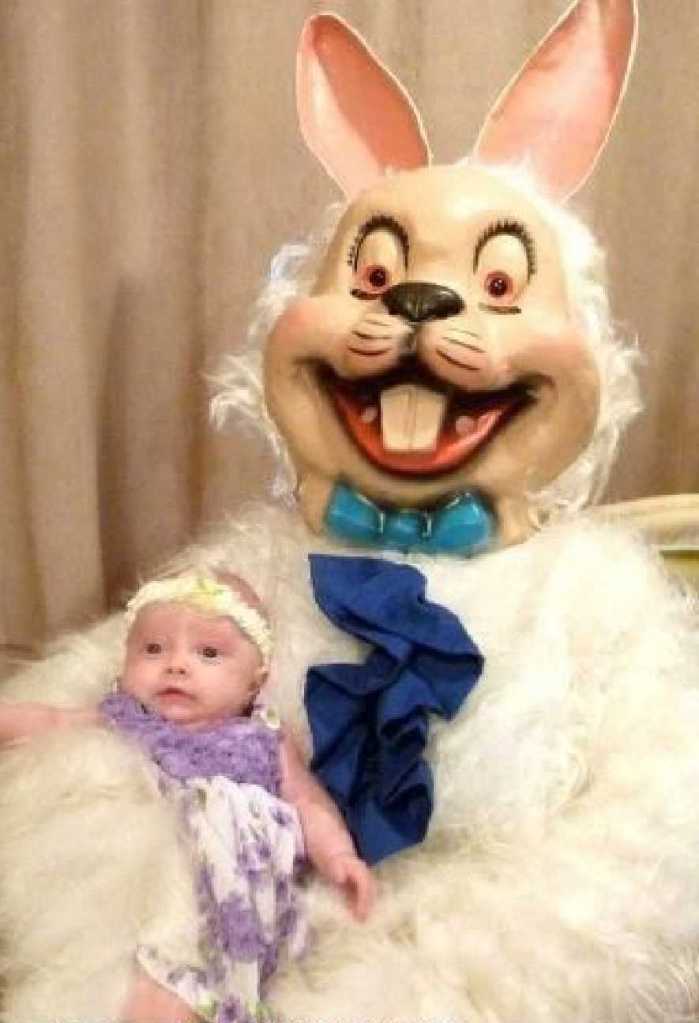
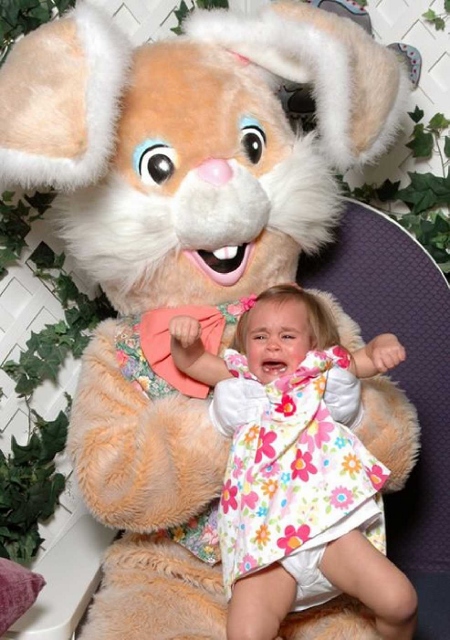

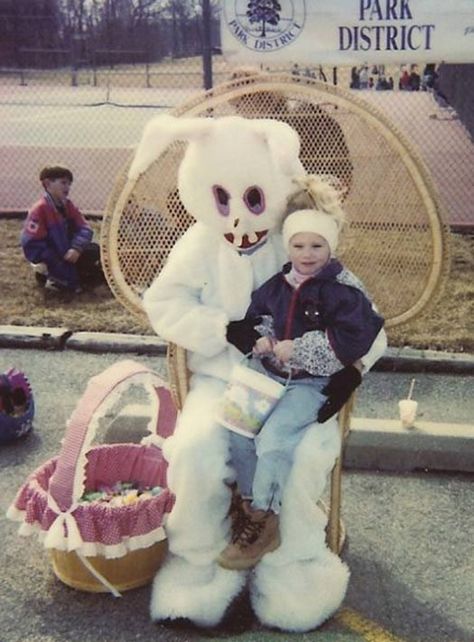
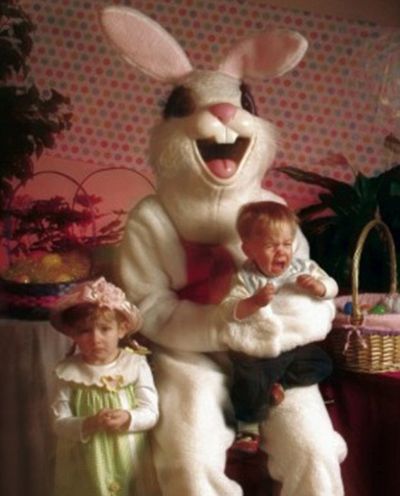
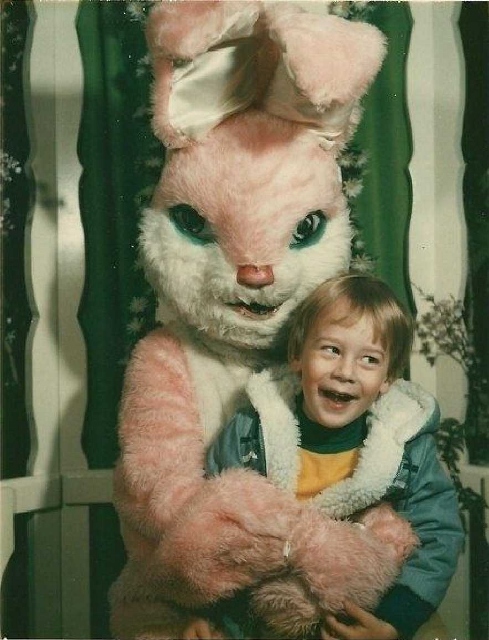
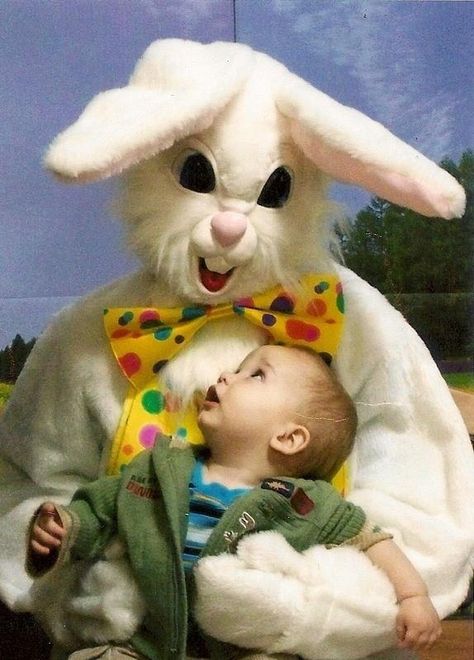


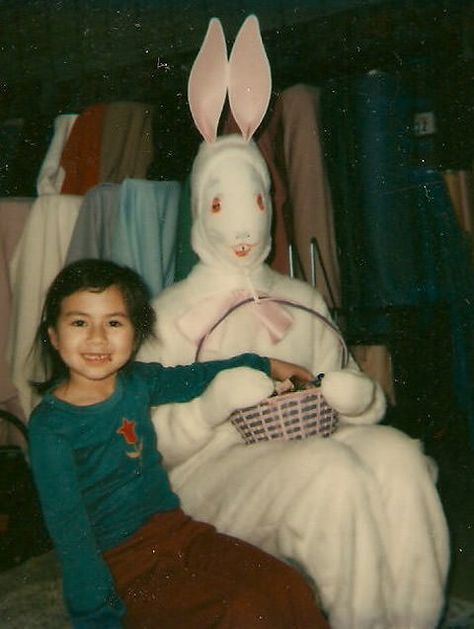

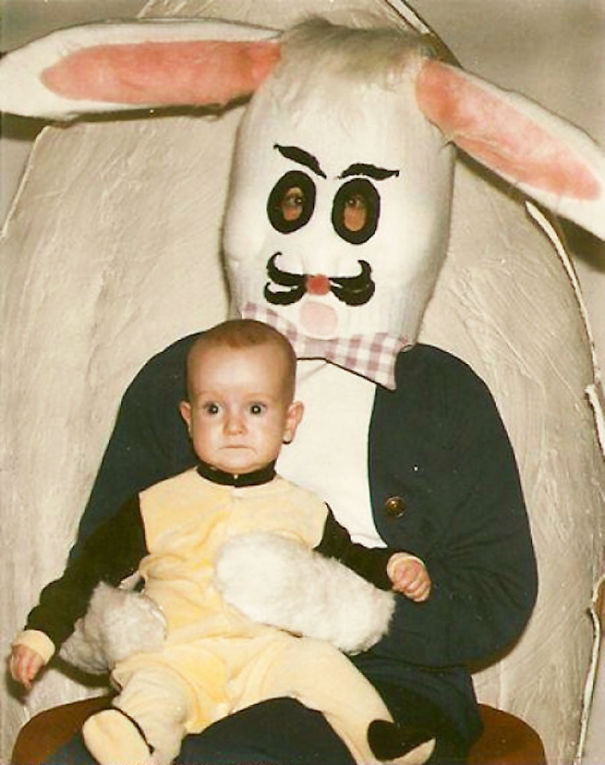
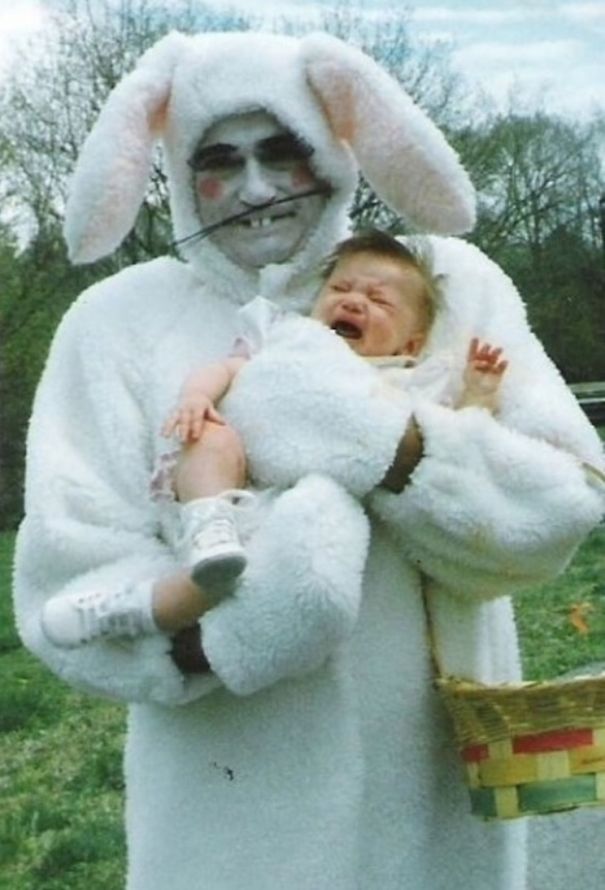

And, if you aren’t sufficiently alarmed by these photos, here’s Liam Neeson adding to the trauma:
Top image: Dave Whamond
Filed under Curiosities

It’s been nearly two years since the U.S. Supreme Court outlawed abortion and left it up to individual states to decide whether or not women should be able to decide what to do with their bodies. The Dobbs decision sent proverbial shock waves throughout the American conscience. For the first time in modern judicial history, a fundamental right was snatched away by a band of elitists who – like most extremists – feel they know what’s best for everyone else.
Now another abortion-related issue has come before the Court: whether mifepristone is legal or not. Basically this medication induces abortion without an individual having to visit a clinic. Recently the U.S. Food and Drug Administration expanded approval of the drug. That incited the ire of Alliance for Hippocratic Medicine, a conservative anti-abortion group that forced the matter onto the plate of the High Court. If the Dobbs decision is any precedent, things don’t look good for mifepristone.
I might have one solution to the overall problem of unwanted pregnancies: tax-free condoms. Even before I entered my teens, my father put the fear of the Almighty into my brain – never trust a girl when she says she’s on birth control. Of course, women should never trust a man when he says she can quit her job because he’ll make her his queen, but that’s a different dilemma.
To many men wearing condoms is comparative to showering while wearing a raincoat. (Points to anyone who has actually heard that firsthand.) But, as we saw with the AIDS epidemic, condoms are a safeguard. Personally I’m tired of hearing men say that birth control is a woman’s responsibility. A real man takes charge of his own birth control.
Unexpected pregnancies present more than a few challenges to an individual female. Children who come into the world unplanned and unwanted often end up being unloved; thus, they often become society’s problem. Two decades ago economists Steve Levitt and John Donohue hypothesized that a reduction in crime in the 1990s was one effect of the 1973 Roe v. Wade decision that legalized abortion nationwide. A strong economy and a greater presence of law enforcement, especially in major metropolitan areas, were also counted as dominating factors. But it was the abortion connection that prompted the most controversy – and greatest outrage. Liberals opined that abortion provided women with greater autonomy over their own health care, while conservatives pointed to a reversal of liberal social policies beginning in the 1980s as the primary reason for a reduction in criminal behavior. Either of these theories bears some truth.
Another interesting result of the Dobbs decision is the sudden rise in vasectomies here in the U.S. Perhaps some men are finally getting the hint that they also have reproductive choices. Institutes from the Cleveland Clinic to Planned Parenthood are noting an increase in vasectomies. It’s both logical and practical.
But I still think eliminating taxes on condoms will provoke younger and/or single men to buy and use them. As of now, I don’t know of any state that maintains this practice, but I still feel it would be worth the trouble. States will garner tax revenue on a slew of other products anyway. I’m fully aware condoms are not a panacea to solve unwanted pregnancies; no form of birth control outside of abstinence is. But, just as with the foolishness of “Just Say No”, abstinence only blanket ideology isn’t reasonable either. Children cost money – as any parent can tell us. They should be a blessing, not a burden.
Filed under Essays
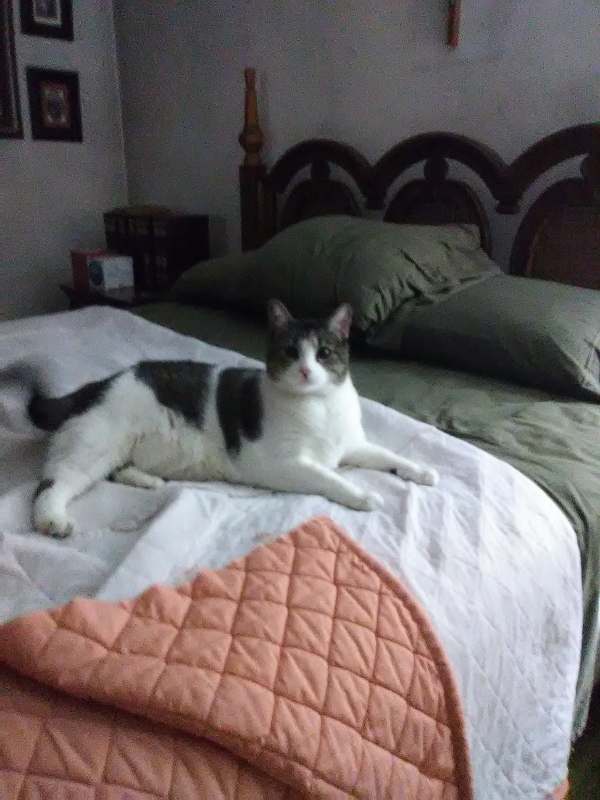
Leo – in typical feline fashion – trying to remain calm, while adapting to his new surroundings.
A couple of months ago I made a major decision. I decided to move my Uncle Wes* and his cat, Leo, in with me. Wes is my mother’s younger brother. He served in the U.S. Army in the 1960s and has been married only once; no children. A proverbial wild man, he’s led a rough life and is now paying the price for it. Bringing him here was no lightweight decision for me. No one else has lived here with me since my mother died in June of 2020. And Leo has the unique distinction of being the very first feline to step foot into this house. Outside of the occasional stray cat venturing into the back yard, no cat has ever been in here. Twenty years ago I underwent a formal allergy test and learned – as I’d long suspected – that I’m allergic to ragweed, mountain cedar and cat dander – among other things. Other things include stupid people, but that’s a different essay.
Despite not being a people person, I guess it’s my nature to want to help people who sometimes can’t fend for or take care of themselves. As cynical as I’ve become in my seven decades on Earth, a smattering of humanity still lurks deep within my soul. Besides, I prefer to care for those closest to me. I couldn’t stand the thought of Wes spending his remaining years in a state of uncertainty. Like anyone who’s lived into adulthood, he’s made his share of mistakes.
Wes had been living in a dumpy, one-bedroom, one-bath apartment with no washer and dryer in a neighboring Dallas suburb. Fortunately the laundry facility stood next door, but in an increasingly cashless society, he was frequently searching for quarters. He had three cats at one point, but Leo is the only surviving one left. On at least two occasions in the past year he fell in his apartment and couldn’t get back up.
Shortly after my mother died in June of 2020, a close friend told me my parents probably forgave me for never getting married and having children of my own; considering how I cared for them in their final years. Perhaps because I’ve often wondered how – being an only child – I would have handled their health problems if I’d had a spouse and kids. My paternal grandmother was fortunate; with seven adult children in her senior years, someone could always look out for her.
Thus, I have to think of what might happen to me if I get to be that age. My grandmother was 97 when she died, and both my parents lived into their 80s. Wes just turned 84.
I’m lucky if I hear from one of my first cousins and I only know a few of my neighbors. I’ve heard plenty of horror stories of elderly and/or disabled people dyeing alone in their homes and lay undiscovered for weeks or even months.
In early 1991 I recall reading one chilling report from a town in Massachusetts – police had discovered the remains of an elderly woman in her home. The most shocking fact of the case to me was that officials believe she died in July of 1989 because that’s when her banking transactions ceased. Another startling attribute was that she had two adult children. Her son admitted, however, that they’d been estranged from their mother for years. Neighbors also emphasized what a recluse the woman was. But, I asked myself, how could someone lie dead in their home for nearly two years before being found?
I’m a recluse; always have been and always will be an introvert. I used to loathe that, but now I cherish it. It’s just who I am. The aforementioned friend had also noted years earlier that he feared I was becoming a recluse because I rarely left the house. My mother was still alive at the time, and I feared leaving her alone because her mind was already sinking into dementia.
Whatever happens in the future, I’m glad I could get Wes to move in here. We get along great, and it’s actually nice having someone else in the house. It’s also nice having an animal in the house. I just have to keep Leo off my bed!
*Name changed
Filed under Essays
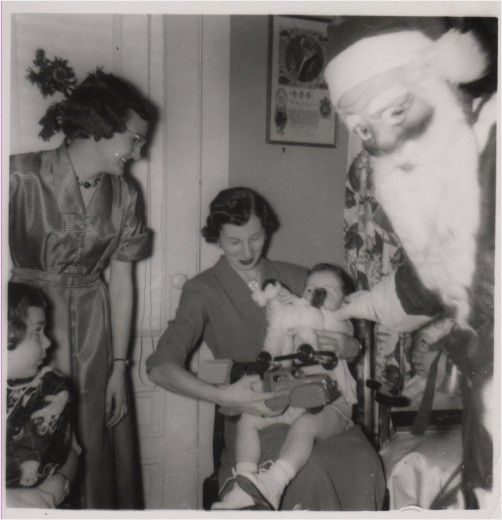
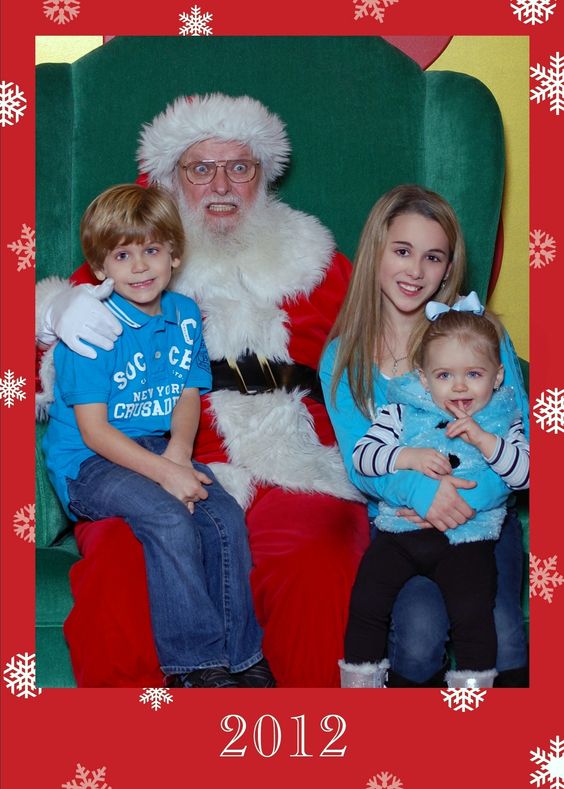
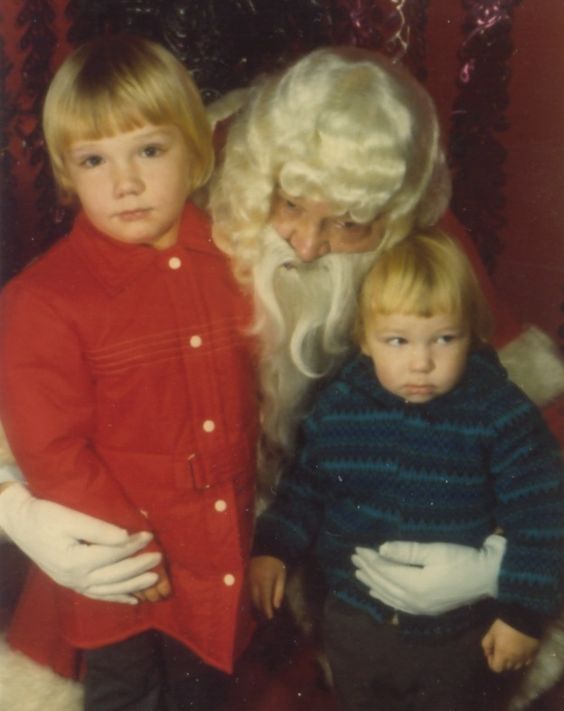
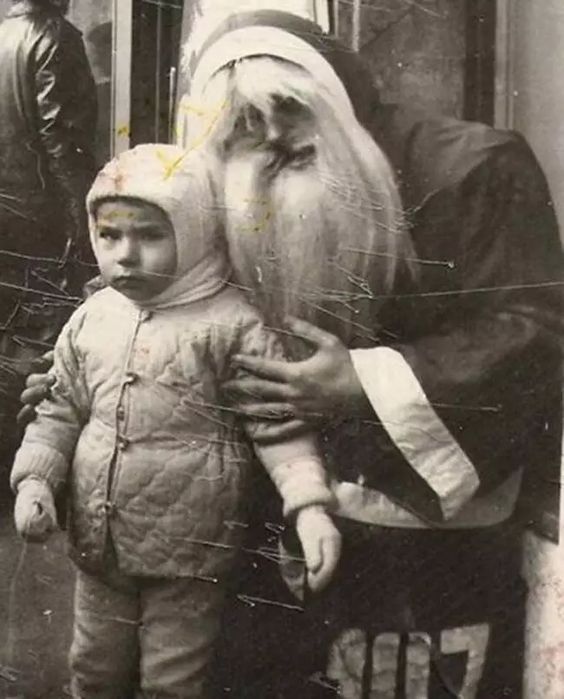
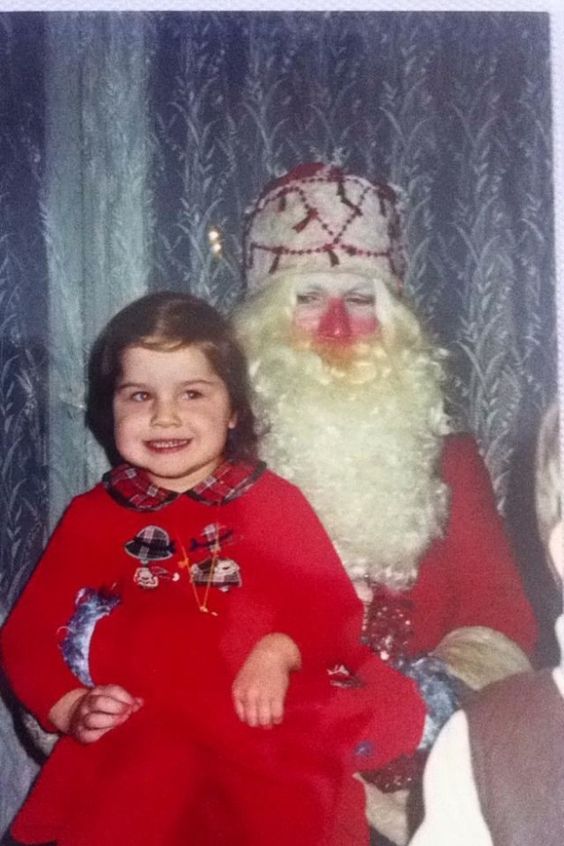
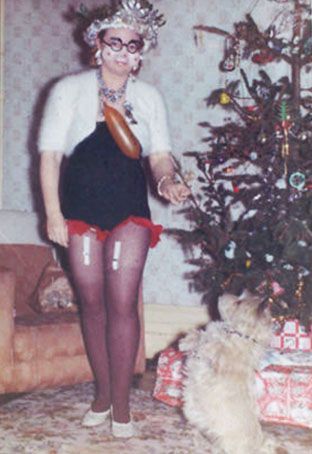
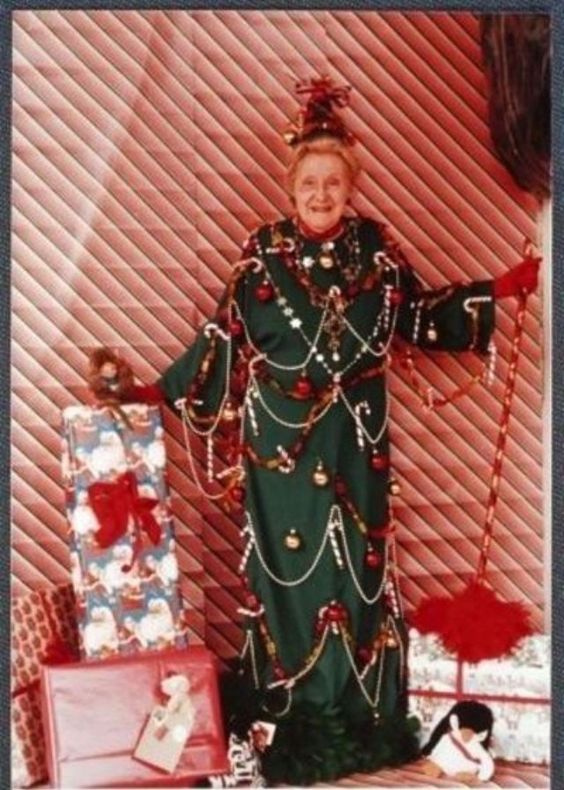
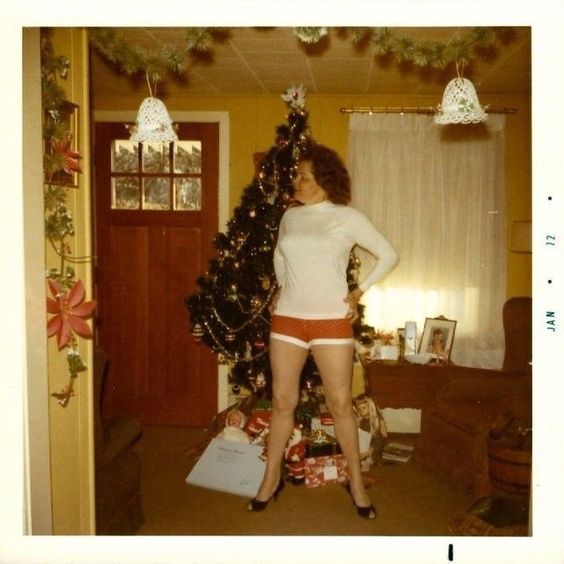
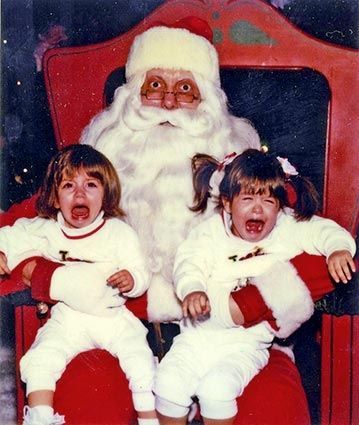
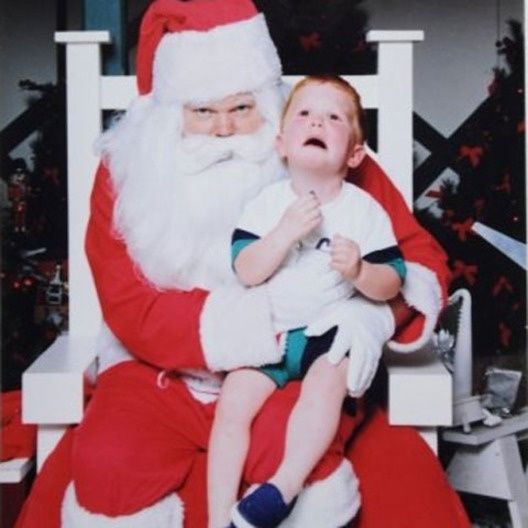
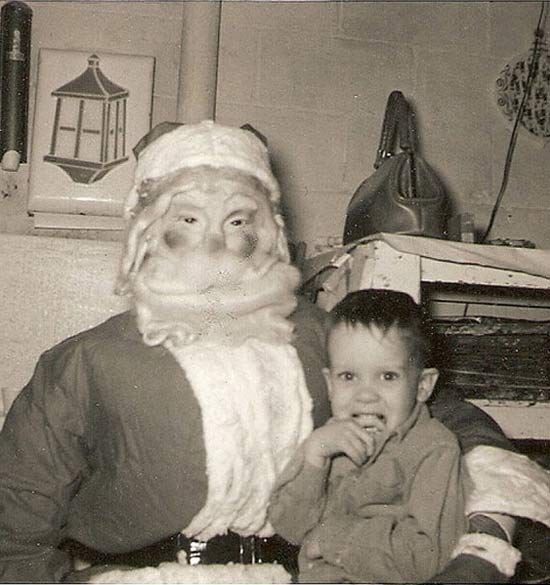
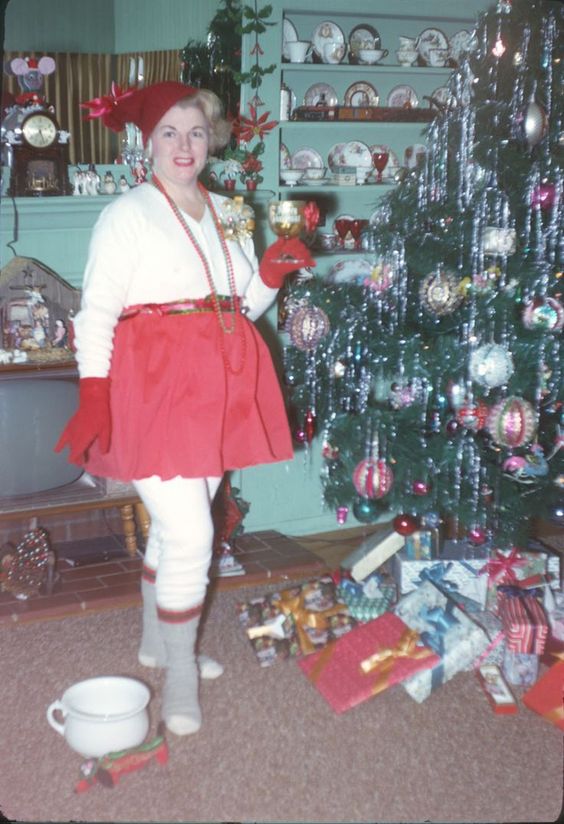
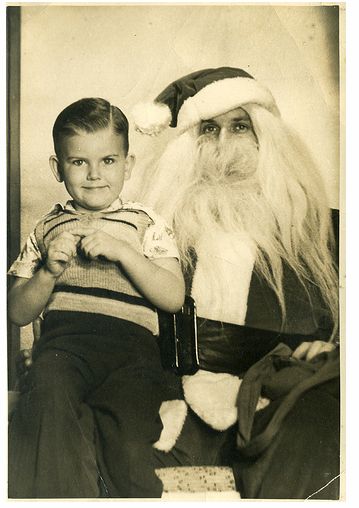
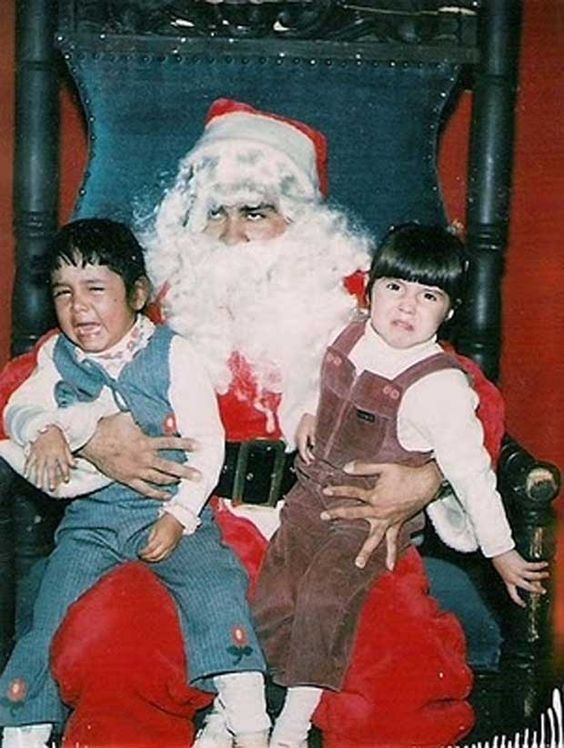
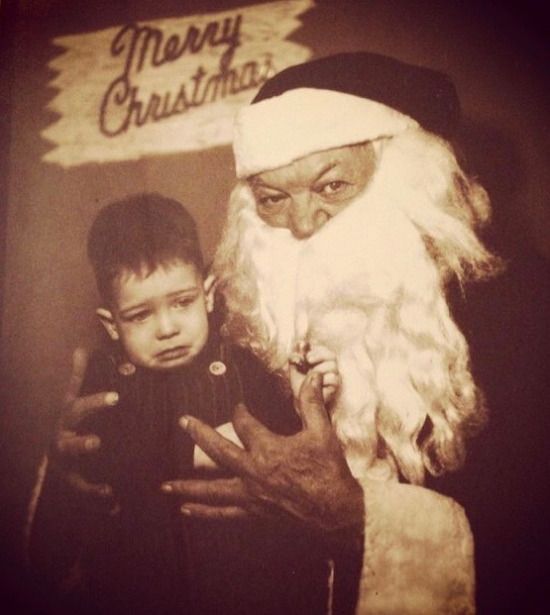
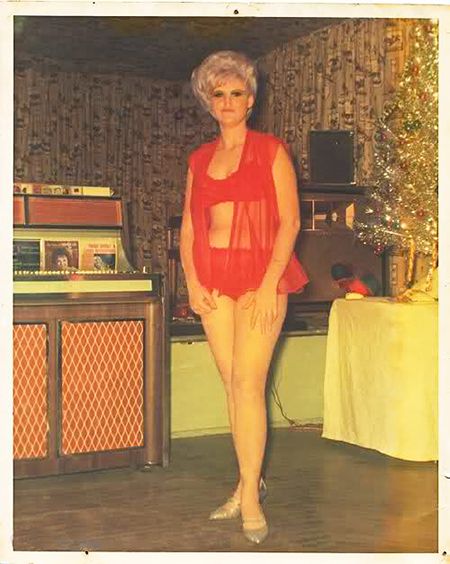
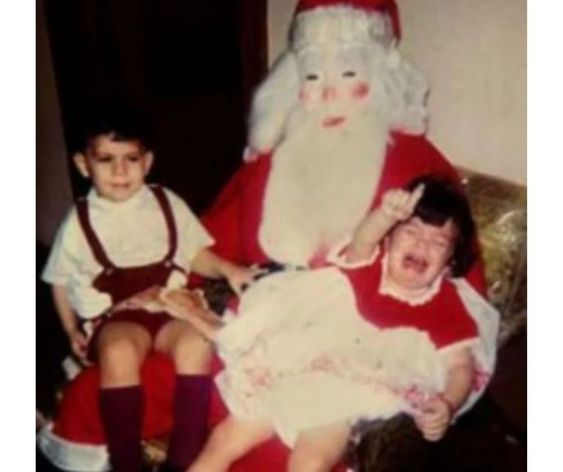
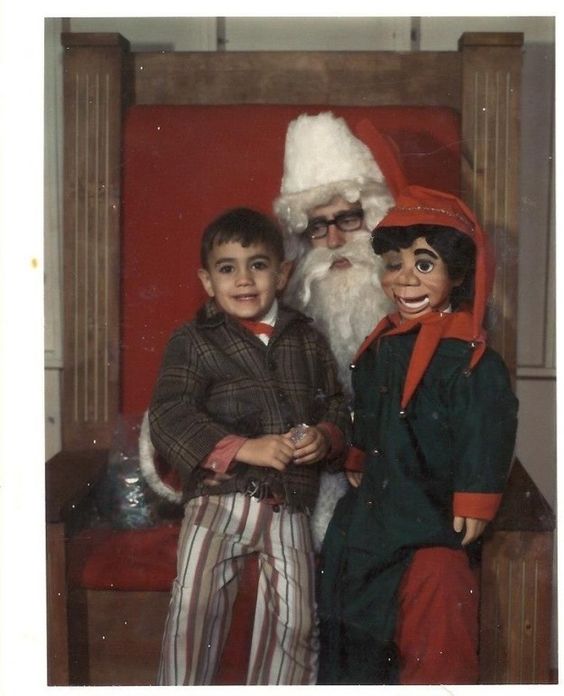
This time of year – when everyone is supposed to express love for their fellow humans and hope for a more peaceful world – is also when the strangest elements of humanity seem to arise. Happy freaky holidays!





Filed under Curiosities

The crucifix pictured above is something I carry with me whenever I leave the house. Although I was raised Roman Catholic, I am not devoutly religious and don’t subscribe to any religion. I’m more spiritual, if anything. But the crucifix is something that connects me to my father who died seven years ago. He used to carry it around in his car. After he passed, I started toting it around with me. Everywhere! Whenever I leave the house – no matter where I go – it’s in my pocket.
Once, a couple of years ago, I had the sudden urge for a late-night cheeseburger, so I hopped into my truck and scampered to a nearby burger joint. (I normally don’t eat fast food, but this was a weak moment for me.) After I returned home, I began emptying my pockets – and was startled to realize I didn’t have the crucifix with me. I hurried back out to the truck and feverishly searched as much of it as I could; working up a minor sweat and panicking. I was genuinely upset and almost horrified. How could I lose something so important to me? And, more importantly, where could it be?
I rushed back into the house, breathing heavily and completely frantic. I didn’t know where to look next. But then I returned to my bedroom and pulled open the dresser drawer where I keep my keys and other such items – including the crucifix. And there it was – sitting quietly atop a handkerchief. I hadn’t taken it with me when I left to get the food. The sense of relief was immense – and almost laughable.
I got that upset over an old crucifix? Well…yes!
I don’t know where my father got it or when. I don’t even know at what point he placed it into the side panel of his 2002 Chevy Malibu. But it’s obviously old. My parents gathered a large collection of crucifixes over the years, which I still have.
As I declared, it’s simply something that connects me to my father. On this Father’s Day weekend, it’s even more important.
I’m curious to know if any of you have similar items; something that bears such personal significance to you – and only you – that it’s become an integral part of your life. Please share.
Filed under Essays
Filed under News
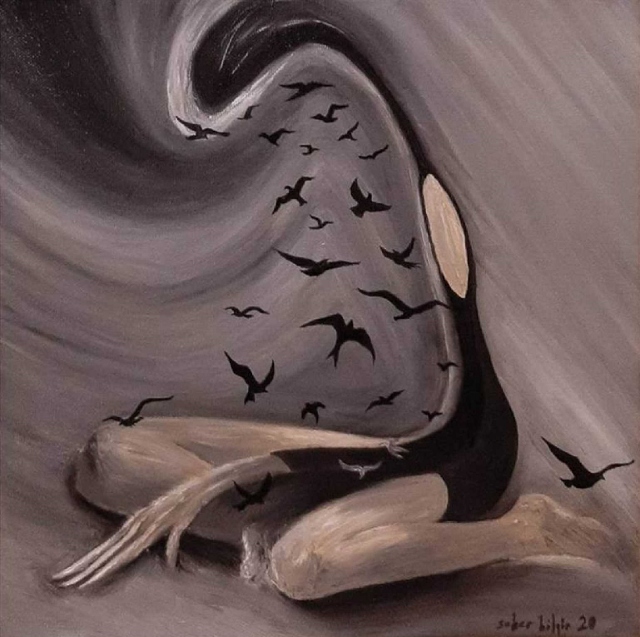
Recently the U.S. Department of Health and Human Services released a report on a surprising, yet intriguing subject: loneliness. According to various studies and surveys, isolation and a lack of social connectivity has become epidemic. The COVID-19 pandemic may have exacerbated what was already problematic for millions of Americans.
“Our epidemic of loneliness and isolation has been an underappreciated public health crisis that has harmed individual and societal health,” declared U.S. Surgeon General Dr. Vivek Murthy. “Our relationships are a source of healing and well-being hiding in plain sight – one that can help us live healthier, more fulfilled, and more productive lives. Given the significant health consequences of loneliness and isolation, we must prioritize building social connection the same way we have prioritized other critical public health issues such as tobacco, obesity, and substance use disorders. Together, we can build a country that’s healthier, more resilient, less lonely, and more connected.”
The physical health consequences of poor or insufficient connections are dire. They include a 29% increased risk of heart disease; a 32% increased risk of stroke; and a 50% increased risk of developing dementia for older adults. Lack of social connections is estimated to increase the risk of premature death by more than 60%.
In addition to our physical health, loneliness and isolation contribute substantially to mental health challenges. In adults, the risk of developing depression among people who report feeling lonely often is more than double that of people who rarely or never feel lonely. Loneliness and social isolation in childhood increase the risk of depression and anxiety both immediately and well into the future. And with an estimated one in five adults living with a mental illness in the U.S., addressing loneliness and isolation has become critical in fully addressing the mental health crisis in America.
For better or worse, the COVID-19 pandemic exposed the loneliness dilemma. It also seems to have amplified it. As businesses either switched to remote work or shut down altogether, people found themselves isolated in the name of good health. I think much of this was foretold by the obsession with social media in the preceding two decades; where people would establish cyber relationships and call each other “friends”.
As an only child and a confirmed introvert, I’ve dealt with loneliness my entire life. Sometimes I really do get lonely; other times I’m just alone. I’ve always been a loner – something my parents never seemed to understand – and I’ve rarely done well in groups. I get bored easily and quickly grow tired of dealing with people’s attitudes and personality quirks. I put up with a lot of people’s disrespectful behavior towards me most of my life, which is the primary reason I don’t consider myself a people person.
But I have to admit I do get lonely sometimes. I’m glad my parents had each other and me (and even my dog, Wolfgang to some extent) as they aged. One of my uncles lives alone in a dingy apartment with a cat. (An older cat died a few months ago, which devastated him.) He can’t drive anymore, so he either takes a bus or has someone transport him somewhere. I’ve taken him to a variety of doctor appointments over the past few years and grocery shopping almost every weekend for months now. His stepdaughter lives closer, but she has her own health problems.
I have an aunt who also lives alone. Her son, like me, is an only child, but he’s married and resides several miles from his mother. She’s fortunate, though, in that a neighbor has access to her house and keeps an eye on her. My aunt frightened me a few years ago, when she recounted how she fell in the bathroom one night and had to drag herself into her bedroom. It took her hours just to get there. But she was able to call her neighbor who contacted the fire department. I stay in touch with my uncle and aunt, as well as other relatives and friends – even if it’s just via text message.
I only know a few of my neighbors and have little contact with most relatives. I’ve never been married and I never had children, so I don’t know how life will be for me if I grow much older. Loneliness will be just one factor in my later life.
Some years ago a friend expressed concern that I was becoming a hermit. “Why should I go out?” I responded. I lived with my parents, so I certainly couldn’t bring anyone home. Then again, I hadn’t brought anyone home who I didn’t know since before the turn of the century.
A close friend keeps urging me to get a dog, as he did a couple of years ago. Aside from two household plants that languish nondescriptly on a kitchen counter, I’m the only living being in this house. (That doesn’t include the occasional insect that invades my quiet abode.) I’d love to get a dog, but I’m just not in the right situation now to get one.
Dr. Murthy has established a six-point plan to help the U.S. deal with its loneliness epidemic:
All of this is easier said than done, and every plan looks good on paper. But I know something has to be done, if the nation’s overall health is to improve. I only have a small collection of friends, but that’s all I personally need. As with most everything else, it’s quality, not quantity, that matters. And quality of life is always important.
Image: Seher Bilgin
Filed under Essays
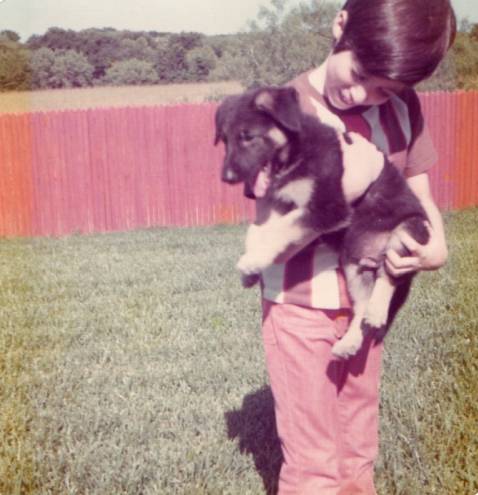
Me at age 9 with my new puppy in the summer of 1973
Today, May 31, marks the 50th anniversary of the birth of my first dog, Joshua or Josh. When my parents bought this house in suburban Dallas in 1971, they promised to get me a dog. From the time I was very young, I realized I liked dogs and I wanted one of my own. My folks decided on a German shepherd. My mother had to swallow her phobia of big dogs. Around the age of 6, she and her older sister saw a man in their México City neighborhood be attacked by a Doberman. It was a sight neither of them could ever forget.
In June of 1973, after we got settled into our new house, my mother called a local group that dealt with German shepherds. (I can’t remember the name.) They put her in contact with a nearby breeder. About a month later my father and I visited the home of the family who had German shepherd puppies for sale. They were a relatively young couple who had children about my age. They had five puppies for sale. As we surveyed the litter, one stepped forward towards me.
“This one,” I told my father. And that was it. I had my puppy – or I would in a few weeks, after he’d been fully weaned. He cost $100, and my father gave the man an extra $50 for the kids.
Naming the puppy was a different task. Both my parents were trying to determine what would be the best name for the dog. We had a book entitled “Name Your Baby”, first published in 1963 by Lareina Rule, and after scouring through it, I finally came upon Joshua – an ancient Hebrew name meaning “God of salvation.” And, just as I’d selected the puppy, I had selected his name.
Josh grew quickly. By the end of 1973, he had reached his full adult size. Topping out at roughly 100 pounds, we often didn’t realize how big he was until we brought him inside the house; especially during the hot summer months.
I have too many stories about Josh to recount here, but as with most pets, he became a treasured member of our family. My father would eventually describe him as majestic. Josh developed the perfect markings of a German shepherd: solid black fur with an auburn glaze on his back; triangular ears that seemed to move of their own accord when he heard something; and a bark that could echo through the air. A neighbor said she knew something was different in the area when she heard Josh barking. And he would only bark if something was awry in the neighborhood. Ironically Josh was practically scared of my mother, as she only had to roll up the TV guide for him to drop to the floor. “If he only knew that all he had to do was bark at me, and I’d faint,” she often joked.
In his later years, the hairs around Josh’s face began to gray, and we could tell arthritis was settling into his frame. He was moving slower, and we often brought him inside during cold weather. In March of 1985, Josh’s health began to worsen. His hind legs would periodically collapse, and by April he was pretty much dragging those legs.
On Saturday, April 6, we took him to his local veterinarian. We had doped him up on tranquilizers, and my father and I had to carry him into the office. As we slowly ambled across the parking lot, I noticed a man standing several feet away with a young girl who held a leash attached to a small white dog. I will never forget the look of absolute horror on that girl’s face; her eyes widened, as they locked onto my father and I carrying Josh into the building.
The news wasn’t good. Spurs had developed beneath the latter half of his spine, which the doctor could dissolve with medication. But Josh’s hips had deteriorated too badly to be saved. We had to put him to sleep.
I stared at him lying on the floor in an exam room, drowsy and sad-looking; a strap around his jaw. Even tranquilized Josh was still able to snap at the staff. One of them, a young woman, escorted out through a side door with moistened eyes. The veterinarian looked as if he was using all his strength to prevent himself from bursting into tears.
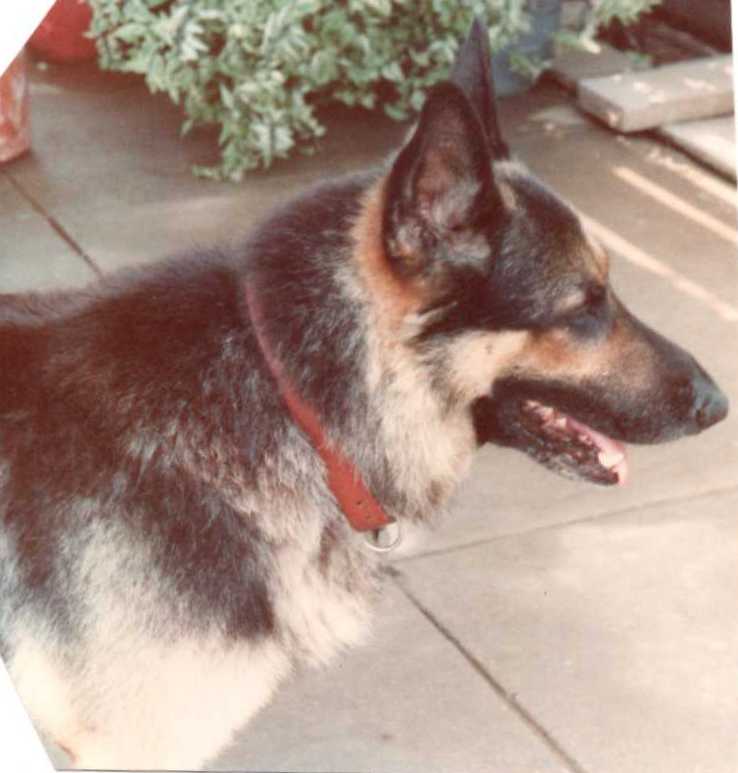
Josh in the fall of 1983
That year, 1985, was already turning out badly. Almost from the start, everything went wrong in my life. Josh’s death was just one part of it all, but it was the worst part.
My father was a gardening enthusiast. Buying this house with so much space for flower beds and lawns created a slice of heaven on Earth for him. He almost always wore gloves while digging around in the dirt – and Josh seemed to have a disdain for them. When my father wasn’t looking or wasn’t around, he’d snatch them away and bury them somewhere in the back yard. One Saturday about a year after Josh’s death, my father was busy in the back yard when he suddenly uncovered one of his gloves entrenched in the dirt. He stopped for a moment, he said, and had to compose himself.
Recently I began rummaging through some old documents my father had compiled and came upon batches of photographs we had taken of Josh, starting from the time he was a puppy. I had been through those documents before, so I was surprised I just now found those photos. In the process of scanning them, I’ve had to stop and gather my thoughts. Looking at old pictures always awakens a variety of emotions in people.
That dog meant so much to my parents and me, and losing him was incredibly painful. That’s why, when my last dog, Wolfgang, turned 10 in 2012, I began preparing myself for his inevitable demise. Thus, when he did pass four years later, I was able to handle it better.
Another difference in the deaths of both dogs is that I was able to get Wolfgang’s cremated remains in a small wooden box. In 1985 people just had to leave their deceased pets in the care of the vet who would incinerate and then dispose of them. Either that or you buried the animal in the back yard somewhere, which some people actually did. I kept Josh’s collar and tags, which I still have. And I have these old photos. One of them sits on the fireplace hearth, on the far left, looking towards my parents’ urns – still guarding them in a way.
Happy 50th Birthday, Josh!
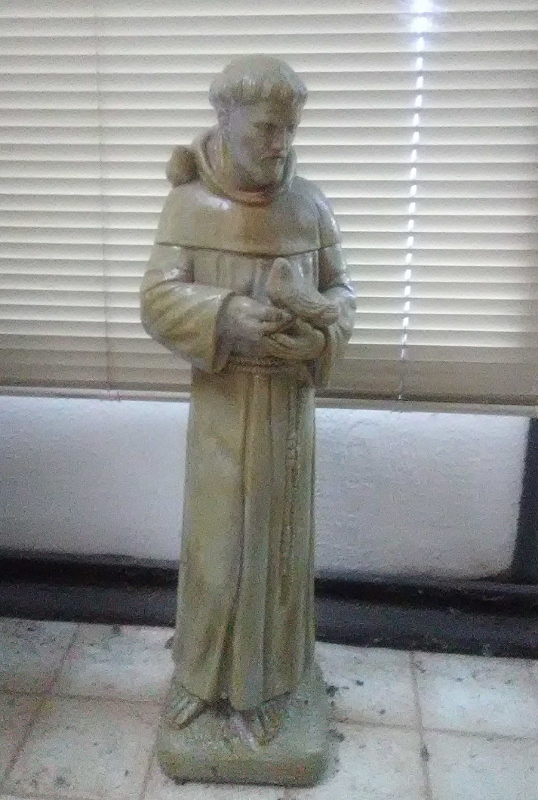
Several months after Josh died, my father bought this status of St. Francis of Assisi to place in our back yard. St. Francis of Assisi is the patron saint of animals in the Roman Catholic faith.
Filed under Essays


 Chief Writing Wolf