
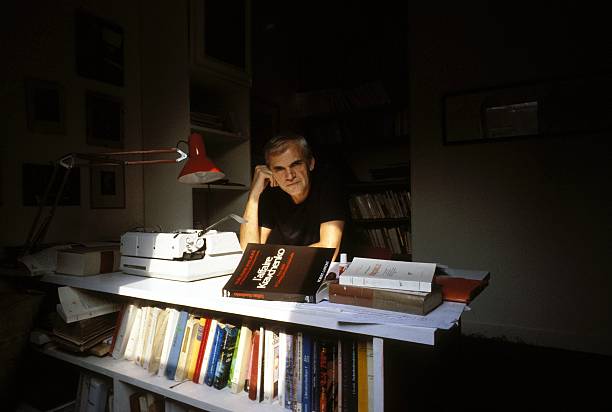
“The worth of a human being lies in the ability to extend oneself, to go outside oneself, to exist in and for other people.”
“The worth of a human being lies in the ability to extend oneself, to go outside oneself, to exist in and for other people.”
Filed under News
Filed under News
In light of this week’s decisions by the U.S. Supreme Court that seem to undercut the value of the “Great American Experiment”, here’s a great piece about one of the most progressive presidents of the 20th century – Franklin D. Roosevelt.
In the final paragraph of the address he delivered at the Democratic National Convention on July 2, 1932, Democratic presidential candidate, Franklin Delano Roosevelt concluded his speech with the words: “I pledge you, I pledge myself, to a new deal for the American people.” That promise of a “new deal” was taken up by his campaign, the press, the public, and later historians of the era to describe the wide scope of economic experiments, reforms, and alphabet-soup programs prescribed by FDR as remedies for the Great Depression. The federal government’s relations with Indian tribes would also undergo a radical departure from policies and practices that could be traced back to the earliest years of European colonization and the foundation of the American Republic. Although far from perfect and predictably paternalistic, the Roosevelt Administration’s dealings with the aboriginal peoples living on reservations in the United States most definitively constituted a “New…
View original post 1,921 more words
Filed under News

Marlene, I’m okay.
Mother?
Yes.
Where are you?
I’m alright. Don’t worry.
I am worried. I’m so sorry.
Well…it’s okay for now. But I’m alright.
I hope so. I’m so sorry for everything. I just wished I’d been a better daughter.
Well, you did what you could.
But it wasn’t enough.
You did what you could.
So…how is it? Over there?
Here on the other side?
Yes.
It’s wonderful! It’s so much better than even I expected.
How…how so?
I can’t describe it.
Just give me an idea…if you can.
Why are you so curious about this?
I just am! I mean…who wouldn’t be?
Well…it’s like you’re so eager to join me.
Well…no – not yet.
Not yet? Really?
Well…please tell me something about it. What it’s like.
I can’t help but laugh. You have everything you wanted now. The house, the furniture, my jewelry…everything.
I know. I just realize how…rough it’s been.
Rough? For you?
Um…yes.
Interesting to hear you say that.
I’m sorry, Mother. I really am.
Are you?
Yes.
Why? Why do you say that now?
I…I…I just…do. I don’t know why.
You don’t know why?
Well…I…I guess…
What?
I was just wondering…how you felt.
About…?
This…everything.
You got everything you wanted – all of it.
I know.
And you wanted to know what it’s like here? On this side?
Yes.
I know everything. But I wanted to hear you say it.
Please forgive me.
Oh yes. I can forgive you.
You can?
Of course. I regret nothing. I want nothing. Unlike you.
I’m sorry.
Why? Why are you saying it like that?
I just…do…just…sorry.
Why? This is all because of you.
I…I…can’t…
Why are you at a loss?
I…I…just…I just am.
You know what happened. I regret nothing. My mind is clear.
I know.
So tell me – why do you want to know so badly what it’s like here on the other side? After all…you’re the one who sent me here.
Filed under Wolf Tales
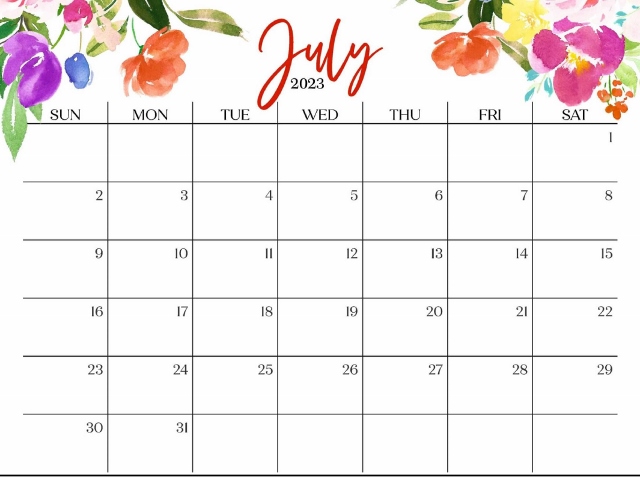
Events in the month of July for writers and readers
Good Care Month
National Anti-Boredom Month
National Blueberry Month
National Culinary Arts Month
National Lost Pet Prevention Month
National Picnic Month
Read an Almanac Month
Social Wellness Month
South Asian Heritage Month
Wild About Wildlife Month
Filed under News
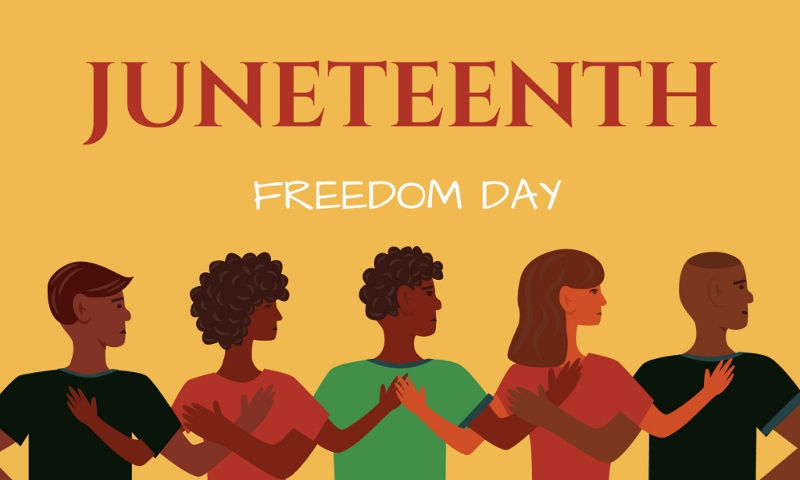
“Juneteenth was never about commemorating a delayed proclamation, but about celebrating a people’s enduring spirit.”
Filed under News

The crucifix pictured above is something I carry with me whenever I leave the house. Although I was raised Roman Catholic, I am not devoutly religious and don’t subscribe to any religion. I’m more spiritual, if anything. But the crucifix is something that connects me to my father who died seven years ago. He used to carry it around in his car. After he passed, I started toting it around with me. Everywhere! Whenever I leave the house – no matter where I go – it’s in my pocket.
Once, a couple of years ago, I had the sudden urge for a late-night cheeseburger, so I hopped into my truck and scampered to a nearby burger joint. (I normally don’t eat fast food, but this was a weak moment for me.) After I returned home, I began emptying my pockets – and was startled to realize I didn’t have the crucifix with me. I hurried back out to the truck and feverishly searched as much of it as I could; working up a minor sweat and panicking. I was genuinely upset and almost horrified. How could I lose something so important to me? And, more importantly, where could it be?
I rushed back into the house, breathing heavily and completely frantic. I didn’t know where to look next. But then I returned to my bedroom and pulled open the dresser drawer where I keep my keys and other such items – including the crucifix. And there it was – sitting quietly atop a handkerchief. I hadn’t taken it with me when I left to get the food. The sense of relief was immense – and almost laughable.
I got that upset over an old crucifix? Well…yes!
I don’t know where my father got it or when. I don’t even know at what point he placed it into the side panel of his 2002 Chevy Malibu. But it’s obviously old. My parents gathered a large collection of crucifixes over the years, which I still have.
As I declared, it’s simply something that connects me to my father. On this Father’s Day weekend, it’s even more important.
I’m curious to know if any of you have similar items; something that bears such personal significance to you – and only you – that it’s become an integral part of your life. Please share.
Filed under Essays
Filed under News
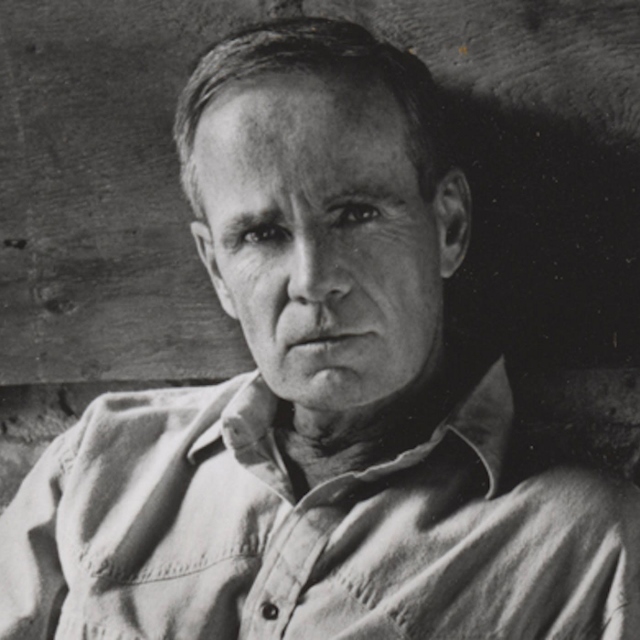
“My perfect day is sitting in a room with some blank paper. That’s heaven. That’s gold, and anything else is just a waste of time.”
Filed under News
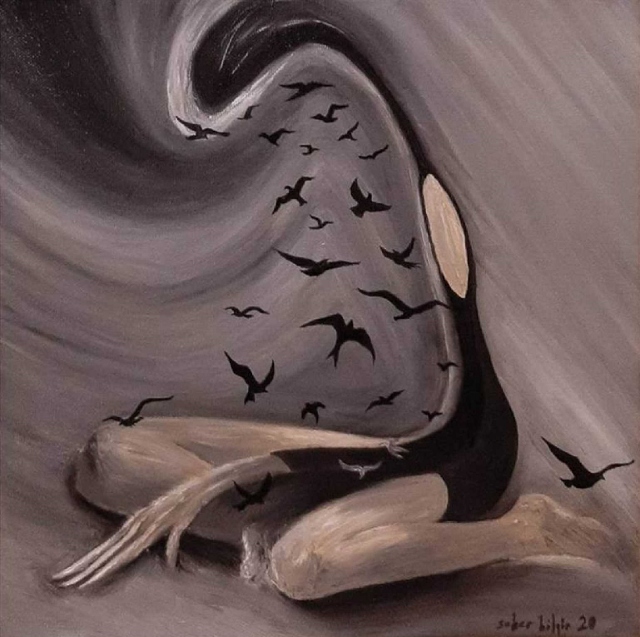
Recently the U.S. Department of Health and Human Services released a report on a surprising, yet intriguing subject: loneliness. According to various studies and surveys, isolation and a lack of social connectivity has become epidemic. The COVID-19 pandemic may have exacerbated what was already problematic for millions of Americans.
“Our epidemic of loneliness and isolation has been an underappreciated public health crisis that has harmed individual and societal health,” declared U.S. Surgeon General Dr. Vivek Murthy. “Our relationships are a source of healing and well-being hiding in plain sight – one that can help us live healthier, more fulfilled, and more productive lives. Given the significant health consequences of loneliness and isolation, we must prioritize building social connection the same way we have prioritized other critical public health issues such as tobacco, obesity, and substance use disorders. Together, we can build a country that’s healthier, more resilient, less lonely, and more connected.”
The physical health consequences of poor or insufficient connections are dire. They include a 29% increased risk of heart disease; a 32% increased risk of stroke; and a 50% increased risk of developing dementia for older adults. Lack of social connections is estimated to increase the risk of premature death by more than 60%.
In addition to our physical health, loneliness and isolation contribute substantially to mental health challenges. In adults, the risk of developing depression among people who report feeling lonely often is more than double that of people who rarely or never feel lonely. Loneliness and social isolation in childhood increase the risk of depression and anxiety both immediately and well into the future. And with an estimated one in five adults living with a mental illness in the U.S., addressing loneliness and isolation has become critical in fully addressing the mental health crisis in America.
For better or worse, the COVID-19 pandemic exposed the loneliness dilemma. It also seems to have amplified it. As businesses either switched to remote work or shut down altogether, people found themselves isolated in the name of good health. I think much of this was foretold by the obsession with social media in the preceding two decades; where people would establish cyber relationships and call each other “friends”.
As an only child and a confirmed introvert, I’ve dealt with loneliness my entire life. Sometimes I really do get lonely; other times I’m just alone. I’ve always been a loner – something my parents never seemed to understand – and I’ve rarely done well in groups. I get bored easily and quickly grow tired of dealing with people’s attitudes and personality quirks. I put up with a lot of people’s disrespectful behavior towards me most of my life, which is the primary reason I don’t consider myself a people person.
But I have to admit I do get lonely sometimes. I’m glad my parents had each other and me (and even my dog, Wolfgang to some extent) as they aged. One of my uncles lives alone in a dingy apartment with a cat. (An older cat died a few months ago, which devastated him.) He can’t drive anymore, so he either takes a bus or has someone transport him somewhere. I’ve taken him to a variety of doctor appointments over the past few years and grocery shopping almost every weekend for months now. His stepdaughter lives closer, but she has her own health problems.
I have an aunt who also lives alone. Her son, like me, is an only child, but he’s married and resides several miles from his mother. She’s fortunate, though, in that a neighbor has access to her house and keeps an eye on her. My aunt frightened me a few years ago, when she recounted how she fell in the bathroom one night and had to drag herself into her bedroom. It took her hours just to get there. But she was able to call her neighbor who contacted the fire department. I stay in touch with my uncle and aunt, as well as other relatives and friends – even if it’s just via text message.
I only know a few of my neighbors and have little contact with most relatives. I’ve never been married and I never had children, so I don’t know how life will be for me if I grow much older. Loneliness will be just one factor in my later life.
Some years ago a friend expressed concern that I was becoming a hermit. “Why should I go out?” I responded. I lived with my parents, so I certainly couldn’t bring anyone home. Then again, I hadn’t brought anyone home who I didn’t know since before the turn of the century.
A close friend keeps urging me to get a dog, as he did a couple of years ago. Aside from two household plants that languish nondescriptly on a kitchen counter, I’m the only living being in this house. (That doesn’t include the occasional insect that invades my quiet abode.) I’d love to get a dog, but I’m just not in the right situation now to get one.
Dr. Murthy has established a six-point plan to help the U.S. deal with its loneliness epidemic:
All of this is easier said than done, and every plan looks good on paper. But I know something has to be done, if the nation’s overall health is to improve. I only have a small collection of friends, but that’s all I personally need. As with most everything else, it’s quality, not quantity, that matters. And quality of life is always important.
Image: Seher Bilgin
Filed under Essays



 Chief Writing Wolf