
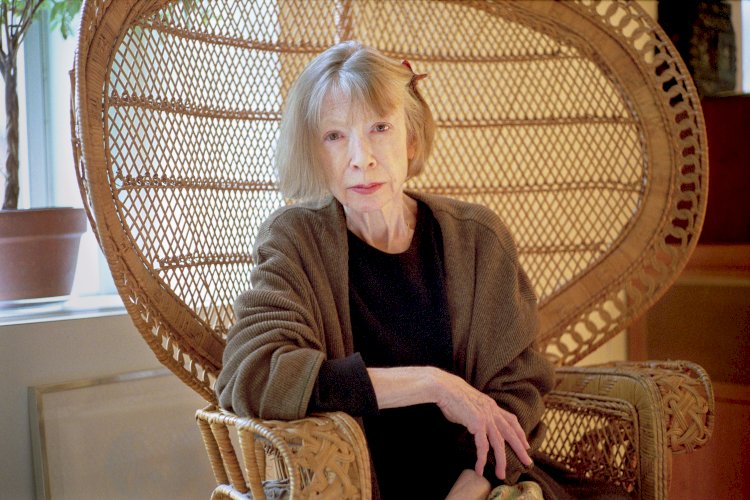
“We forget all too soon the things we thought we could never forget. We forget the loves and the betrayals alike, forget what we whispered and what we screamed, forget who we were.”
Joan Didion, Slouching Towards Bethlehem, 1968
“We forget all too soon the things we thought we could never forget. We forget the loves and the betrayals alike, forget what we whispered and what we screamed, forget who we were.”
Joan Didion, Slouching Towards Bethlehem, 1968
Filed under News
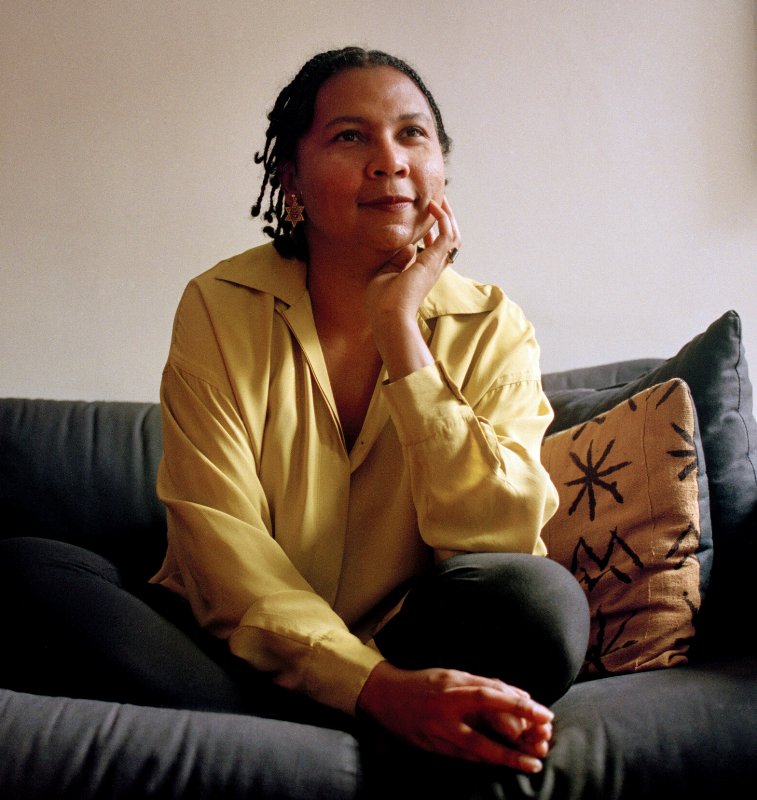
“I think the truth is that finding ourselves brings more excitement and well-being than anything romance has to offer, and somewhere we know that.”
Filed under News
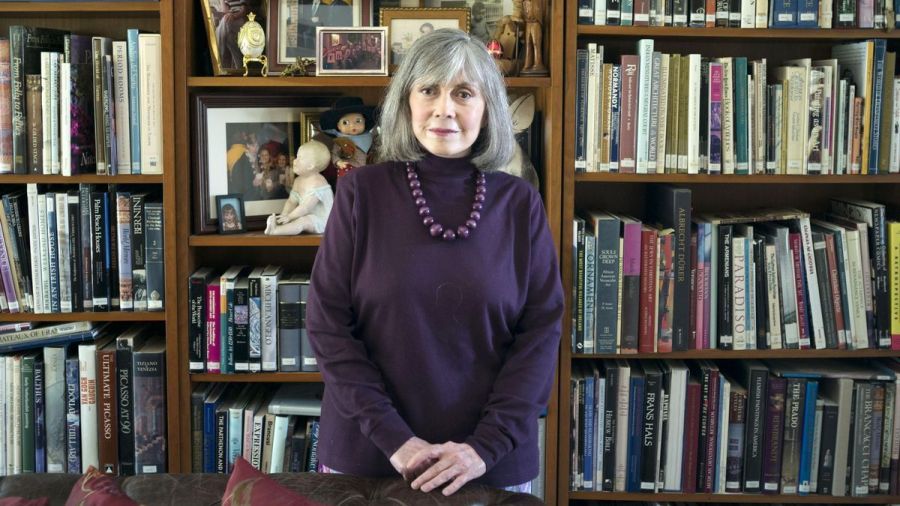
“I loved words. I love to sing them and speak them and even now, I must admit, I have fallen into the joy of writing them.”
Filed under News
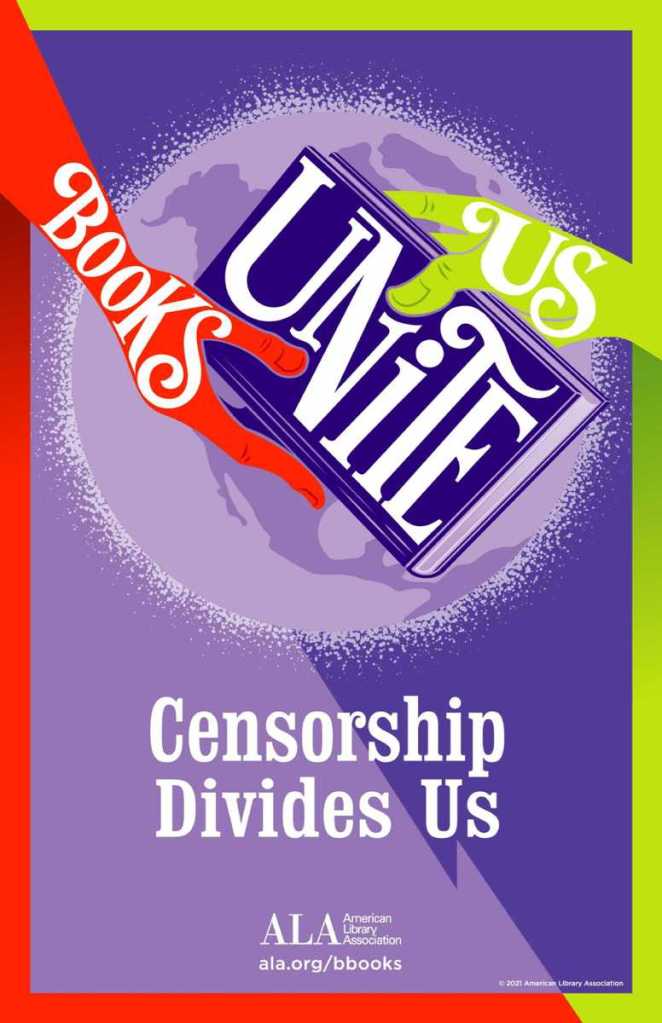
This week begins the annual “Banned Books Week” which lasts through October 2. The yearly event is sponsored by the American Library Association and promotes literacy, free speech and a free press. It’s the regular battle against the self-styled, self-appointed overlords of what is supposedly proper and improper for everyone to see and read. I’ve always believed this should be a year-long event, as free speech and free press are under constant threat – not just in, but in totalitarian regimes, like North Korea, but even in open societies, such as the United States.
Keep writing and keep fighting!
The ALA Office for Intellectual Freedom tracked 156 challenges to library, school, and university materials and services in 2020. A total of 273 books were targeted for removal, but here is a list of the most challenged, along with the reasons cited for censoring the books. Some are familiar classics, while others are new arrivals.
George by Alex Gino
Reasons: Challenged, banned, and restricted for LGBTQIA+ content, conflicting with a religious viewpoint, and not reflecting “the values of our community”
Stamped: Racism, Antiracism, and You by Ibram X. Kendi and Jason Reynolds
Reasons: Banned and challenged because of author’s public statements, and because of claims that the book contains “selective storytelling incidents” and does not encompass racism against all people
All American Boys by Jason Reynolds and Brendan Kiely
Reasons: Banned and challenged for profanity, drug use, and alcoholism, and because it was thought to promote anti-police views, contain divisive topics, and be “too much of a sensitive matter right now”
Speak by Laurie Halse Anderson
Reasons: Banned, challenged, and restricted because it was thought to contain a political viewpoint and it was claimed to be biased against male students, and for the novel’s inclusion of rape and profanity
The Absolutely True Diary of a Part-Time Indian by Sherman Alexie
Reasons: Banned and challenged for profanity, sexual references, and allegations of sexual misconduct by the author
Something Happened in Our Town: A Child’s Story About Racial Injustice by Marianne Celano, Marietta Collins, and Ann Hazzard, illustrated by Jennifer Zivoin
Reasons: Challenged for “divisive language” and because it was thought to promote anti-police views
To Kill a Mockingbird by Harper Lee
Reasons: Banned and challenged for racial slurs and their negative effect on students, featuring a “white savior” character, and its perception of the Black experience
Of Mice and Men by John Steinbeck
Reasons: Banned and challenged for racial slurs and racist stereotypes, and their negative effect on students
The Bluest Eye by Toni Morrison
Reasons: Banned and challenged because it was considered sexually explicit and depicts child sexual abuse
The Hate U Give by Angie Thomas
Reasons: Challenged for profanity, and it was thought to promote an anti-police message
Filed under News
Irrefragable
Adjective
Latin, 16th century
Not able to be refuted or disproved; indisputable.
Example: Voting is an irrefragable right to any democratic society.
Filed under News
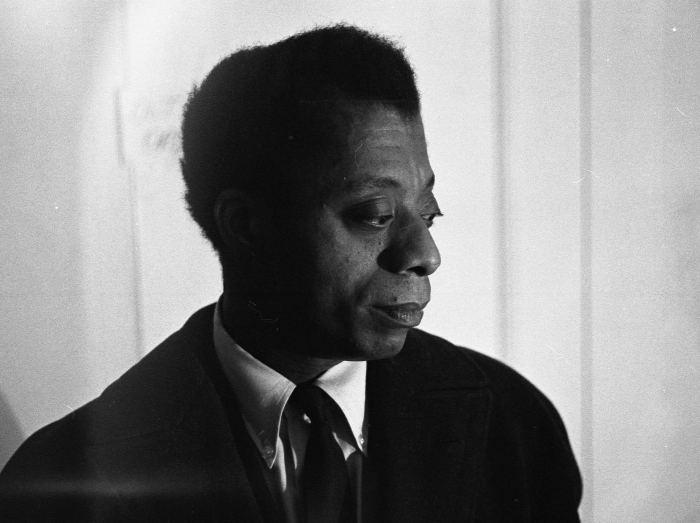
“One writes out of one thing only – one’s own experience. Everything depends on how relentlessly one forces from this experience the last drop, sweet or bitter, it can possibly give. This is the only real concern of the artist, to recreate out of the disorder of life that order which is art.”
James Baldwin, Notes of a Native Son
Filed under History

Epigrammatic
Adjective
Latin, 17th century
Of the nature or in the style of an epigram; concise, clever, and amusing.
Example: Whether composing short stories or essays, I often rely upon my epigrammatic personality to get my point across.
Filed under News
Clerisy
Noun
German, 19th century
A distinct class of learned or literary people.
Example: I generally write essays and stories for the clerisy of the world.
Filed under News

Redivivus
Adjective
Origin: Latin, late 16th century
Come back to life; reborn.
Example: After an hour of exercise, writing in my journal, and a night of solid sleep, I felt a redivivus of my soul.
Filed under News

Heuristic
Adjective
Greek, 19th century
Enabling a person to discover or learn something for themselves. A heuristic process or method.
Example: A college English instructor’s heuristic approach to literature prompted me to become a better writer.
Filed under News
 Chief Writing Wolf