Category Archives: History

On July 2…

1776 – The Second Continental Congress, assembled in Philadelphia, formally adopted a resolution for independence from Great Britain.


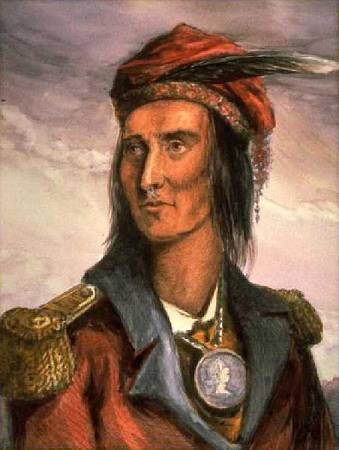
1809 – Shawnee Chief Tecumseh called on all Native Americans to unite and resist further encroachment by Whites on their lands.
 

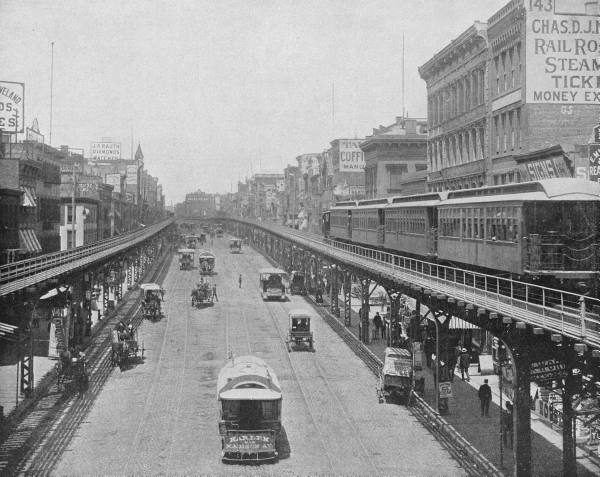
1867 – New York City’s first elevated railroad officially opened for business.  Commuters soon called the mode of transportation the El.
 

1881 – Only 4 months into office, President James A. Garfield was shot as he walked through a railroad waiting room in Washington, D.C.  Vice President Chester A. Arthur served as acting president until Garfield died on September 19, 1881.


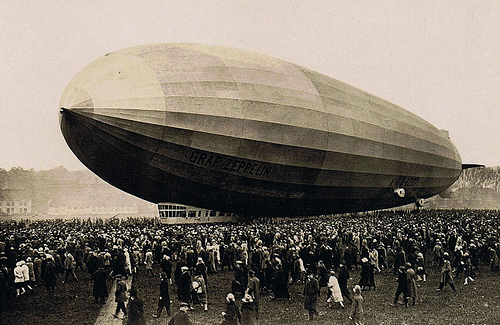
1900 – Count Ferdinand Graf von Zeppelin demonstrated the world’s first rigid airship over Germany’s Lake Constance.
 

1908 – Supreme Court Justice Thurgood Marshall, 1967 – 1991, was born in Baltimore, MD.


1921 – The first prize fight offering a million-dollar gate was broadcast on radio.  Jack Dempsey knocked out Georges Carpentier in the fourth round of the bout in Jersey City, NJ.

Dempsey
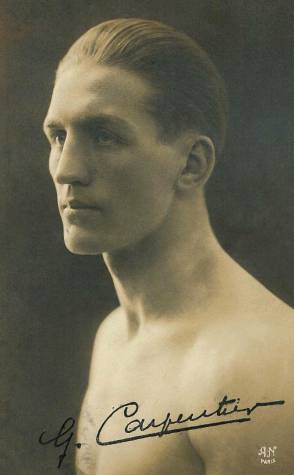
Carpentier


1937 – Aviator Amelia Earhart and her navigator, Fred Noonan, were reported missing near Howland Island in the North – Central Pacific Ocean.


1964 – President Lyndon B. Johnson signed the Civil Rights Act of 1964 into law, making against the law to discriminate against people because of their race.
 

Leave a comment

Filed under History

On July 1…

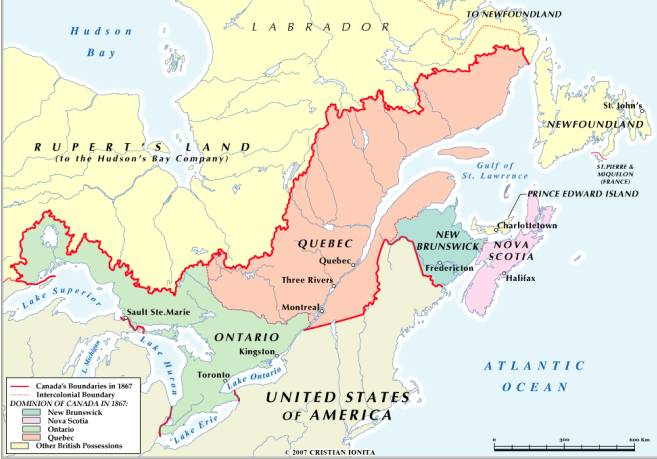
1867 – The autonomous Dominion of Canada, a confederation of Nova Scotia, New Brunswick, and the future provinces of Ontario and Quebec, is officially recognized by Great Britain with the passage of the British North America Act.


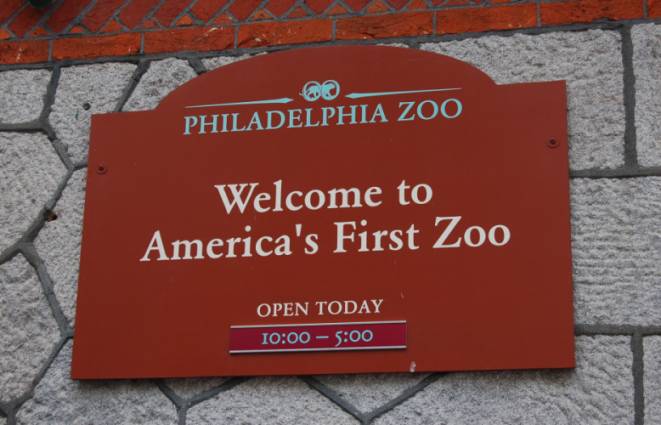
1874 – The first zoo in the United States opened in Philadelphia, PA.


1897 – Three years after the first issue of Billboard Advertising was published, the publication was renamed, The Billboard.  The monthly magazine became a weekly many years later.

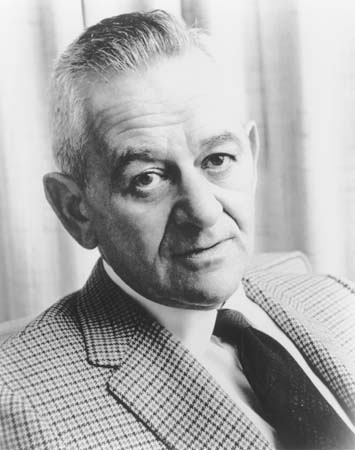
1902 – Movie director William Wyler (Funny Girl, Ben Hur, The Big Country, Friendly Persuasion, Roman Holiday, Carrie, Wuthering Heights) was born in Mulhouse, Germany.


1934 – The Federal Communications Commission, as mandated in the Communications Act of 1934, replaced the Federal Radio Commission as the regulator of broadcasting in the United States.

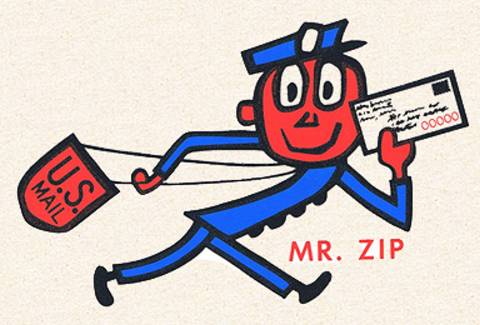
1963 – The Mr. Zip figure was introduced to represent the U.S. Post Office and to help educate people to use the 5-digit ZIP (Zone Improvement Program) code.


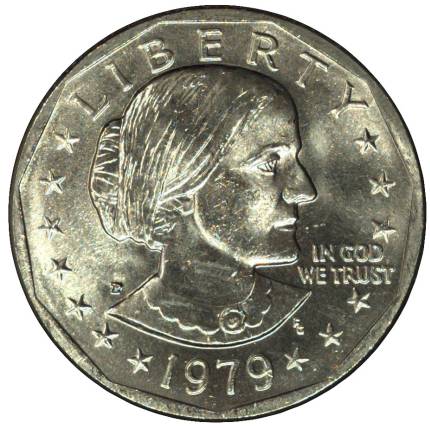
1979 – Susan B. Anthony, a 19th century women’s rights activist, was commemorated on a U.S. coin, the Susan B. Anthony Dollar.  The coin, roughly the size of a quarter, was confused by many with the quarter and the U.S. Treasury Department eventually stopped producing the Susan B. Anthony dollar.


1981 – In CBS, Inc. v. The Federal Communications Commission, the U.S. Supreme Court ruled that candidates for federal office had an “affirmative right” to go on national television.  The ruling limited a TV network’s right to determine when political campaigns begin and who may buy time.

1997 – Hong Kong reverted back to Chinese rule, after 156 years as a territory of Great Britain.


Leave a comment

Filed under History

On June 30…

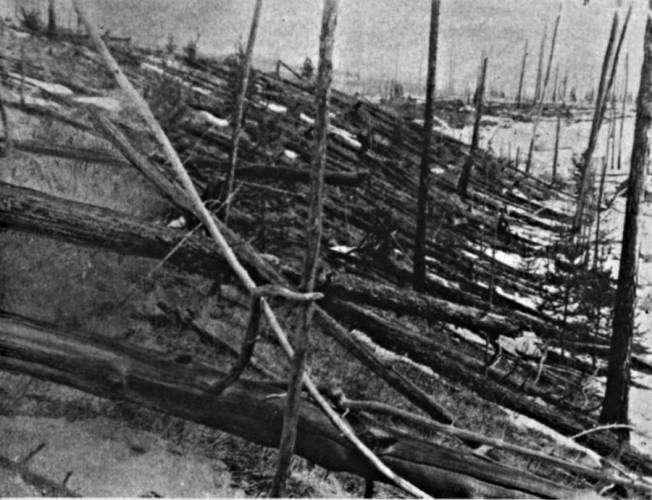
1908 – A massive explosion erupted over the Podkamennaya Tunguska River in Siberia in far eastern Russia.  Now believed to have been caused by a meteorite, the blast flattened some 850 square miles of forest and generated a shock wave that could be felt as far west as Great Britain.


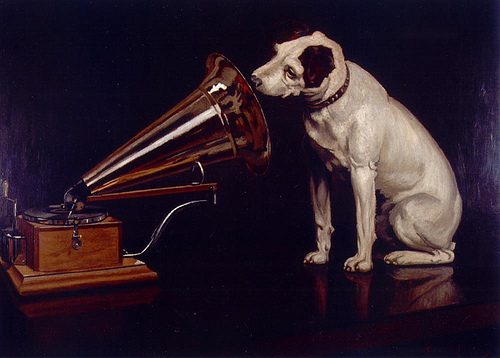
1921 – The Radio Corporation of America (RCA) was formed.


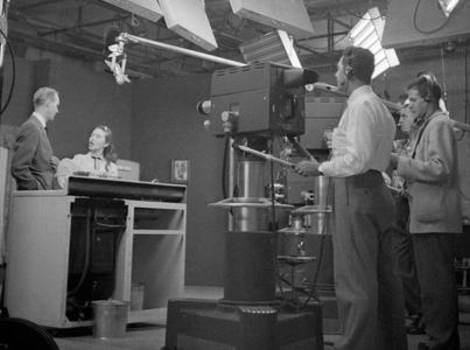
1952 – The radio soap opera, The Guiding Light, appeared on television for the first time on CBS television.  The show remains the longest running program in television and radio history, running from 1937 until 2009.


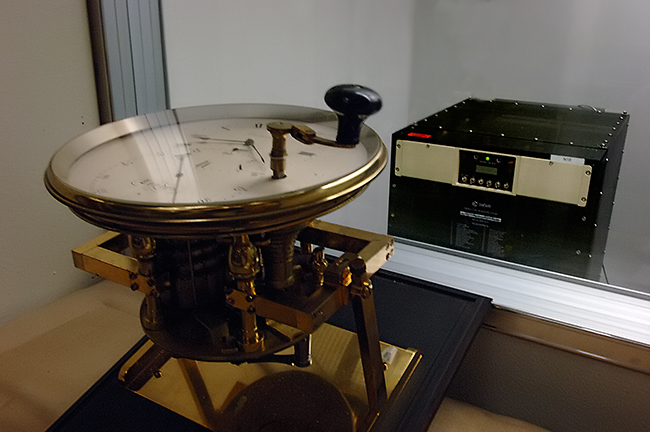
1985 – For the 13th time since 1972, the world’s official timekeeper atomic clock ticked off one extra second at 23:59 Greenwich Mean Time (also called UCT, Universal Coordinated Time) or 7:59:59 p.m. in New York City.  The leap second was added to compensate for the gradual slowing of the Earth’s rotation.


1994 – The temperature at Death Valley, California reached 128 degrees (Fahrenheit).  The only other time it has been that hot (since 1961 when weather data was first recorded) was on July 14, 1972.

Leave a comment

Filed under History

On June 29…

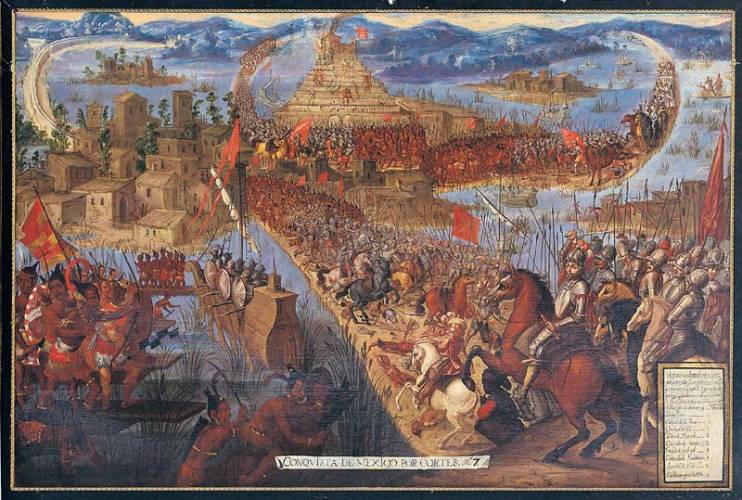
1520 – Faced with an Aztec revolt, Spanish conquistador Hernan Cortés and his forces withdraw from Tenochtitlan.


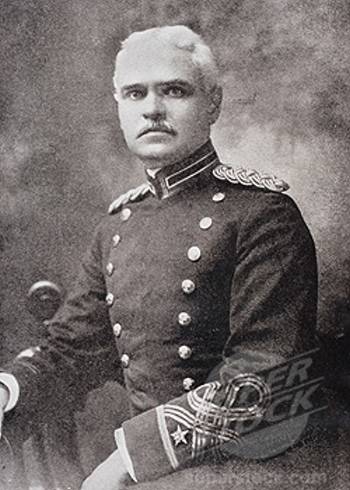
1858 – George Washington Goethals, chief engineer of the Panama Canal, was born in New York City.


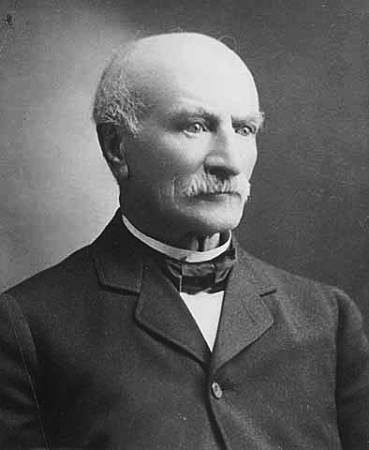
1861 – Dr. William Mayo, founder of the Mayo Clinic in Rochester, MN, was born in Eccles, England.


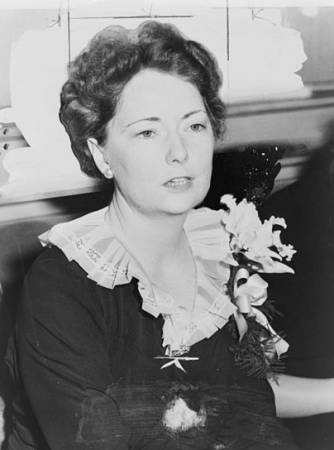
1936 – Margaret Mitchell’s Gone with the Wind was published.


1955 – Billy Haley and His Comets reached the top of the pop music charts with Rock Around the Clock.  The song stayed there for eight straight weeks and was featured in the film Blackboard Jungle.  Most consider the hit song the first rock ’n’ roll single.


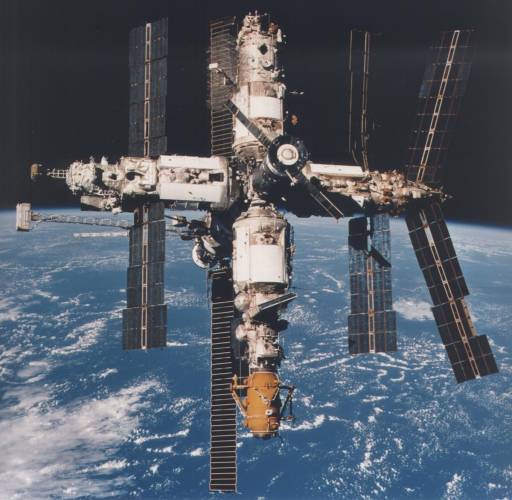
1995 – For the first time, a U.S. space shuttle, Atlantis, linked up with a Russian space station, Mir.

Leave a comment

Filed under History

On June 28…

1491 – King Henry VIII of England was born at Greenwich Palace in London.


1577 – Artist Peter Paul Rubens was born in Siegen, Westphalia, Netherlands.


1712 – Philosopher Jean-Jacques Rousseau was born in Geneva, Switzerland.


1894 – President Grover Cleveland signed an act of Congress, making Labor Day a federal holiday in the U.S.

1902 – Composer Richard Rodgers (It Might as Well be Spring; with Oscar Hammerstein: The Sound of Music, Love Me Tonight, My Funny Valentine, The Lady is a Tramp, Oklahoma!, State Fair, The King and I, You’ll Never Walk Alone, Carousel) was born in New York City.


1905 – Author – anthropologist Ashley Montagu (The Natural Superiority of Women, Man’s Most Dangerous Myth: The Fallacy of Race) was born in London.


1906 – Physicist Maria Goeppert Mayer (won 1963 Nobel Prize with J. Hans Jensen & Eugene Wigner for nuclear shell theory; 1st American woman to win a Nobel Prize) was born in Kattowitz, Germany.


1914 – World War I began, when Archduke Francis Ferdinand and his wife, Sophie, were assassinated by a Bosnian Serb nationalist in Sarajevo, Bosnia.


1919 – With the signing of The Treaty of Versailles, World War I officially ended.

1953 – Workers at a Chevrolet plant in Flint, MI, assembled the first Corvette.


1969 – A police raid of the Stonewall Inn in New York City turned violent and prompted a night of rioting.  The event is generally considered the start of the modern gay rights movement.


1976 – Women entered the Air Force Academy for the first time.  President Gerald R. Ford had signed legislation on October 7, 1975 allowing women to enter the nation’s military academies.


1994 – The U.S. Environmental Protection Agency announced it would begin experimenting with a UV (ultraviolet) Index, “To enhance public awareness of the effects of overexposure to the sun’s ultraviolet rays, and to provide the public with actions they can take to reduce harmful effects of overexposure, which may include skin cancer, cataracts and immune suppression.”


1996 – The Citadel, which had fought to keep one woman from enrolling as a cadet in its all-male military academy in 1993, abruptly ended its opposition to enrolling qualified female cadets.  The change of policy happened after the U.S. Supreme Court ruled a similar all-male policy at the Virginia Military Institute was unconstitutional.

Leave a comment

Filed under History

On June 27…

1874 – A force of some 700 Comanche, Kiowa and Cheyenne Indians in northwest Texas clashed with 28 White hunters and traders at an old trading post called “Adobe Walls” over buffalo hunting.


1880 – Author and educator Helen Keller was born in Tuscumbia, AL.


1922 – The American Library Association awarded the first Newbery Medal for children’s literature to The Story of Mankind by Hendrik Willem van Loon.


1957 – Hurricane Audrey slammed into the Texas – Louisiana coast, killing some 500 people.  It remains the only Category 4 hurricane to develop in the Atlantic / Caribbean basin in the month of June.


1976 – The first reported case of a previously-unknown hemorrhagic fever called Ebola broke out near the Ebola River in Sudan.

Leave a comment

Filed under History

On June 26…

1541 – Spanish explorer and conqueror Francisco Pizarro was assassinated in Lima, Peru by Spanish rivals.


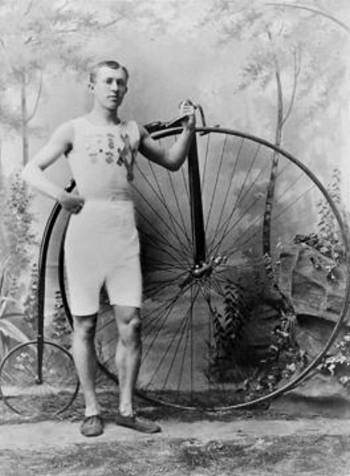
1819 – W.K. Clarkson, Jr. of New York City patented the bicycle.


1891 – Playwright and screenwriter Sidney Howard (Gone with the Wind) was born in Oakland, CA.


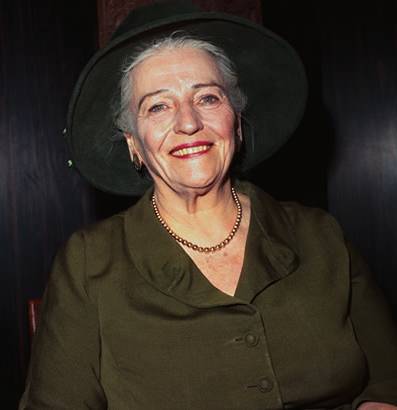
1892 – Author Pearl S. Buck (The Good Earth) was born in Hillsboro, WV.


1910 – Scientist Roy Plunkett, discoverer of polytetrafluoroethylene (Teflon), was born in New Carlisle, OH.


1945 – Fifty nations came together in San Francisco for the signing of the United Nations Charter.

1956 – The U.S. Congress approved the Federal Highway Act, which allocated more than $30 billion for the construction of some 41,000 miles of interstate highways.


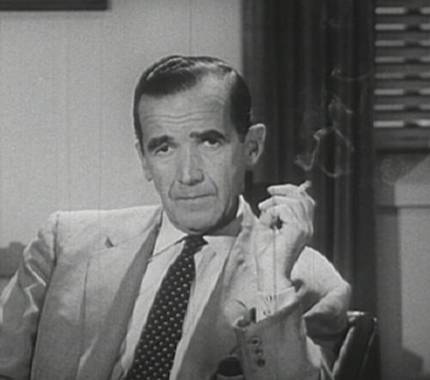
1959 – CBS journalist Edward R. Murrow interviewed his 500th and final guest on Person to Person: actress Lee Remick.


1963 – In a speech in front of the Berlin Wall, President John F. Kennedy expressed his solidarity with democratic German citizens by uttering the famous line: “Ich bin ein Berliner.”


2 Comments

Filed under History

On June 25…

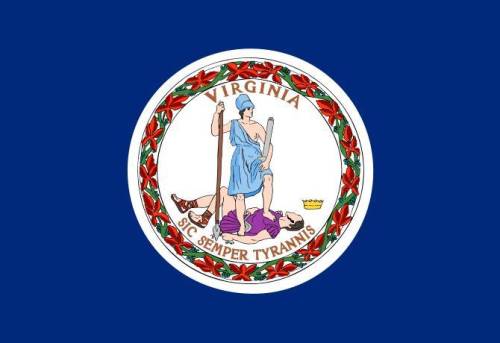
1788 – The Virginia colony, the first permanent English settlement in North America, entered the United States of America as the tenth state.


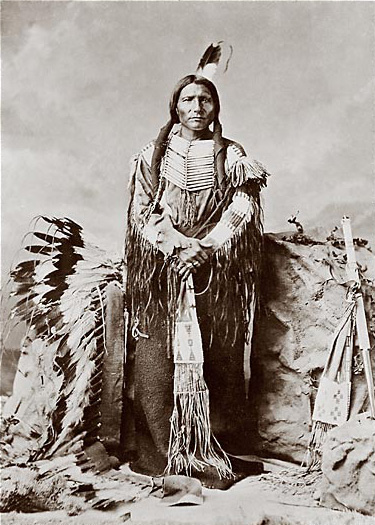
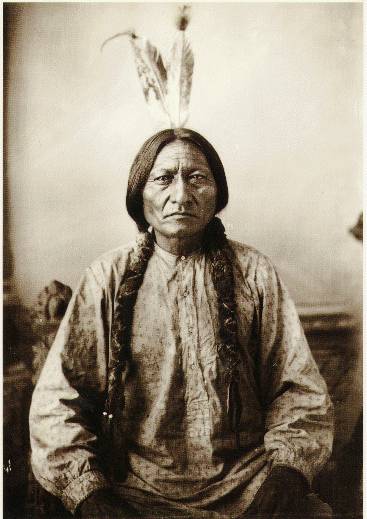
1876 – Indian Chiefs Crazy Horse and Sitting Bull led a successful two-hour campaign in the Battle of the Little Bighorn, Montana, wiping out the army of Lt. Col. George Armstrong Custer.  Custer, who led the battle against the Sioux Indian encampment, was among the 200+ casualties.  Custer’s horse Comanche was among the few survivors.

Chief Sitting Bull

Chief Crazy Horse


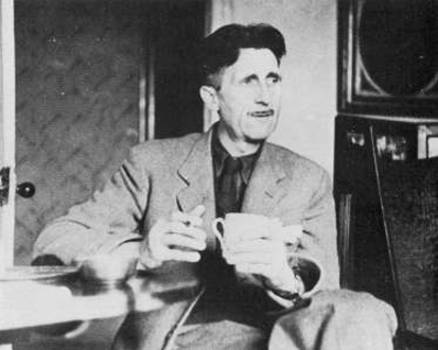
1903 – Author George Orwell (Animal Farm, 1984) was born in Bengal, India.


1910 – The U.S. Congress authorized the use of postal savings stamps.

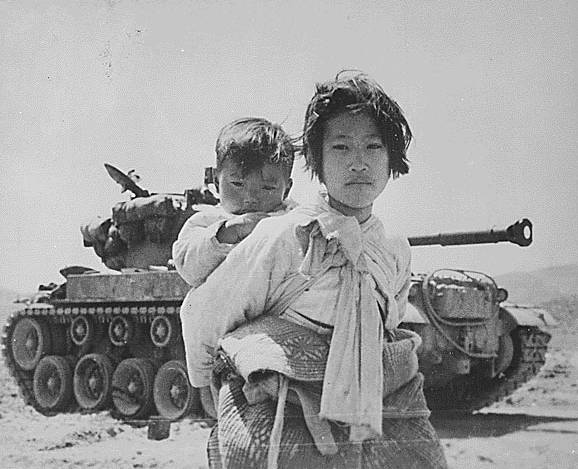
1950 – Armed forces from communist North Korea invade its southern neighbor, setting off the Korean War.


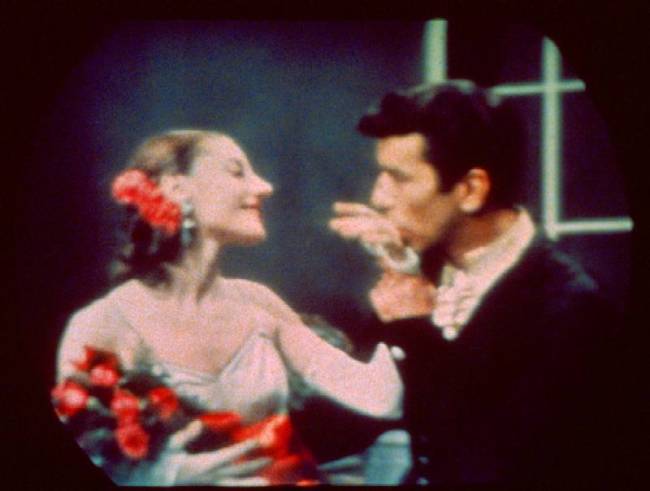
1951 – The CBS television network broadcast the first commercial color TV program, a variety show called “Premiere.”  The hour-long program appeared only in New York City, Baltimore, Philadelphia, Boston and Washington, D.C.

George Balanchine Ballet from “Premiere.”


1962 – In Engel v. Vitale, the U.S. Supreme Court ruled 5-4 that prayers in public schools violated the First Amendment to the Constitution regarding the separation of church and state.

1990 – In Cruzan v. Missouri, the U.S. Supreme Court ruled 5-4 upholding the right of an individual, whose wishes are clearly made, to refuse life-sustaining medical treatment.

1993 – Kim Campbell became Canada’s 19th and first female Prime Minister.  Campbell governed until October 25, 1993 when the Progressive – Conservative Party was defeated.  (Her term actually expired November 4, 1993.)


1998 – Microsoft released Windows 98 with the slogan, “Works better.  Plays better.”  Interest in the new release was also increased by the publicity generated by the U.S. Justice Department’s antitrust suit against Microsoft.


Leave a comment

Filed under History

On June 24…

1864 – Colorado Governor John Evans warned all Native Americans in the region to report to the Sand Creek Reservation or risk attack.  The announcement preceded the “Sand Creek Massacre.”


1916 – Actress Mary Pickford became the first cinematic performer to receive a million dollar contract, when she signed a deal that guaranteed her $250,000 per film.


1922 – The American Professional Football Association changed its name to name the National Football League.

1940 – TV cameras were used for the first time in a political convention as the Republicans convened in Philadelphia, PA.

1972 – Bernice Gera became first woman to umpire a baseball game when the Auburn Phillies and Geneva Rangers played.  She resigned just a few hours after the game, however, because male umpires refused to work with her.


1997 – The U.S. Air Force released a 231-page report officially dismissing claims of an alien spacecraft crash in Roswell, NM, nearly 50 years earlier.


Leave a comment

Filed under History

On June 23…

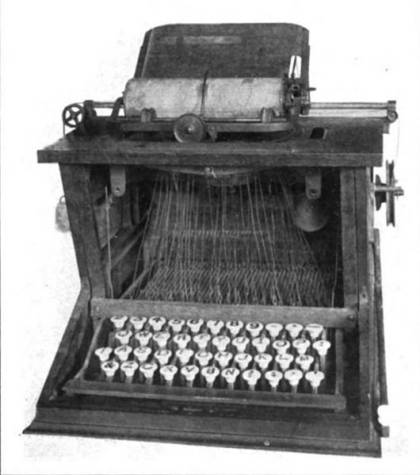
1868 – Christopher L. Sholes of Wisconsin patented his “type-writer.”


1894 – Dr. Alfred Kinsey (The Kinsey Report, The Sexual Behavior in the Human Male) was born in Hoboken, NJ.


1910 – Playwright Jean Anouilh (Becket, Antigone) was born in Bordeaux, France.
 

1929 – Singer – songwriter June Carter Cash (Jackson, If I were a Carpenter, Ring of Fire) was born in Maces Spring, VA.


1931 – Wiley Post and Harold Gatty took off on a global airplane flight aboard the Winnie Mae.
Wiley Post (L) and Harold Gatty with the Winnie Mae.
 

1961 – The Antarctic Treaty, signed by twelve nations in 1959, took effect.  The treaty guaranteed that the continent of Antarctica would be used for peaceful, scientific purposes only. The twelve original signers of the treaty were Argentina, Australia, Belgium, Chile, France, Japan, New Zealand, Norway, South Africa, the Soviet Union, the United Kingdom and the United States.  Since that time, 28 other nations have signed the pact.

Flags of the Antarctic Treaty signatories


1972 – Title IX of the 1972 education amendments is enacted into law, prohibiting federally funded educational institutions from discriminating against students or employees based on gender.

Leave a comment

Filed under History