
Only working writers can truly identify with this!
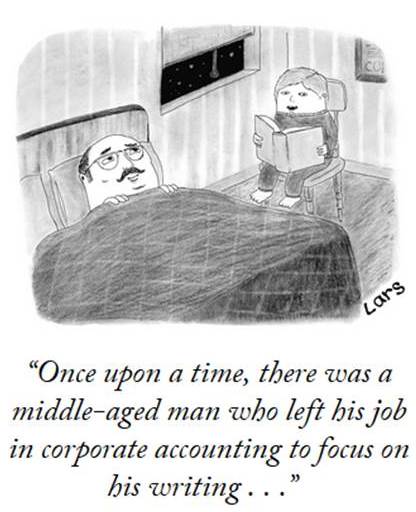
Lars Kenseth, New Yorker, 01/21/22
Filed under News

Happy 10th Birthday to me! This month marks a full decade since The Chief entered your lives and brought unmitigated joy, anger, heartbreak and questions about how someone of such deranged mental capacity as me could possibly get onto the Internet. Aren’t you glad you showed up and stayed?
I can’t even begin to describe the mixture of curiosity and trepidation I felt launching this blog. I had never really put myself into the public eye under such circumstances. It’s odd, if you knew me, because in a previous life I’d wanted to be a professional actor. When I felt my life was going out of control in the late 1980s, I seriously began researching life in California and New York. But I decided to remain in Texas and hoped someone of importance would notice me. They didn’t. Bastards!
Now I’ve resigned myself to being a hermit writer. I’ve always been introverted and thus, was isolating myself at home long before the COVID-19 pandemic made it fashionable. That means blogging came natural to me – like eating good food, drinking good wine and having regular orgasms.
I realized almost immediately the blogosphere is ideal for any writer or creative visionary. It has taken the written word and placed it into the hands of ordinary people. Whether what they create is valuable or authentic is often purely subjective or subject to fact-finders. But – for better or worse – people no longer have to rely upon established publishing houses or newspaper editorial boards to determine if they get something published or not. It’s not necessarily vulnerable to censorship or opinionated editing.
I feel this blog has improved my writing and widened my own eyes to the world around me. I used it as a platform to promote my first published novel, “The Silent Fountain”. I’ve been able to broadcast short stories and essays that renowned editorial deities didn’t like.
For all of you who have stayed with me over the past decade, I love you and thank you. Stay with me! There’s more psychological shenanigans to come!

Filed under Essays
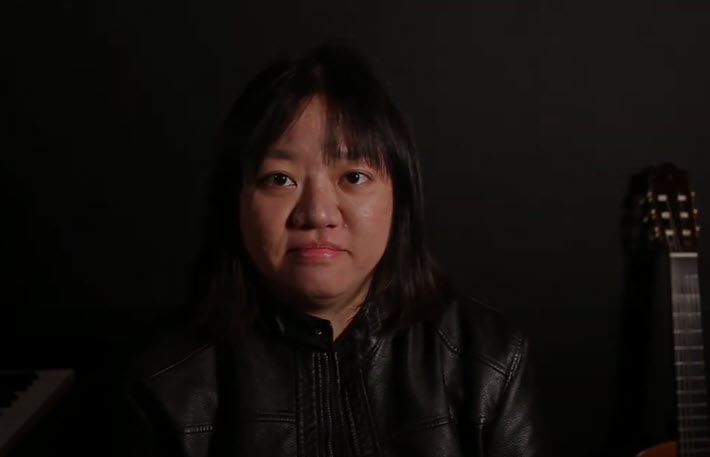
Independent journalist and human rights defender Pham Doan Trang was sentenced to nine years by The People’s Court of Hanoi on December, 14 2021. She was arrested in Ho Chi Minh City on October 7, 2020, and charged under Article 88 of the 1999 Criminal Code which criminalizes “making, storing, distributing or disseminating information, documents and items against the Socialist Republic of Viet Nam.”
Trang is the author of several books that address women’s rights, LGBT issues, environmental concerns and land rights. In 2019, Reporters Without Borders awarded her a Press Freedom Prize in recognition of her impact. Her work on the Liberal Publishing House helped it receive the prestigious Prix Voltaire award in 2020 for its continued coverage in spite of risks and dangers of reprisals.
Trang was held in isolation from the time of her arrest until October 19, 2021, when she was finally allowed to meet with one of her lawyers after having been denied access to her family and legal representation for over a year.
Foreseeing her own arrest, she gave instructions ahead of time for fellow activists to take advantage of her imprisonment to negotiate for more freedom in Viet Nam, and to “advocate for the others first, then me.”
In The Vietnamese, a journalists’ magazine Trang founded, her “final statement” from her trial has appeared today reads, in part:
“In a democratic society, if a citizen writes something or responds to interview questions from foreign journalists regarding matters the government doesn’t want to hear, what would be the civilized response? The most civilized response would be for the government to do nothing because a civilized person knows how to respect the opinions and interests of others.
“In a less fortunate situation, if a government has authoritarian tendencies and finds what the citizen says unacceptable, then it could simply write books or articles to rebut that citizen, or even boldly reach out to the foreign press to arrange an interview in which a government representative expresses his/her viewpoint or responds to the citizen in-kind.
“But the Socialist Republic of Vietnam does none of this. Instead, it chooses to respond in a more vile, foolish, and heinous manner, imprisoning its citizens simply because they write works or respond to interviews with foreign journalists.”
Filed under News
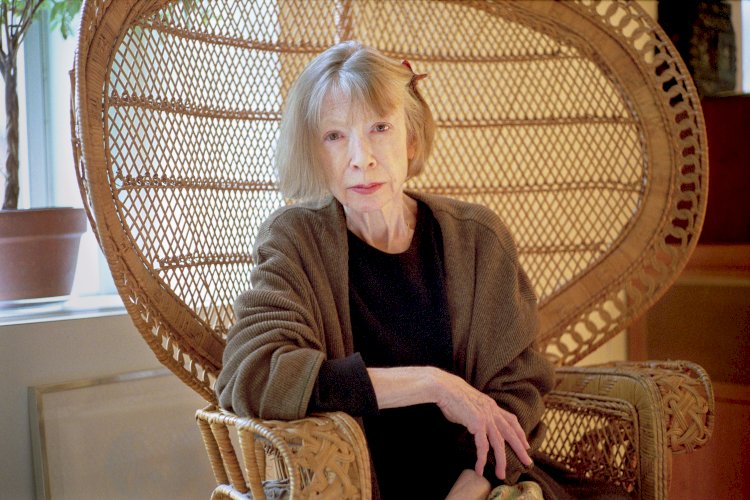
“We forget all too soon the things we thought we could never forget. We forget the loves and the betrayals alike, forget what we whispered and what we screamed, forget who we were.”
Joan Didion, Slouching Towards Bethlehem, 1968
Filed under News
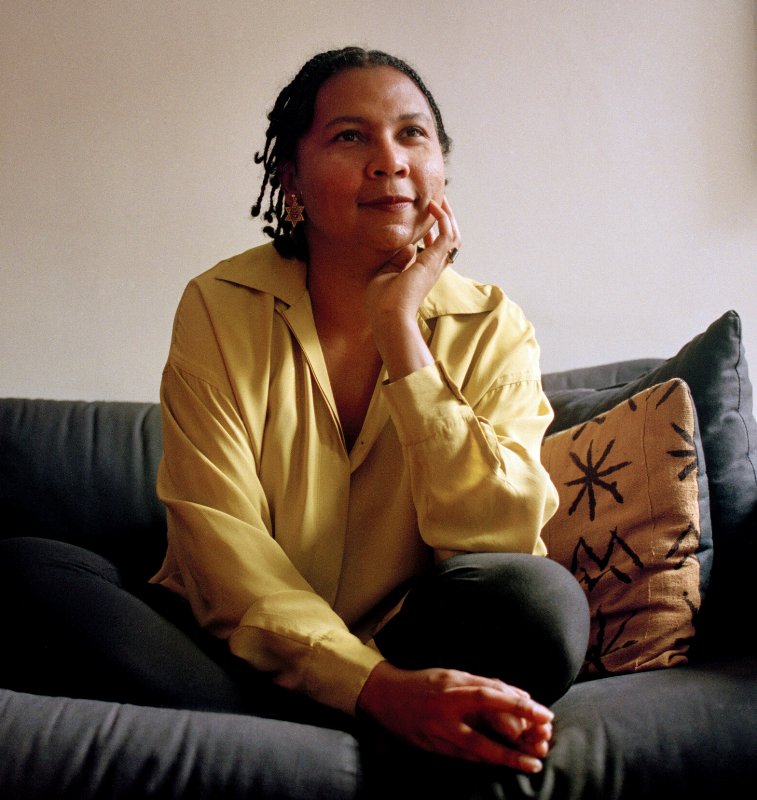
“I think the truth is that finding ourselves brings more excitement and well-being than anything romance has to offer, and somewhere we know that.”
Filed under News
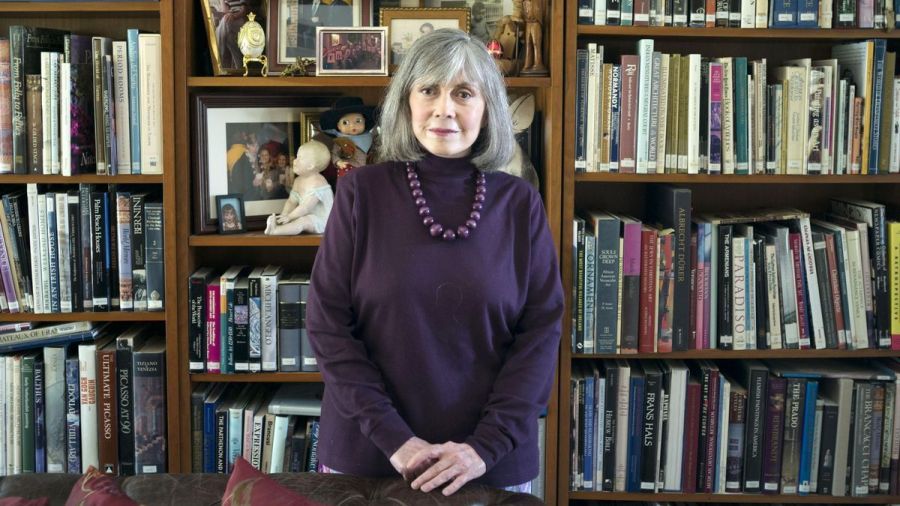
“I loved words. I love to sing them and speak them and even now, I must admit, I have fallen into the joy of writing them.”
Filed under News
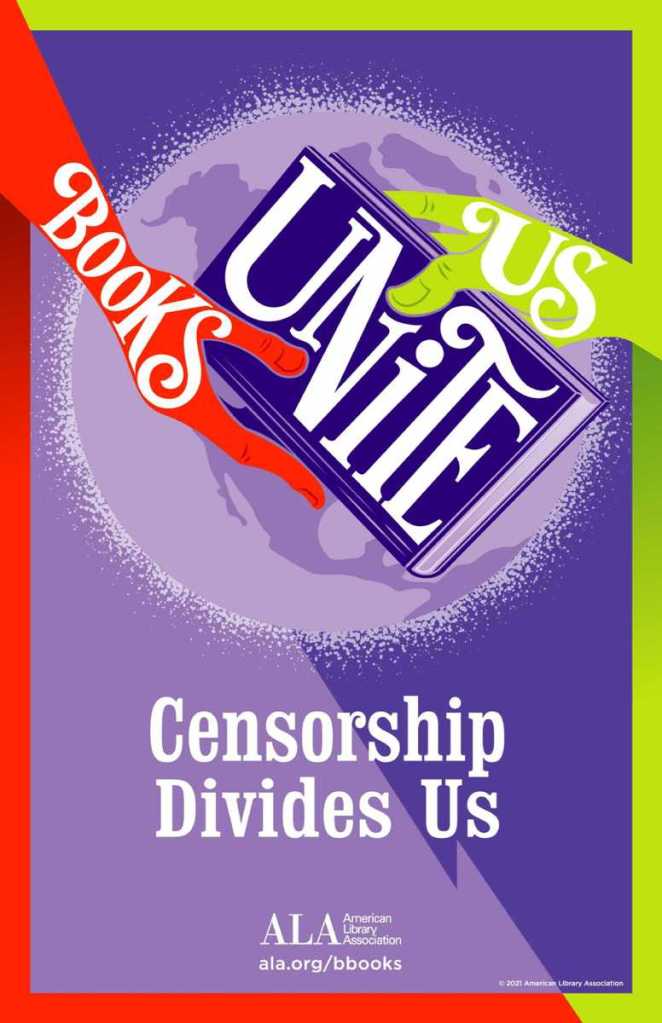
This week begins the annual “Banned Books Week” which lasts through October 2. The yearly event is sponsored by the American Library Association and promotes literacy, free speech and a free press. It’s the regular battle against the self-styled, self-appointed overlords of what is supposedly proper and improper for everyone to see and read. I’ve always believed this should be a year-long event, as free speech and free press are under constant threat – not just in, but in totalitarian regimes, like North Korea, but even in open societies, such as the United States.
Keep writing and keep fighting!
The ALA Office for Intellectual Freedom tracked 156 challenges to library, school, and university materials and services in 2020. A total of 273 books were targeted for removal, but here is a list of the most challenged, along with the reasons cited for censoring the books. Some are familiar classics, while others are new arrivals.
George by Alex Gino
Reasons: Challenged, banned, and restricted for LGBTQIA+ content, conflicting with a religious viewpoint, and not reflecting “the values of our community”
Stamped: Racism, Antiracism, and You by Ibram X. Kendi and Jason Reynolds
Reasons: Banned and challenged because of author’s public statements, and because of claims that the book contains “selective storytelling incidents” and does not encompass racism against all people
All American Boys by Jason Reynolds and Brendan Kiely
Reasons: Banned and challenged for profanity, drug use, and alcoholism, and because it was thought to promote anti-police views, contain divisive topics, and be “too much of a sensitive matter right now”
Speak by Laurie Halse Anderson
Reasons: Banned, challenged, and restricted because it was thought to contain a political viewpoint and it was claimed to be biased against male students, and for the novel’s inclusion of rape and profanity
The Absolutely True Diary of a Part-Time Indian by Sherman Alexie
Reasons: Banned and challenged for profanity, sexual references, and allegations of sexual misconduct by the author
Something Happened in Our Town: A Child’s Story About Racial Injustice by Marianne Celano, Marietta Collins, and Ann Hazzard, illustrated by Jennifer Zivoin
Reasons: Challenged for “divisive language” and because it was thought to promote anti-police views
To Kill a Mockingbird by Harper Lee
Reasons: Banned and challenged for racial slurs and their negative effect on students, featuring a “white savior” character, and its perception of the Black experience
Of Mice and Men by John Steinbeck
Reasons: Banned and challenged for racial slurs and racist stereotypes, and their negative effect on students
The Bluest Eye by Toni Morrison
Reasons: Banned and challenged because it was considered sexually explicit and depicts child sexual abuse
The Hate U Give by Angie Thomas
Reasons: Challenged for profanity, and it was thought to promote an anti-police message
Filed under News
Irrefragable
Adjective
Latin, 16th century
Not able to be refuted or disproved; indisputable.
Example: Voting is an irrefragable right to any democratic society.
Filed under News
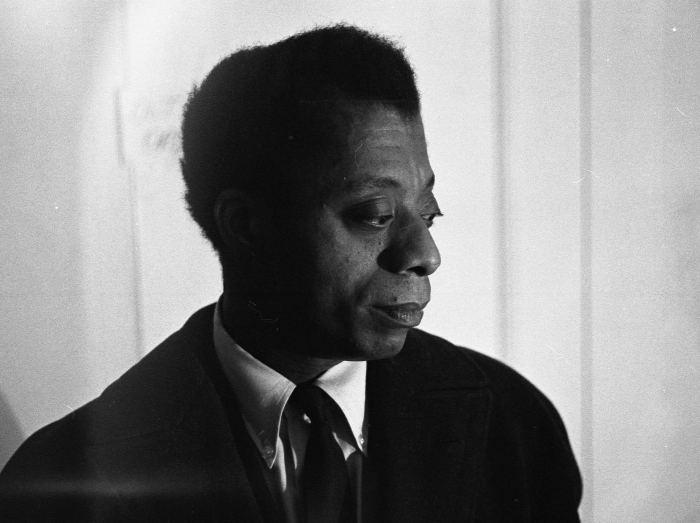
“One writes out of one thing only – one’s own experience. Everything depends on how relentlessly one forces from this experience the last drop, sweet or bitter, it can possibly give. This is the only real concern of the artist, to recreate out of the disorder of life that order which is art.”
James Baldwin, Notes of a Native Son
Filed under History

Epigrammatic
Adjective
Latin, 17th century
Of the nature or in the style of an epigram; concise, clever, and amusing.
Example: Whether composing short stories or essays, I often rely upon my epigrammatic personality to get my point across.
Filed under News

