Tag Archives: writing

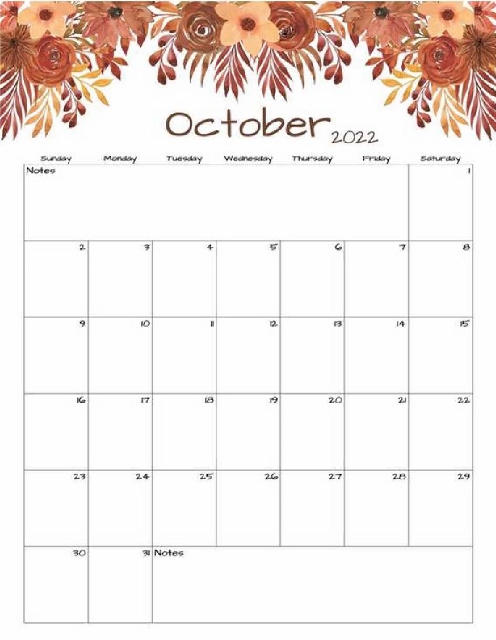
October 2022 Literary Calendar

Events in the month of October for writers and readers

  • National Book Month
  • National Reading Group Month
  • October 1 – International Coffee Day
  • October 2 – Name Your Car Day
  • October 3 – Techies Day
  • October 7 – World Smile Day
  • October 6 – Mad Hatter Day
  • October 9 – Curious Events Day
  • October 10 – Indigenous People’s Day
  • October 11 – Myth and Legends Day; National Coming Out Day
  • October 12 – Cookbook Launch Day; Moment of Frustration Day
  • October 13 – International Skeptic’s Day
  • October 15 – Mario Puzo’s Birthday
  • October 16 – Noah Webster’s Birthday; Oscar Wilde’s Birthday; Dictionary Day
  • October 16-22 – National Friends of Libraries Week
  • October 19 – Evaluate Your Life Day
  • October 20 – National Day on Writing
  • October 21 – Alfred Nobel’s Birthday; Babbling Day
  • October 22 – Smart Is Cool Day
  • October 25 – Pablo Picasso’s Birthday; Howl at the Moon Night
  • October 27 – National Tell a Story Day (Scotland; U.K.)
  • October 29 – Hermit Day
  • October 31 – Increase Your Psychic Powers Day

Famous October Birthdays

Leave a comment

Filed under News

Banned Books Week 2022

I know I’m running late with this, but it’s Banned Books Week, the annual commemoration of free speech and free press.  As always, some people feel they have the authority to determine what the rest of us can see and read.  They start with the schools and libraries under the familiar guise of protecting the children, but the ultimate goal is to restrict literature and education.

All writers and bloggers should always stand up to any kind of censorship.  Remember, no one – absolutely no one – has the right to select what you can and cannot read!

3 Comments

Filed under News

In Memoriam – Barbara Ehrenreich, 1941-2022

“No matter that patriotism is too often the refuge of scoundrels. Dissent, rebellion, and all-around hell-raising remain the true duty of patriots.”

Barbara Ehrenreich

2 Comments

Filed under News

September 2022 Literary Calendar

Events in the month of September for writers and readers

  • Be Kind to Editors and Writers Month
  • Library Card Sign Up Month
  • National Literacy Month
  • Read a New Book Month (also December)
  • September 4 – Richard Wright’s Birthday; Newspaper Carrier Day
  • September 6 – Read a Book Day
  • September 8 – International Literacy Day
  • September 18 – Read an E-book Day
  • September 18-24 – National Adult Education and Family Literacy Week
  • September 21 – Stephen King’s Birthday
  • September 22 – Hobbit Day
  • September 22 – Dear Diary Day
  • September 24 – National Punctuation Day
  • September 24 – F. Scott Fitzgerald’s Birthday
  • September 25 – National Comic Book Day
  • September 25-October 1 – Banned Books Week
  • September 29 – Miguel de Cervantes’ Birthday; National Coffee Day in the U.S.
  • September 30 – Truman Capote’s Birthday

Famous September Birthdays

Leave a comment

Filed under News

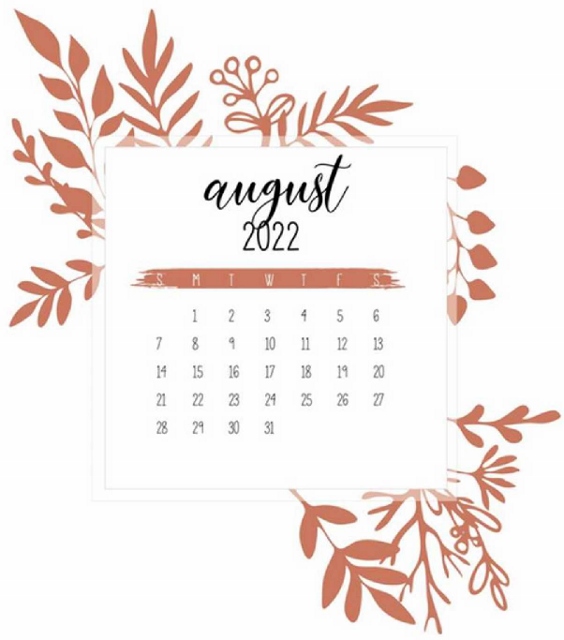
August 2022 Literary Calendar

Events in the month of August for writers and readers

  • Romance Awareness Month
  • August 2 – National Coloring Book Day
  • August 7 – Purple Heart Day
  • August 9 – Book Lover’s Day (also November 6)
  • August 18 – Bad Poetry Day
  • August 21 – Poet’s Day
  • August 31 – We Love Memoirs Day

Famous August Birthdays

2 Comments

Filed under News

Word of the Week – July 30, 2022

Notionate

[NO-shuh-nit]

Adjective

English, 19th century

Notional. Existing as or based on a suggestion, estimate, or theory; not existing in reality.  Given to fanciful thinking or exaggerated imagination.

The term is a combination of the English word “notion,” from the Latin “nōtiō,” with the suffix “-ate,” with creates an adjective based on “notion.”

“Notionate” has been overtaken in English by its synonym “notional,” and exists today mainly as a regional expression in the Southern U.S., Northern Ireland, and in Scotland. In nearly all contexts, the term has been used to describe a state of exaggerated imagination. For example, a person describing their grandfather as “old-fashioned and notionate” might be implying that the man is very superstitious and believes in ghosts, elves, or other notionate creatures.

Example: My tendency towards notionate thinking as a kid helped me get through the difficulties of those years.

Leave a comment

Filed under News

Word of the Week – July 23, 2022

Irrupt

[i-ˈrəpt]

Verb

Latin, 19th century

To enter suddenly or forcibly; to become suddenly active; referring to a natural population, to expand suddenly in numbers due to a change in the natural balance

Irrupt is very close in sound and meaning to erupt, though only irrupt can mean to enter a room uninvited.

Example: After recent Supreme Court decisions, I feel the number of concerned voters will irrupt into positive social change.

Leave a comment

Filed under News

Word of the Week – July 16, 2022

Eunomy

[YOO-nə-mee]

Noun

Ancient Greek

Equal law, or a well-adjusted constitution of government.

This word comes from the ancient Greek “eu-,” meaning “well, good” and “-nomy,” rooted in the Greek “​​nómos,” meaning “law or custom.” The word “eunomy” can easily be mistaken for “euonym” because they are anagrams for each other. While the former means “equal law,” the latter is “a name well suited to the person, place, or thing named.” Both have the Greek suffix “eu-” that means “good.” The “-onym” in “euonym” is the Greek root for “name.”

Example: After the last few months, I’m no longer certain our government is a true eunomy.

Leave a comment

Filed under News

Word of the Week – July 9, 2022

Inveigle

[in-VAY-ɡəl]

Verb

French, 15th century

Persuade (someone) to do something by means of deception or flattery. Gain entrance to (a place) by persuading (someone) with deception or flattery.

Inveigle is a verb that can be used with an object – “She inveigled him into giving her a better table.”  Or it can be used in a sense specifically related to gaining entry to a place – “He inveigled himself into the meeting room.”  Either way, there’s some trickery afoot.

You might claim that you made a good case for your request, but if your persuasion involved deception or flattery, you need to learn the verb inveigle.  It comes from an Old French verb “aveugler”, meaning to blind. Just don’t turn a blind eye to your true motivations.

Example: I feel the most conservative members of the U.S. Supreme Court inveigled their way onto the bench.

Leave a comment

Filed under News

Word of the Week – July 2, 2022

Trenchant

[TREN-chənt]

Adjective

Middle English, 13th century

Being sharp, intense, and forceful. Characterized by energy and effectiveness

Trenchant is often used to describe commentary or criticism. If you have a trenchant delivery, you’re known for your biting wit. An obsolete definition of trenchant means physically having a sharp blade. While the adjective is now used in a more figurative sense, a powerful, trenchant remark can still leave wounds.

Example: My trenchant descriptions of U.S. politics alienates some people, but excites others.

2 Comments

Filed under News