Last month, while watching a news piece on YouTube, I happened to see this image in the background. I have to admit I wasn’t a feline fan, until my Uncle Wes moved in with me, along with his cat Leo, last year. I’m glad to see, though, that people of all types here in the U.S. are joining the anti-racist movement, which seems to have gained new life in recent years with the election of right-wing extremists.
Everybody has that one (maybe two or more) quirky relative who defies explanation. In my family’s case, that’s actually more of a rule. But when my little sister, Mandy, would say she’d see people, we honestly didn’t know what to say. No one likes to admit there’s mental illness in the family, right? I mean…as a kid, everyone has imaginary friends. But Mandy said she didn’t just have imaginary friends; she saw people. It was cute – until she was a teenager.
Then it got scary. ‘What’s wrong with Mandy?’ was a common question at family gatherings. We couldn’t say; no one seemed to know…what was wrong with Mandy.
“We’re cursed,” Mandy told me; she was about twelve. “Our family is cursed.”
“Yeah, we are,” I remember telling her that first time; thinking about the family events where someone got shit-faced drunk and started fighting.
“I’m serious!”
I tried to be understanding. But when someone says your family is cursed – especially if it’s a relative who has a reputation for saying shit like that – how do you respond?
I’m the oldest of the brood, and Mandy is the youngest; four boys and two girls. She was my baby; tiny even for my 12-year-old arms, when she was born. I helped to raise her, along with my brothers. Our parents were primary commanders, but I was second in charge. My brothers were tough to raise – as you would expect with boys. But Mandy turned out to be even more of a handful!
I don’t know what it was about her, but she could be so difficult. My mother always said it was because we girls tend to cause drama. Daddy would just sigh, as if saying, ‘Tell me about it,’ yet not wanting to be too honest.
I really can’t remember the first time Mandy said she saw someone who wasn’t there…in her bedroom. She pointed to her dolls. “Over there,” she told me.
But it was after our maternal grandmother, Martina, died. “Mamatina” – the witch of West Texas. Damn, that bitch was mean! And nasty. The droplets of blood from the garage into her kitchen said enough.
“You need to get out of here when you graduate,” my Aunt Nicoletta told me. I was 18 and had just attended my senior prom with a boy who said he felt nauseous every time he stepped into our house.
“That part of the family is too strange,” Nicoletta muttered. She was an in-law to my mother’s side. “Everybody knows that. They just won’t say it.”
I started saying it to myself before I graduated high school. Only a few other people would say it out loud.
Especially after meeting Mandy. “Our family is cursed!” she kept saying. I don’t know how many times I heard that from her.
My father would just quietly bob his head up and down. Marrying into my mother’s family was probably like an initiation into a biker gang. He had to endure a lot of misery and, once in, couldn’t escape. If anything, though, he injected a semblance of normalcy into the chaos. I’m certain he was glad when Mamatina died. Without making a sound, he let out a massive breath. I could hear it through the moaning at Mamatina’s funeral. Even the priest looked relieved. In this instance, Mexican mysticism didn’t blend well with Roman Catholic purity.
What would Jesus do?! Hell, what would Mother Mary do?!
I was certain Mamatina’s death would solve a lot of problems. And it did – for the most part. I had just earned my bachelor’s, and I noticed the air in the house had lightened.
Then, as I approached 30 and still not married, Mandy shocked me. “I’m pregnant.”
This had to be a joke, I told myself. But I uttered the eternal question: “What?”
“Yes.”
Raymond was a boy she knew from high school. He wasn’t weird…just plain and ordinary.
“He’s the perfect one,” Mandy said, “the perfect father.”
I then said the next best thing, “Um…okay.” I never knew what perfect was supposed to mean.
Raymond was present for the birth and even named the baby – Rose. It seemed ideal – and appropriate: a sweet-smelling blossom with thorns and a blood red pallor.
Mandy’s fingers looked white the moment she gripped the rails of the crib. Rose was about two months old. “We’re cursed,” I heard her mumble.
I sighed – not too heavy – my head bobbing slightly. “Okay.”
But it wasn’t…okay.
Mandy kept saying it – more than she ever had. “We’re cursed.” Our family was cursed.
Ordinary Raymond just ignored her, as he swaddled Rose in his skinny arms. Rose never cried, just sort of grunted. When she seemed distressed, Raymond was the only person who could calm her down. He’d pull off his shirt and press her tiny head against his chest; the left side – where she could hear his heartbeat.
Then came that one Saturday afternoon. I took some groceries over to the house for Mandy and Rose. Raymond was at work, and no one else was there.
Mandy looked disheveled, but was notably calm. I guess she’d been up all night.
That word – ‘cursed’ – kept running through my mind.
What does that mean?
“You know,” said Mandy.
Well…I did. In some ways, I understood what she meant.
Cursed…that one word hung over me like a chronic itch in the middle of my back, while wearing a heavy winter coat and driving.
That baby…Rose.
Mandy’s child.
Daddy’s head bobbed up and down as he thumbed through the TV channels.
Finally…I looked at Mandy. “What curse?” After all these years, I had never thought to ask her.
Her eyes flinched.
Rose fell silent.
“You know,” Mandy whimpered.
The air grew heavy. I mean…REALLY HEAVY.
Cursed.
Please! I entered Rose’s room and approached the crib. She looked…well, red.
Heavy air.
I turned back to the doorway and stepped into the hall.
Cursed?
What?!
Heavy air.
Really.
Heavy.
Air.
I turned around…looked at the crib.
Rose was quiet…still.
And – I saw someone.
Something sharp and cold plowed up into my spine. That itch.
I felt dizzy.
There…standing beside the crib…someone.
Some…thing.
Cursed.
A curse.
Someone…some…thing…a curse.
Something.
Smiled…it smiled…grinned…at me.
Mine.
What?
Mine.
I looked at Rose.
Mine…she’s mine.
Her?
Rose remained still.
It grinned…the someone…something…standing beside the crib.
It grinned again.
Her…this child…mine.
“I told you,” Mandy said, standing at the doorway.
That…something…blood red skin.
Heavy air…really…heavy.
I could hear Raymond’s heart beating.
And Daddy nodded.
The something grinned…mine. Its bony fingers gripped the crib railing. Blood-red skin. Mine.
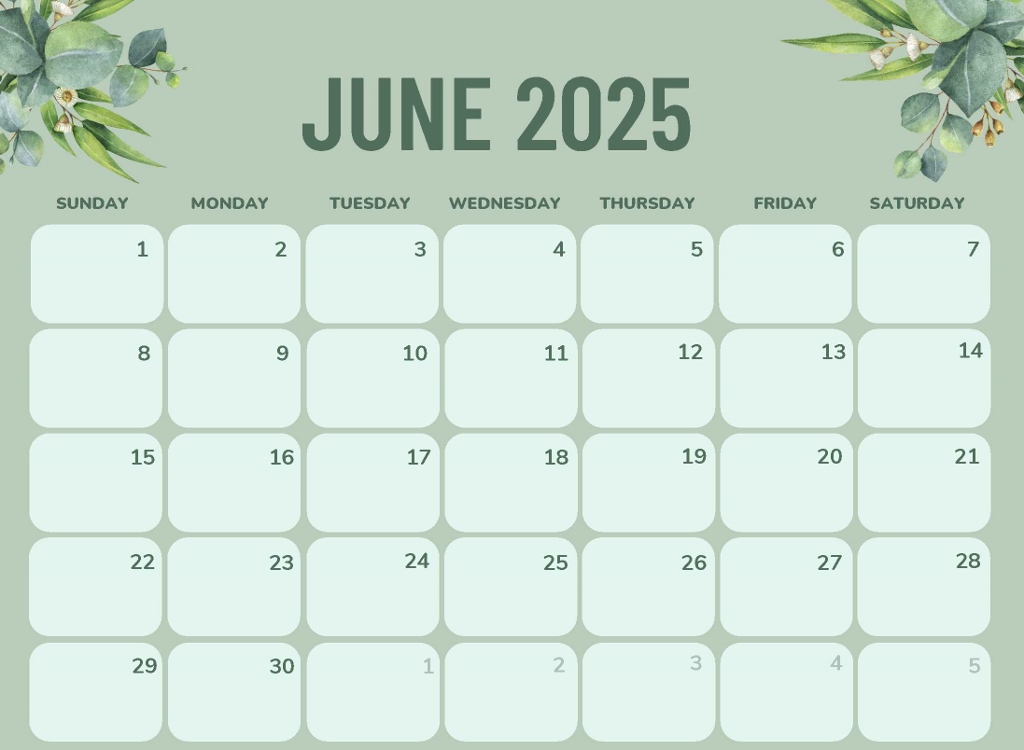
Events in the month of June for writers and readers
Audiobook Appreciation Month
Black Lives Matter Month
Celibacy Awareness Month
Children’s Awareness Month
National Adopt a Cat Month
National Foster a Pet Month
National Men’s Health Month
National Oceans Month
Rainbow Book Month
June 1 – Cancer Survivors Day
June 2 – American Indian Citizenship Day; National Leave the Office Early Day
June 2-8 – National Week of the Ocean
June 3 – Love Conquers All Day
June 4 – Audacity to Hope Day; Hug Your Cat Day; Global Running Day; National Cheese Day
June 5 – World Environment Day
June 7 – World Caring Day
June 8 – Best Friends Day; International Day of Action for Elephants in Zoos; National Children’s Day; Race Unity Day
June 9 – National No Apologies Period Day; National Sex Day
June 11 – Thank You Day; Wear Blue Day
June 12 – Anne Frank’s Birthday; National Red Rose Day; World Day Against Child Labor
June 14 – Monkey Around Day; World Blood Donor Day
June 15 – Father’s Day (U.S.); Nature Photography Day; World Elder Abuse Awareness Day
June 15-21 – National Forgiveness Week (U.S.)
June 16 – International Waterfall Day; World Sea Turtle Day
June 16-22 – Animal Rights Awareness Week (U.S.); Learning Disability Week; Universal Father’s Week
June 17 – World Day to Combat Desertification and Drought
June 18 – National Splurge Day
June 19 – Juneteenth (U.S.); National Watch Day; World Sauntering Day
June 21 – Andean New Year; Indigenous People’s Day (Canada); International Yoga Day; Summer Solstice (Northern Hemisphere); Winter Solstice (Southern Hemisphere); World Giraffe Day; World Humanist Day; World Music Day
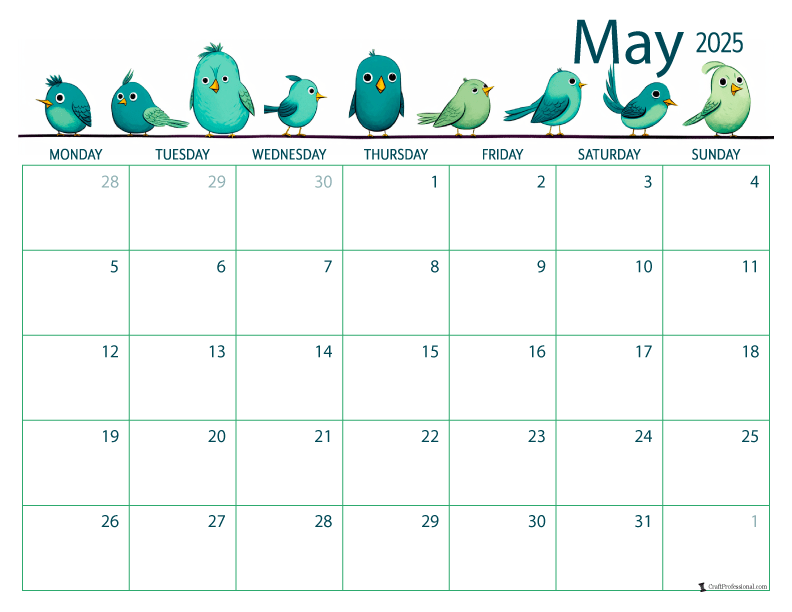
Events in the month of May for writers and readers
American Cheese Month
Arthritis Awareness Month
Asian American and Pacific Islander Month (U.S.)
Be Kind to Animals Month
Better Sleep Month
Get Caught Reading Month
Indian Heritage Month
Jewish American Heritage Month
Labor History Month
Mental Health Awareness Month
Military Appreciation Month
National Allergy and Asthma Awareness Month
National Anxiety Month
National Meditation Month
National Pet Month
Short Story Month
May 1 – Couple Appreciation Day; Global Love Day; May Day; Mother Goose Day; National Loyalty Day; Phone In Sick Day
May 2 – International Harry Potter Day
May 3 – National Space Day; World Press Freedom Day
May 4 – Free Comic Book Day (N. America); Greenery Day (Japan); National Day of Reason (U.S.)
May 4-10 – Red Cross Week
May 5 – Nellie Bly’s Birthday; Cinco de Mayo (México); National Cartoonists Day; National Silence the Shame About Mental Illness) Day; World Laughter Day
May 5-11 – Hurricane Preparedness Week (U.S.); National Pet Week (U.S.)
May 6 – Sigmund Freud’s Birthday
May 6-12 – Children’s Book Week; National Nurses Week (U.S.)
May 7 – Tchaikovsky’s Birthday; Poem on Your Pillow Day
May 8 – Peter Benchley’s Birthday
May 9 – J.M. Barrie’s Birthday; Europe Day; National Children’s Mental Health Awareness Day (U.S.); Peter Pan Day
May 11 – Irving Berlin’s Birthday; Martha Graham’s Birthday; Salvador Dali’s Birthday; Mother’s Day (U.S.)
May 12 – Limerick Day
May 13-19 – Dementia Awareness Week (U.K.)
May 16 – Love a Tree Day
May 19 – Nora Ephron’s Birthday
May 20 – Flower Day
May 22 – Sir Arthur Conan Doyle’s Birthday; Sherlock Holmes Day
May 24 – Take a Road Trip Day
May 25 – Robert Ludlum’s Birthday
May 26 – Memorial Day (U.S.)
May 27 – Dashiell Hammett’s Birthday; Ian Fleming’s Birthday
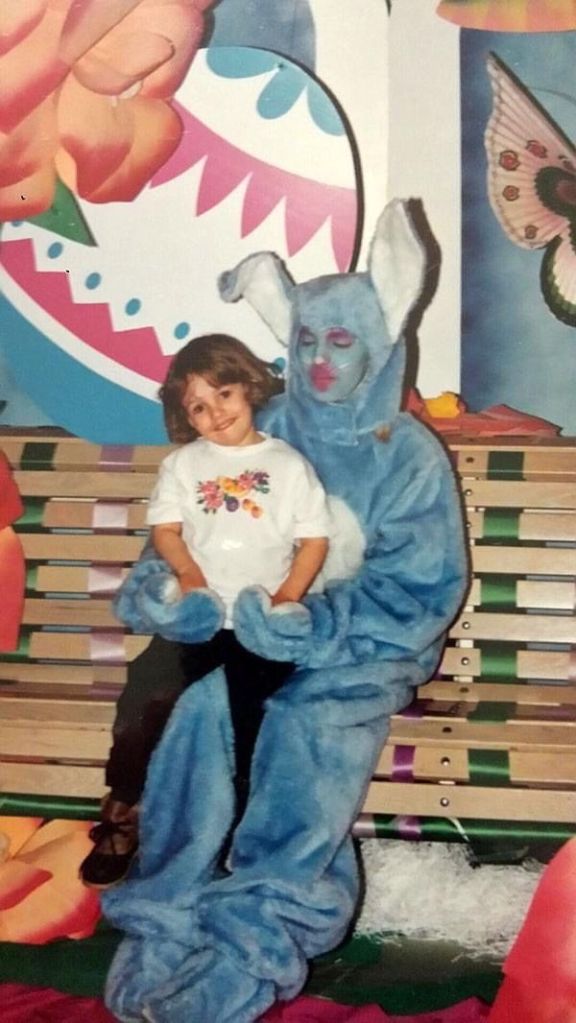
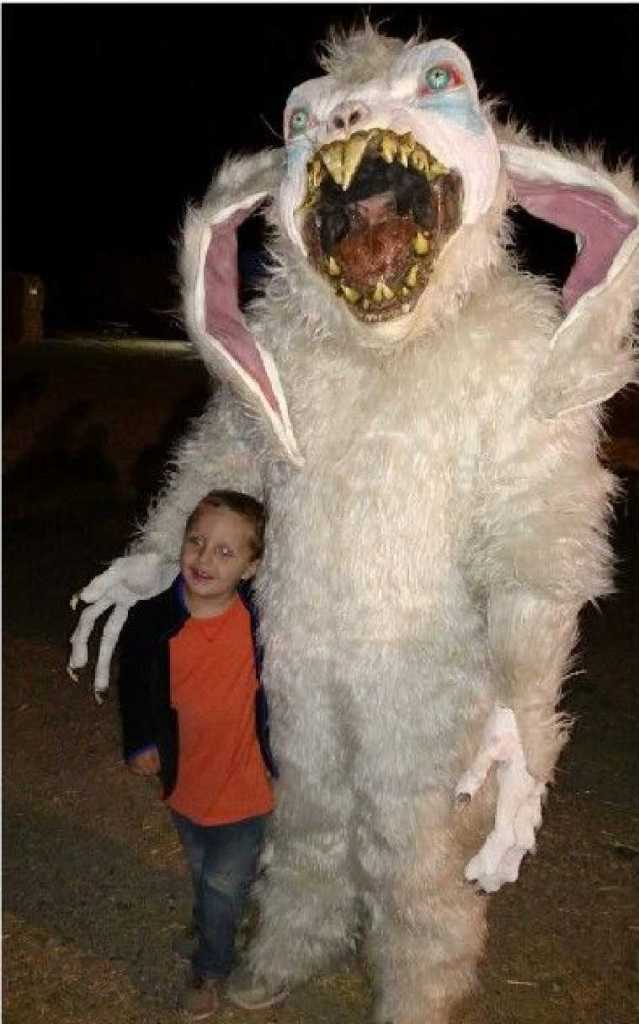
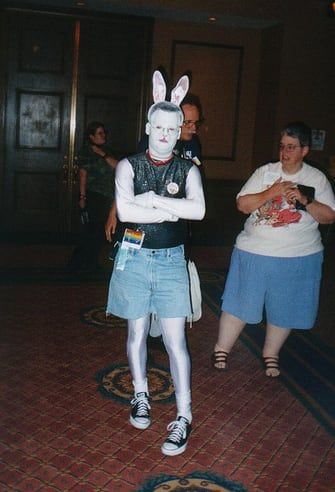
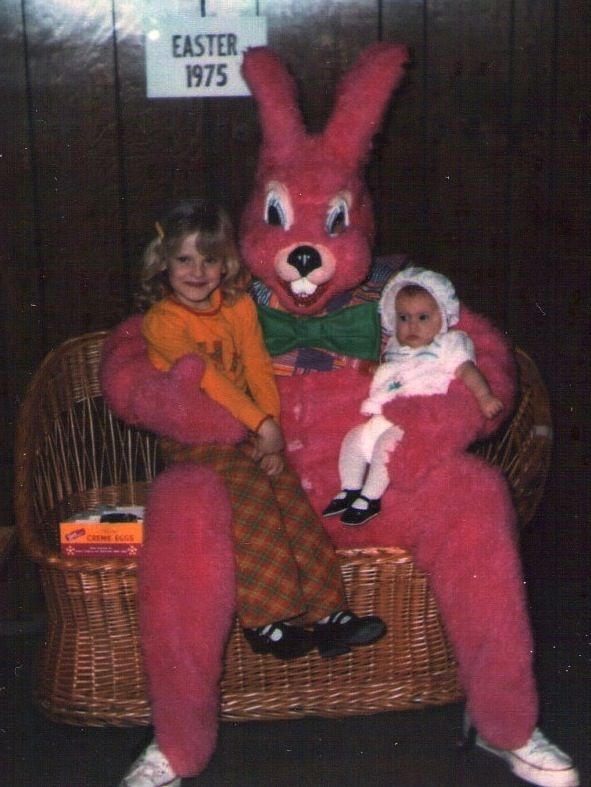
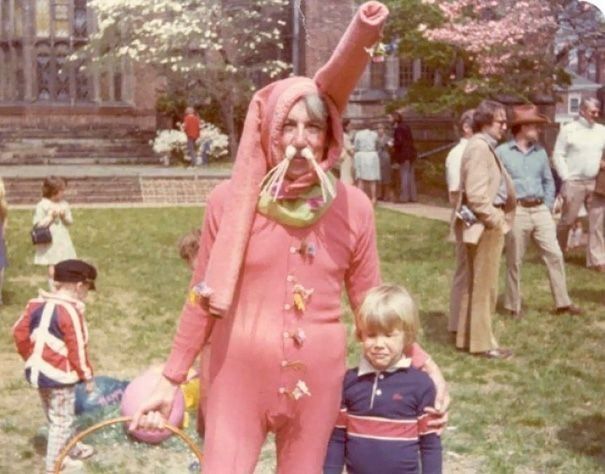
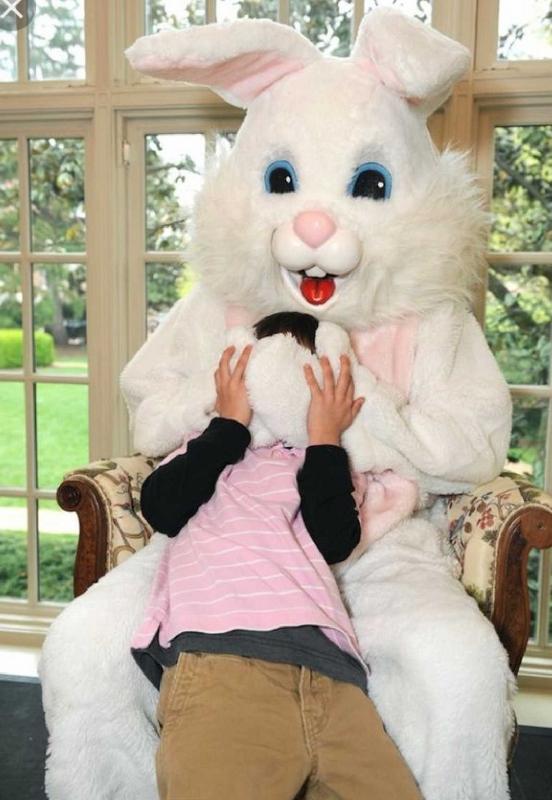
Once again, the Easter bunny – like politicians and rap singers – are proving to be as scary, if not scarier than anything from Halloween. I still can’t figure out who in their right mind would accept a job in a mall dressed as a gigantic rabbit. Then again, I guess they’re not in their right mind in the first place – like politicians and rap singers – and therein lies the conundrum. And would someone please try to explain how Jesus Christ correlates to a chocolate herbivore that can lay eggs!






















 Chief Writing Wolf