“I’m in complete confidence that if I’m exposed to the coronavirus that either I won’t get it, or if I do get it, that, hey, it will be a few days and I’ll be fine afterwards. Because when your immune system is strong – God designed our bodies to fight viruses. And that’s the thing: For me, it’s an attitude and mentality of faith over fear.”
“Mail-in ballots aren’t where the election fraud is happening. It’s happening in the office of our indicted attorney general.”
– Kendall Scudder, a Dallas County businessman who – along with another man – filed a formal complaint against Texas Attorney General Ken Paxton, alleging the latter committed voter fraud in each of the state’s 254 counties by contradicting a judge’s order expanding the availability of mail-in voting during the COVID-19 pandemic.
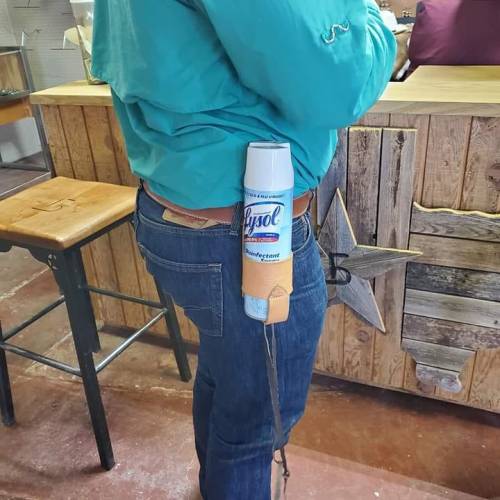
Taking out some pesky ants is always a great inconvenience. But I don’t particularly like the aroma of insecticide wafting through my house, especially my kitchen, so I had to take a more drastic measure.
Gosh…I guess I should have thought of sledgehammer repercussions.
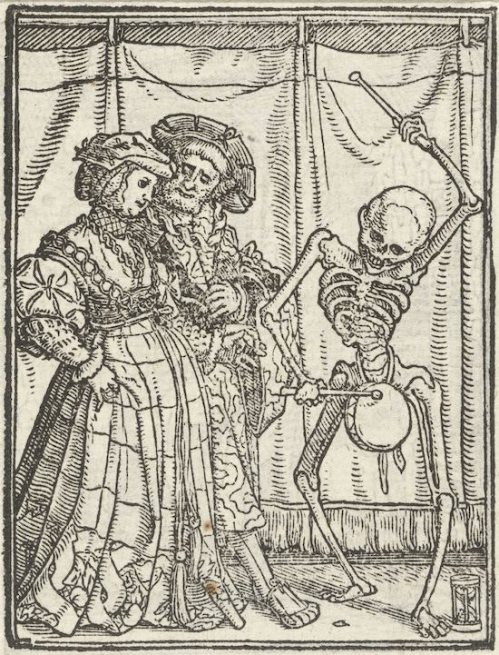
Hans Holbein’s “The Lady,” part of his “Danse Macabre” series, c. 1526
From illness and tragedy, art always seems to bloom to place ourselves and our world into a grand perspective. After the “Black Death” rampaged through Eurasia and North Africa in the 14th century, the “danse macabre”, or dance of death, became an artistic representation of how death is the ultimate equalizer. Beginning in Western Europe and gaining popularity in the Middle Ages, it was a literary or pictorial representation of both living and dead figures – from pope to hermit – leading their lives as normal, before entering a grave.
Recently some pallbearers in Ghana envisioned the dance for contemporary deaths and the ensuing funerals. As many Africans tend to do, they celebrate death as the next stage of life – mournful and often tragic, for certain. Singing and dancing, they honor the deceased for the life they led on Earth and the glorious new life they should have in the next realm.
It’s how I view death. My paternal grandfather said he respected death more than any other aspect of the world because it’s not prejudiced or bigoted. It simply spares no one. I felt some measure of glee when I watch the ending of the 1997 movie “Titanic”, as the ship sank and the plethora of furnishings and luxurious items shattered. Not because I love seeing things destroyed! But because all of the vainglorious possessions of the vessel’s wealthiest patrons could not save them. They may have been rescued because of their wealth, as many of them entered the smattering of lifeboats first. But, whether dead at that moment or dead later, they would never be able to take those items with them.
We all come into this world naked and screaming, clutching nothing but our souls in our hands. We leave with the same.
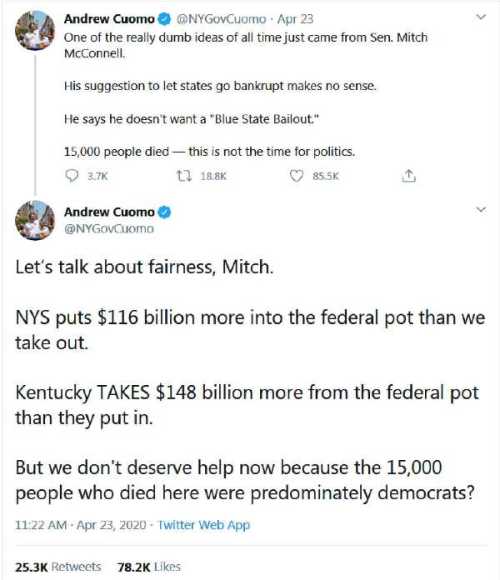
New York Gov. Andrew Cuomo responded to a comment by Sen. Mitch McConnell (R-KY) that individual states file for bankruptcy, due to the financial distress caused by the COVID-19 crisis, than apply for help from the U.S. federal government.
“What I said when I was with you that night is there are more important things than living. And that’s saving this country for my children and my grandchildren and saving this country for all of us. I don’t want to die, nobody wants to die. But man, we’ve got to take some risks and get back in the game and get this country back up and running.”
Patrick is essentially trying to walk back a comment he’d made last month that he’d rather perish from the new coronavirus than see instability in the state’s economic system.
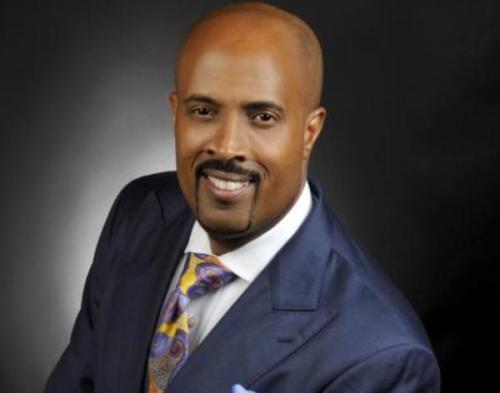
“We live in a country where skin color is hazardous to one’s health and mortality is not determined by one’s genetic code but instead by one’s ZIP code. We appeal to you to channel treatment and resources to those areas in our body politic that have suffered the most from this national infection that has allowed this virus to spread disproportionately.”
Haynes signed a letter calling on the Trump Administration to address the racial and economic inequality that is making non-White communities more vulnerable to the COVID-19 pandemic.





 Chief Writing Wolf